


 English
 中文简体
 русский
 Español
 عربى

High Voltage Underground Cable: Design, Selection, and Installation Guide
Content
- 1 What Counts as a High Voltage Underground Cable?
- 2 Why Choose Underground for High Voltage Circuits?
- 3 Voltage Classes and Typical Applications
- 4 Construction Details That Affect Underground Life
- 5 Installation and Protection Guidelines
- 6 Testing and Quality Assurance
- 7 Selecting the Right Cable and Supplier
Every underground feeder project seems to start with the same dilemma: how to fit a circuit with enough capacity into a route that was never designed for a cable trench. A 33 kV or 35 kV high voltage underground cable can solve that problem, but only when the conductor size, insulation, sheath, and installation method are selected as one system rather than as separate components. This guide explains what makes an underground high voltage cable different from an overhead line, how voltage classes and insulation affect performance, and what to check during specification and installation.
What Counts as a High Voltage Underground Cable?
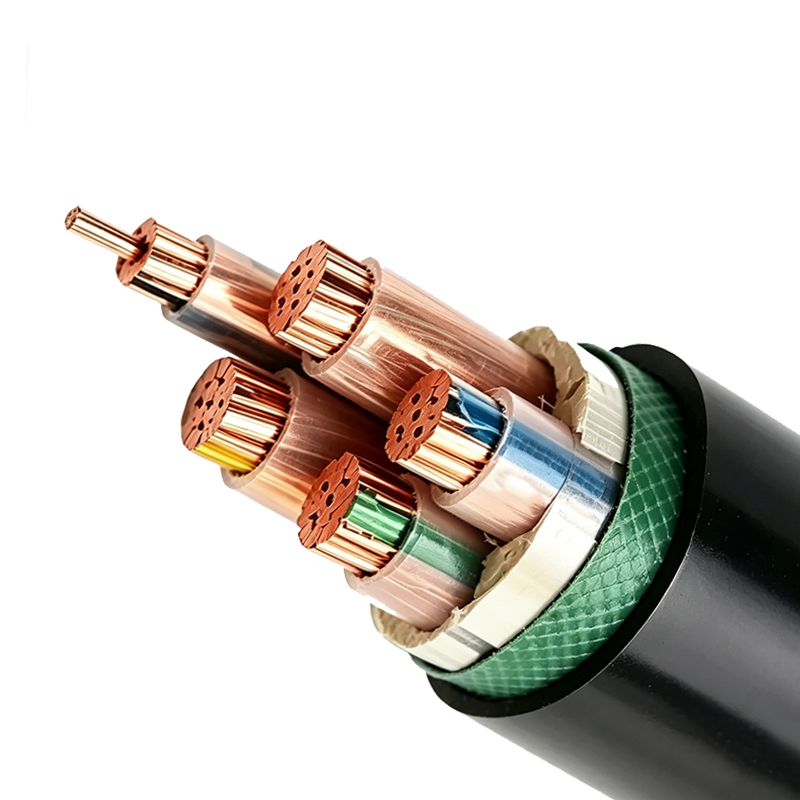
High voltage underground cable is a factory-assembled cable that operates at a phase-to-phase voltage above 1 kV and is intended for below-ground installation. In many utility specifications, the same term covers cables from 6 kV to 35 kV because they share the same XLPE insulation technology and similar accessory systems. The cable is not a single conductor; it is a layered structure that includes a stranded copper or aluminum conductor, a conductor screen, cross-linked polyethylene insulation, an insulation screen, a metallic screen, and an outer sheath.
Each layer performs a distinct function. The semiconductive screens even out the electric field and suppress partial discharges. The metallic screen carries capacitive and fault currents and provides shielding. The outer sheath keeps moisture and mechanical damage away from the insulation. For a sub-transmission feeder, XLPE is the dominant insulation because it can sustain continuous conductor temperatures of 90 °C and short-circuit temperatures up to 250 °C.
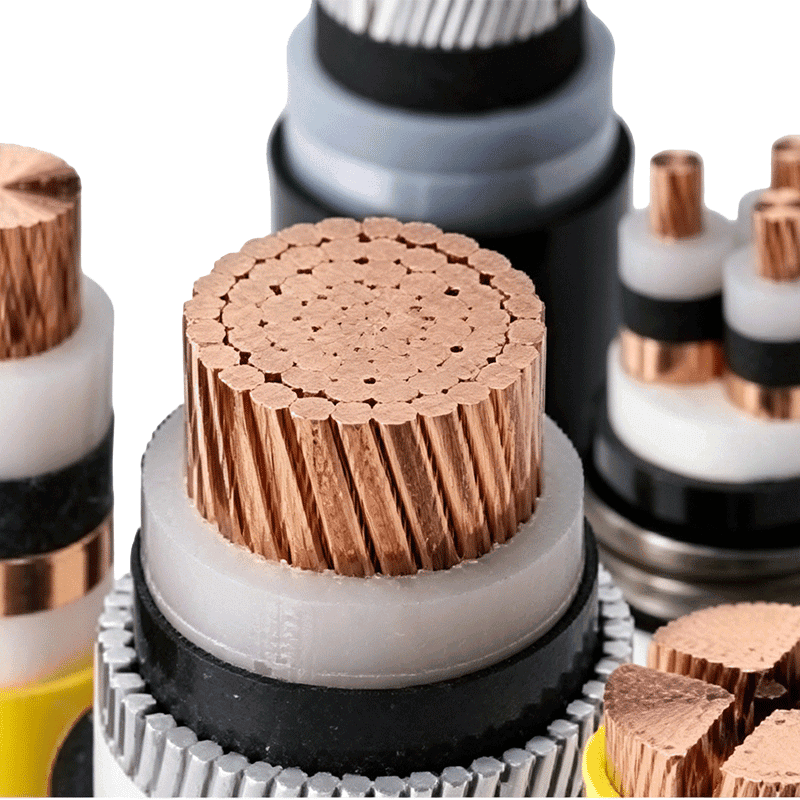 3.6/6kV to 26/35kV XLPE Insulated Power CableThis medium-voltage XLPE cable suits underground feeders where resilience to moisture, heat, and mechanical stress is critical. Its cross-linked insulation supports continuous operation at 90°C and is widely used in urban grids and industrial power distribution.View Product →
Why Choose Underground for High Voltage Circuits?
Underground installation is chosen when right-of-way is scarce, when overhead lines are not acceptable visually or environmentally, or when the route passes under roads, rivers, buildings, or airport corridors. Once buried, the cable is largely protected from lightning, wind, ice, and conductor galloping. That translates into fewer weather-related outages than overhead lines.
Underground circuits do have trade-offs. They are more expensive to build, harder to locate after a fault, and slower to repair. Heat dissipation is also limited by the soil and backfill. A cable that would carry 600 A in free air might be limited to 450 A when buried in dry soil without a special thermal bedding. Therefore, the real ampacity of a high voltage underground cable is decided by the installation environment, not by the conductor size alone.
Voltage Classes and Typical Applications
Voltage selection is the first step in a cable specification. For underground distribution networks, common rated voltages are 6/1 kV, 12/20 kV, 18/30 kV, and 26/35 kV. The table below summarizes typical roles.
| Rated voltage U0/U | Typical underground application |
|---|---|
| 1.8/3 kV | Industrial feeders, auxiliary power systems |
| 6/1 kV | Secondary distribution, commercial buildings |
| 12/20 kV | Urban distribution networks |
| 18/30 kV | Large industrial plant supply |
| 26/35 kV | Sub-transmission, high-density city networks |
In practical terms, a 6/1 kV cable might supply a large industrial building, while a 26/35 kV cable might deliver power to a busy city substation from a bulk supply point. For project engineers, matching the cable rated voltage to the system earth fault conditions is essential. The U0 value, the voltage between conductor and screen, must cover the maximum duration of a single line-to-earth fault.
 0.6/1kV XLPE Insulated Power Cable for DistributionThis low-voltage XLPE cable is ideal for building supply, industrial plants, and direct burial. It offers higher current capacity and better mechanical performance than PVC-insulated alternatives, making it a practical choice for modern distribution networks.View Product →
Construction Details That Affect Underground Life
Once a voltage level is selected, the physical design of the cable starts to matter. For underground duty, four construction details deserve attention:
- Compact stranded conductor – reduces outer diameter and allows a tighter bend radius.
- Triple-extruded XLPE insulation – applied together with the conductor and insulation screens on the same extrusion line, minimizing contamination and voids.
- Metallic screen design – a copper wire screen is easier to terminate and has better short-circuit withstand than thin copper tape.
- Outer sheath material – PE is tough and moisture-resistant; PVC offers flame retardant behavior; special anti-termite and anti-rodent compounds are required in rural or tropical areas where biological attack is a risk.
Water ingress is one of the most common causes of underground cable failure. Moisture combined with electrical stress creates water trees in XLPE, which can grow over years and eventually cause breakdown. That is why many utilities require a radial water barrier or at least a water-blocked sheath for direct-buried circuits.
 Termite and Rodent Resistant Power CableThis cable is engineered with eco-friendly sheath materials to resist biological damage from termites and rodents, ensuring long-term reliability in harsh underground or overhead environments. Choose from termite-resistant, rodent-resistant, or combined protection.View Product →
Installation and Protection Guidelines
Even a well-built high voltage underground cable can fail quickly if it is installed poorly. The most reliable installations follow a few basic practices:
- Lay the cable in a stable trench with a smooth, screened bottom.
- Use bedding material with low thermal resistivity, such as sand or lean concrete.
- Maintain the required minimum bending radius at pulling eyes and joints.
- Limit pulling tension using a proper pulling grip and cable rollers.
- Cover the circuit with protective tiles, warning tape, or both.
- Record the exact route and depth for future excavation.
Such measures limit mechanical stress, improve heat dissipation, and reduce the chance of damage by third-party excavation, which remains the leading cause of underground cable faults in many networks.
Testing and Quality Assurance
Testing starts at the factory and continues until the cable is energized. For high voltage underground cables with XLPE insulation, the range of tests includes routine tests on every production length, sample tests on a small percentage of the order, and type tests that prove the design. Partial discharge measurement is especially important because even tiny voids in the insulation can initiate breakdown during operation.
After installation, a VLF or DC withstand test may be required. VLF testing is preferred for modern XLPE cables because it stresses the insulation in a way closer to service conditions without damaging a sound cable. Site tests often extend to the joints and terminations, since these accessories are common weak points.
Owners and contractors should demand documented test results and check that the cable manufacturer holds the relevant certification. Third-party product certification and system certification such as ISO 9001 are a useful baseline for evaluating suppliers.
Selecting the Right Cable and Supplier
Choosing a high voltage underground cable is a risk management exercise. The first step is to collect the system parameters: nominal voltage, fault level, expected load, ambient soil temperature, thermal resistivity, and route length. Then compare conductor material options: copper increases ampacity for the same diameter but adds cost; aluminum is lighter and lower cost but needs a larger cross-section for the same ampacity.
Other factors include the sheath material, the presence of water-blocking layers, the cable packaging and drum length, and the manufacturer's ability to deliver long continuous lengths to minimize joints. A cable with one fewer joint can reduce installation time and future failure points. You also want to confirm that the supplier can provide a complete traceability file: material certificates, routine test reports, and installation instructions.
The purchase decision should be based on lifecycle cost and technical performance, not only the initial price. For more detail on the electrical and mechanical trade-offs, this concise guide to power cable selection covers the main points.
Reliable high voltage underground cable circuits are not created by a single smart component; they come from the interaction of a clean cable design, high-quality manufacturing, correct voltage class, and controlled installation. Start with the system voltage and load, then choose the insulation and sheath for the route, and finish with tests and documentation that prove the cable is ready for service. By balancing all of those factors, network owners can make underground feeders that operate safely for decades.
-
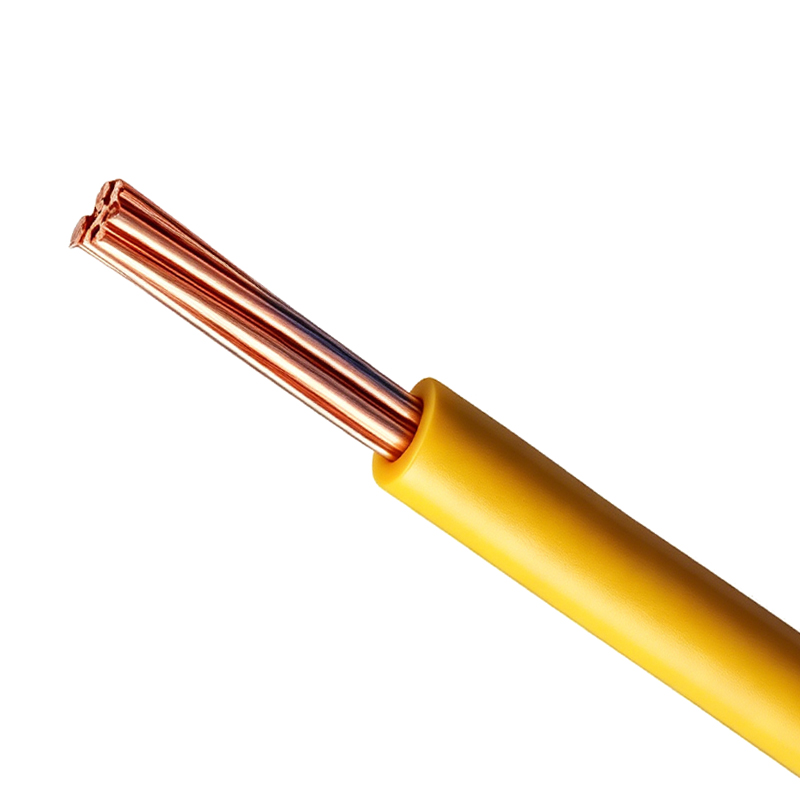
PVC Insulated Cable and Wire (Rated Voltage 450/750V and below)
-
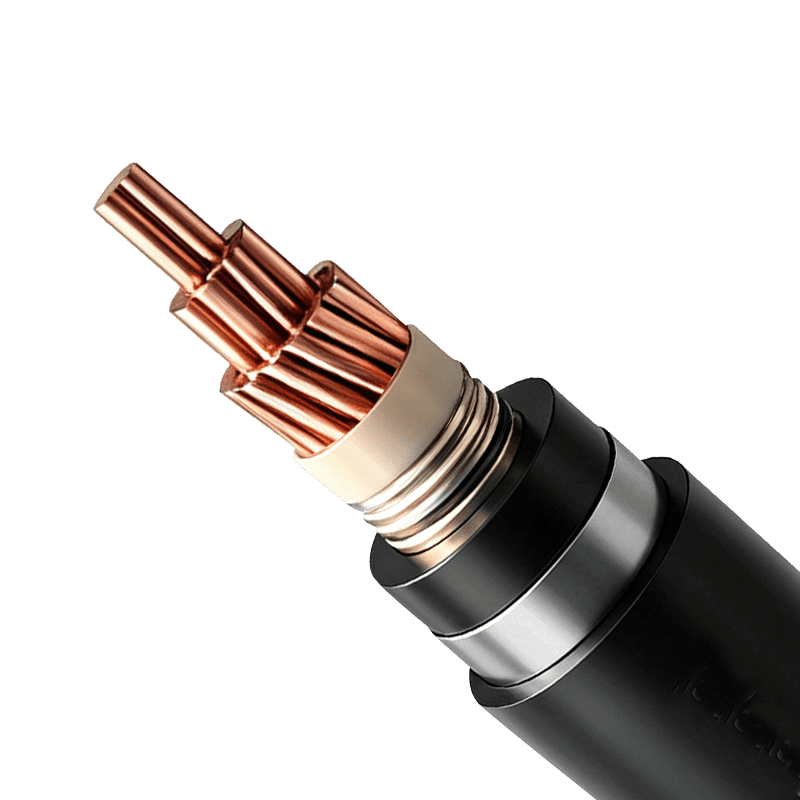
Power Cable for Subway and Urban Rail Transit (Rated Voltage 35kV)
-
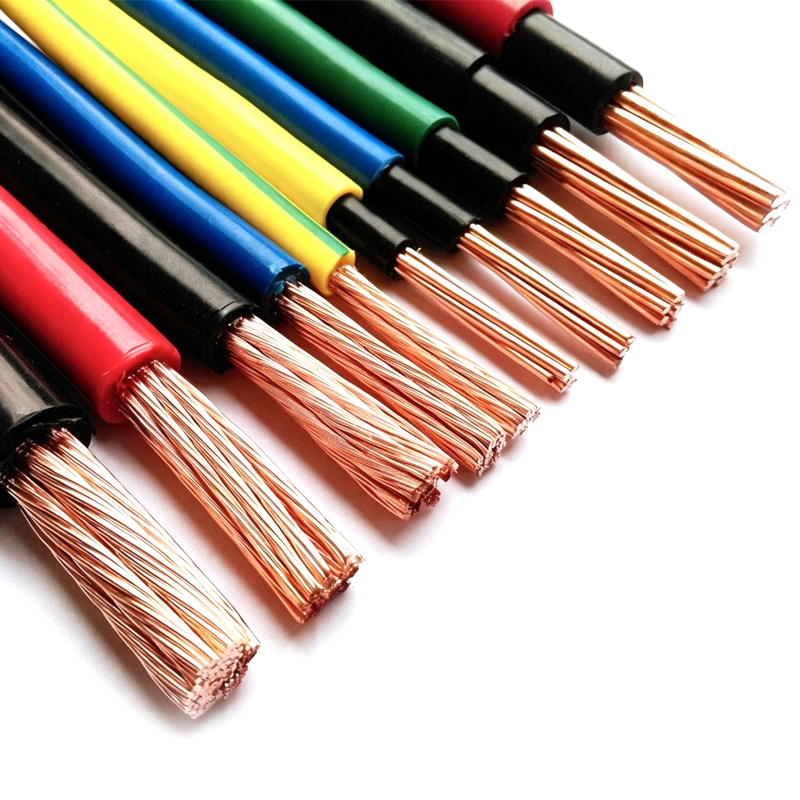
Cross-linked Polyolefin (XLPO) Insulated Wire and Cable (Rated Voltage 450/750V and below)
-
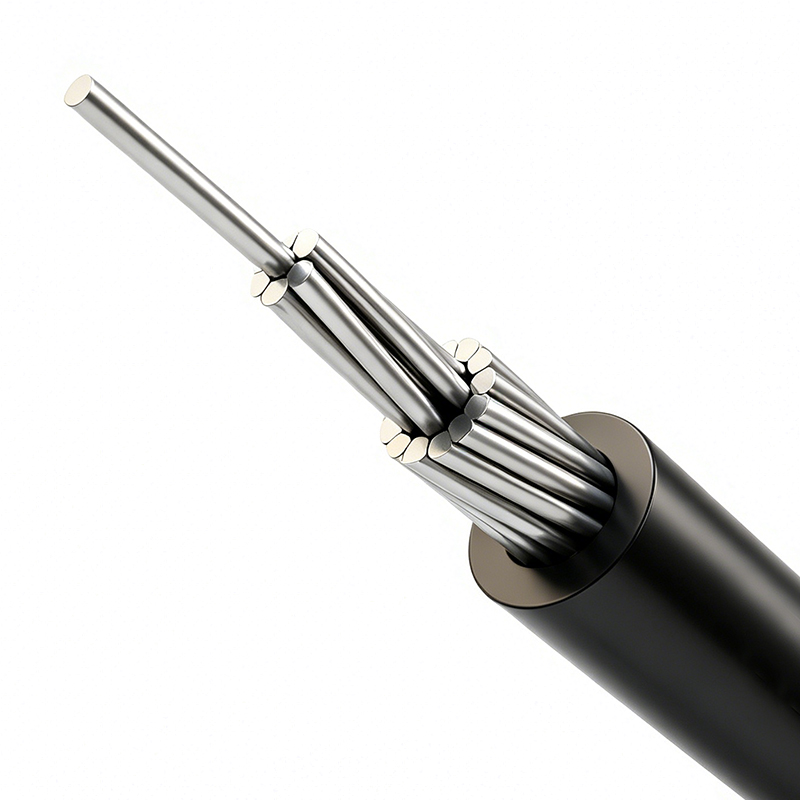
Aerial Insulated Cable (Rated Voltage 1kV, 10kV, 20kV, 35kV)
-
Termite and Rodent Resistant Cable

Copyright © Wuxi Guanghuan Cable Co., Ltd. All Rights Reserved. Power Cables Manufacturer Electrical Wire And Cable Factory

