


 English
 中文简体
中文简体 русский
 Español
 عربى
عربى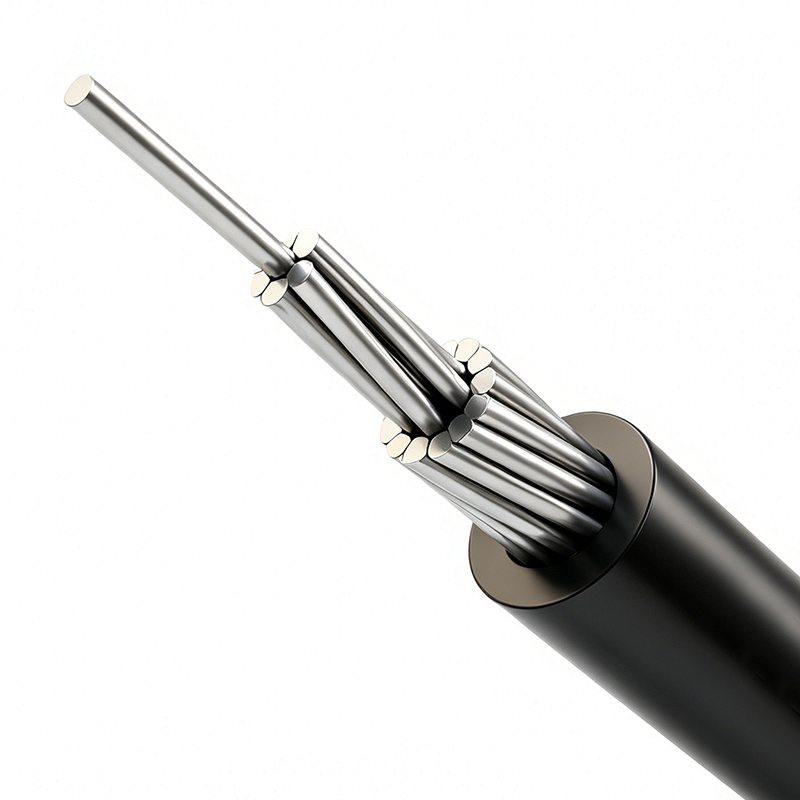
Product Overview
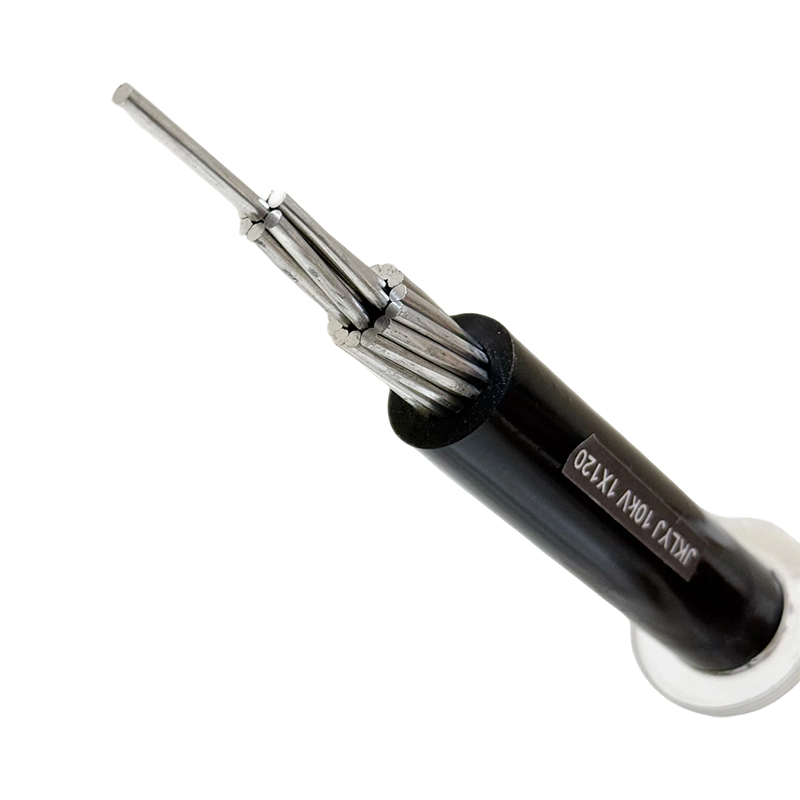
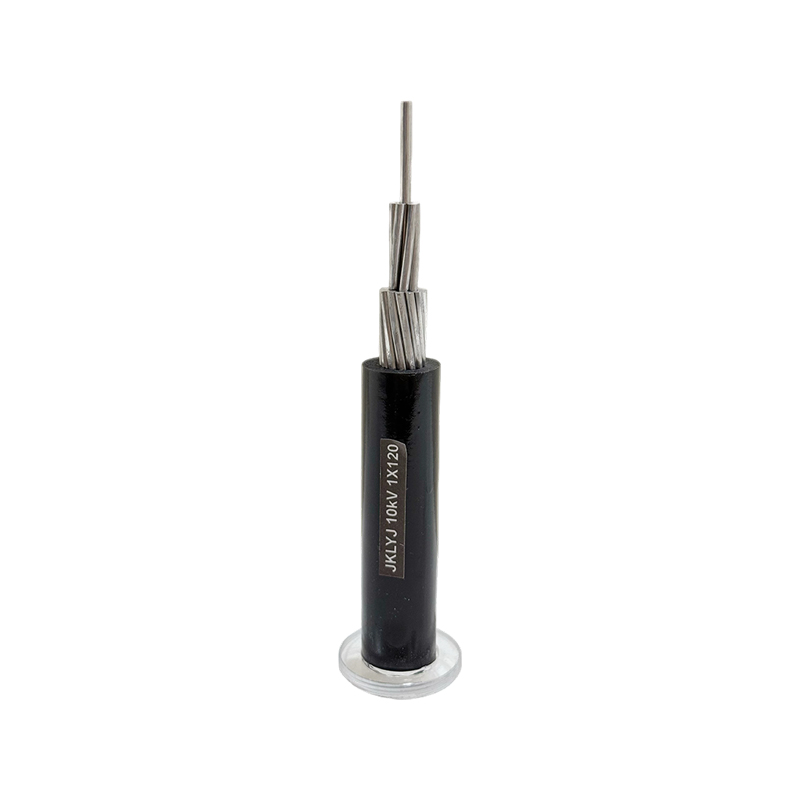
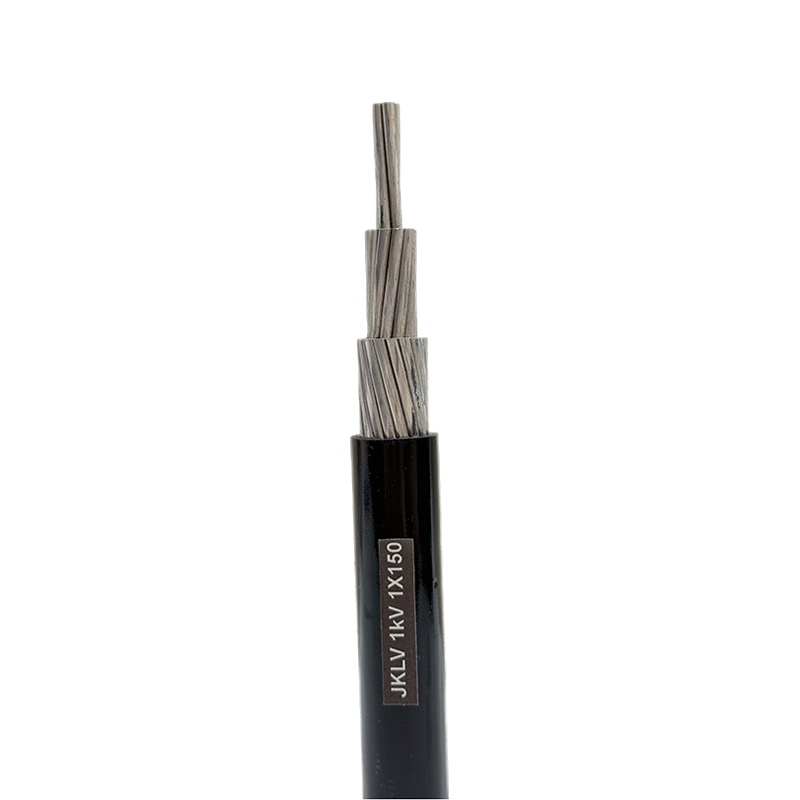
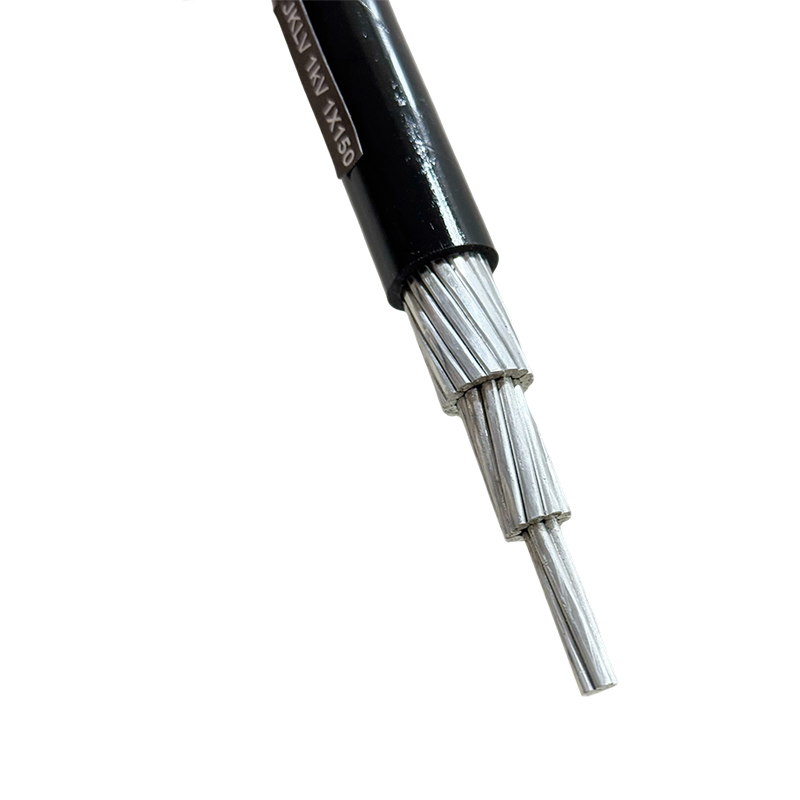
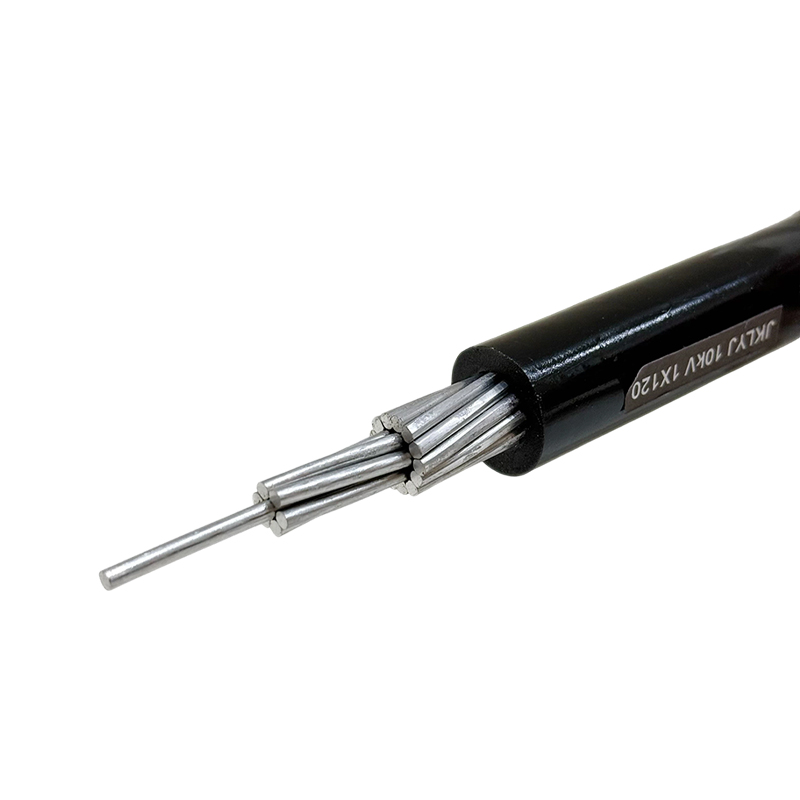
Aerial insulated cables represent a modern power distribution solution, serving as a critical bridge between bare overhead conductors and underground power cables. This series covers a broad range of voltage levels, from 1kV low voltage up to 35kV medium-to-high voltage. By encasing conductors in high-performance insulation layers, these cables significantly enhance the reliability and safety of power supply lines. They are specifically engineered for areas with restricted construction space, forest and green belt protection zones, and densely populated urban environments where electrical safety is paramount.

Aerial Insulated Cable (Rated Voltage 1kV, 10kV, 20kV, 35kV)
 Contact Us
-
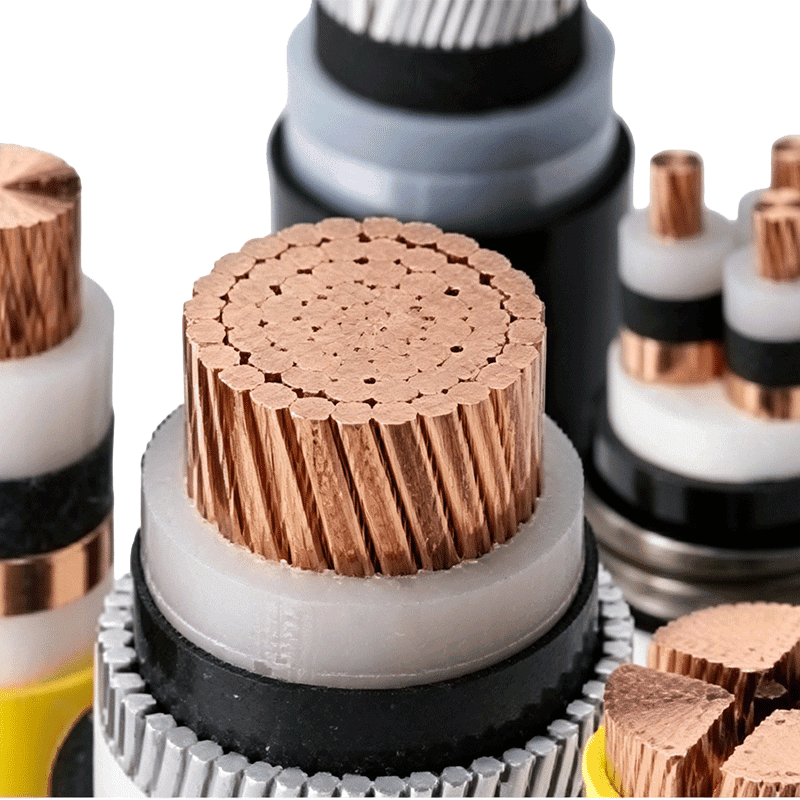
Rated Voltage 3.6/6kV–26/35kV XLPE Insulated Power Cable
-
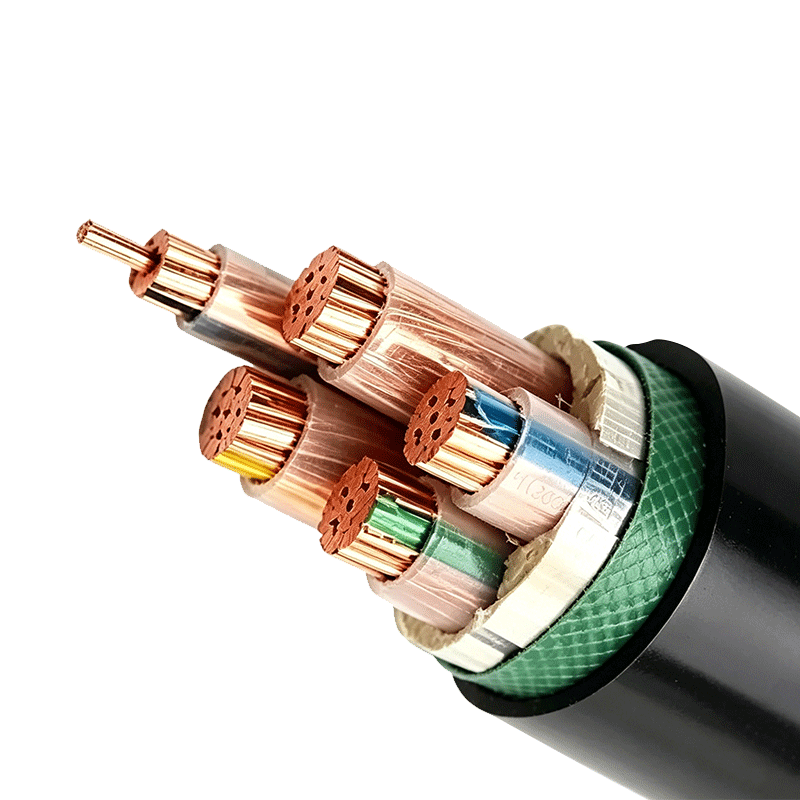
Rated Voltage 0.6/1kV XLPE Insulated Power Cable
-
Rated Voltage 0.6/1kV PVC Insulated Power Cable
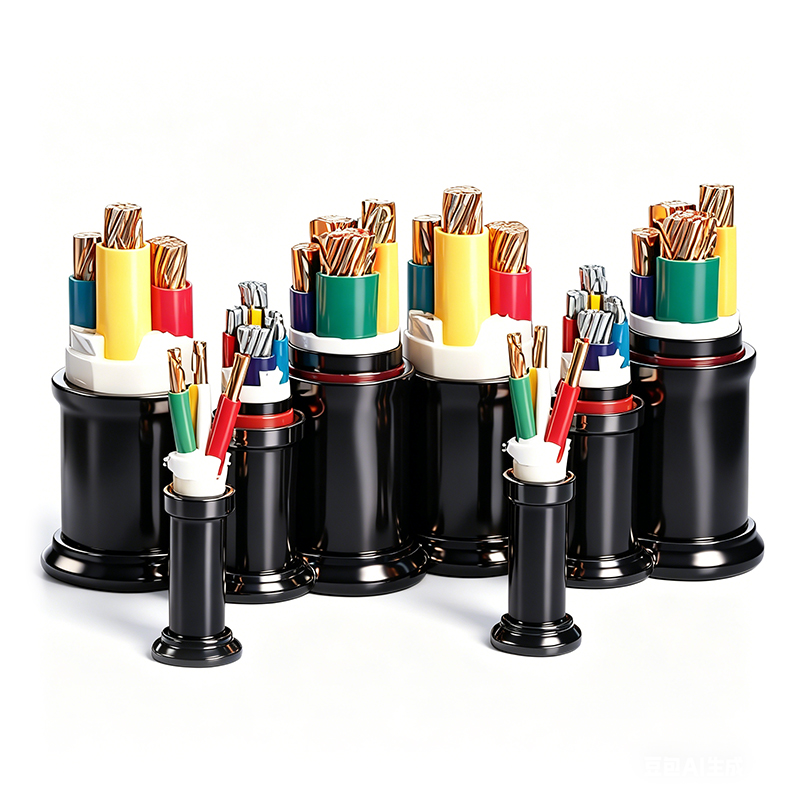
-
Rated Voltage 1.8/3kV XLPE Insulated Power Cable
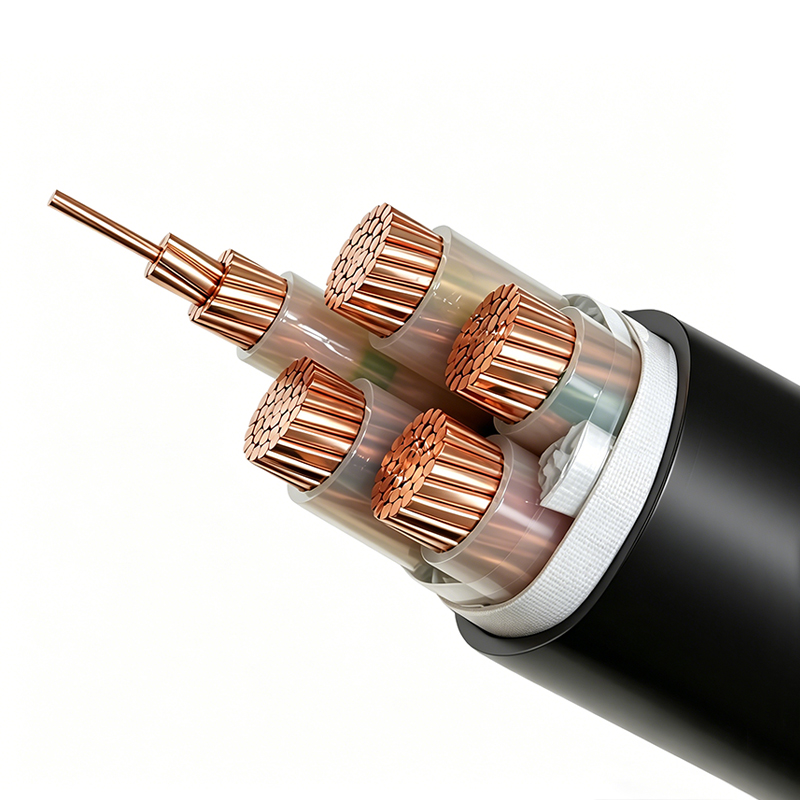
-
Rated Voltage 1.8/3kV PVC Insulated Power Cable
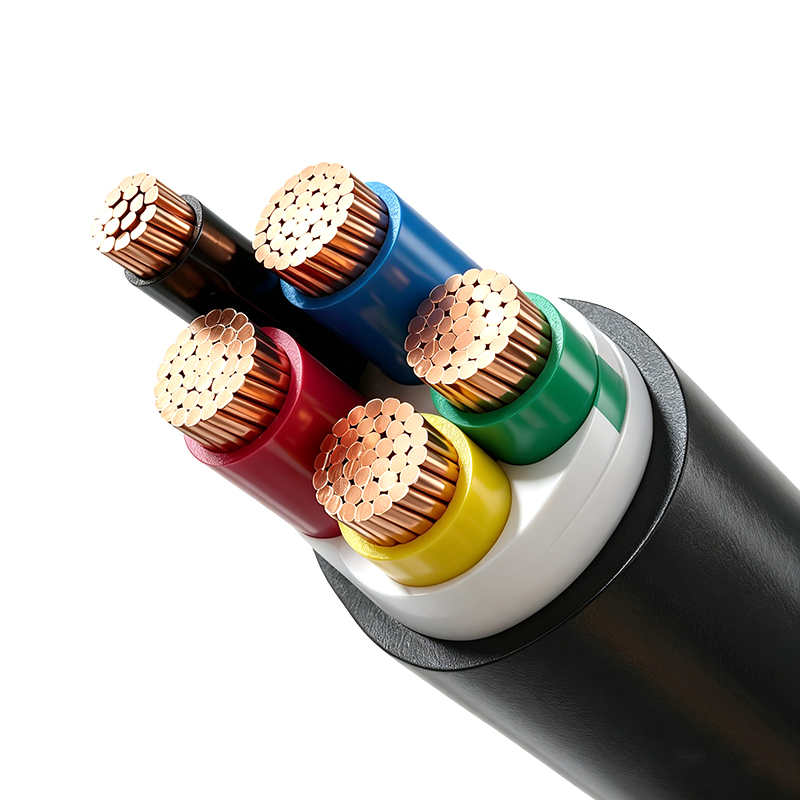
-
Aluminum Alloy Conductor Plastic Insulated Power Cable (Rated Voltage up to 26/35kV)
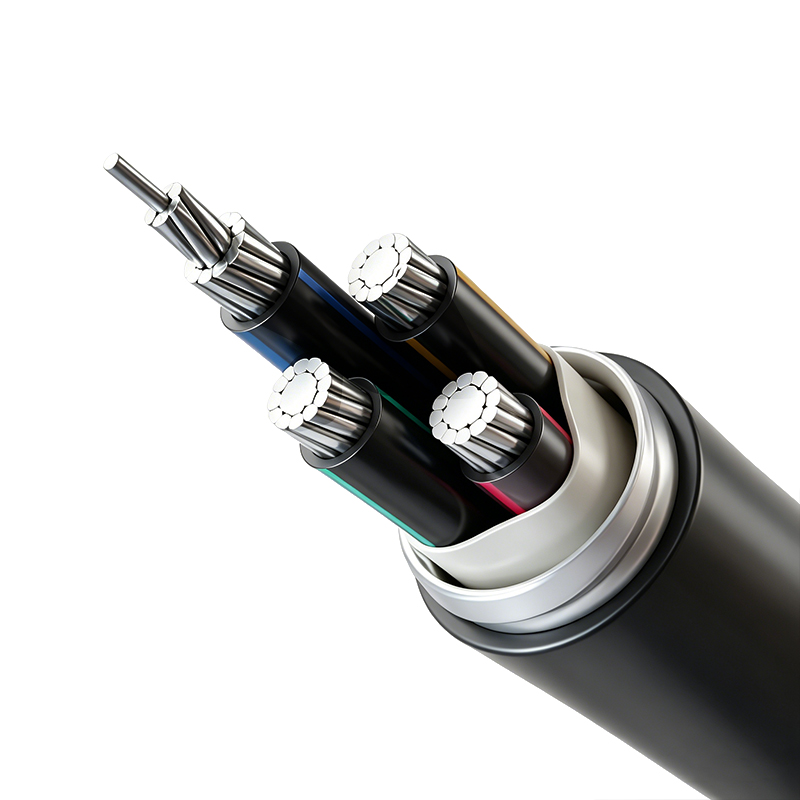
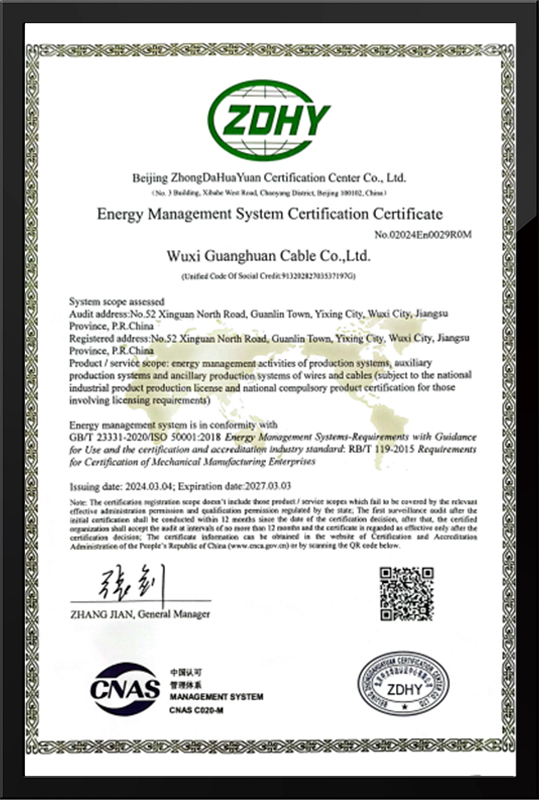
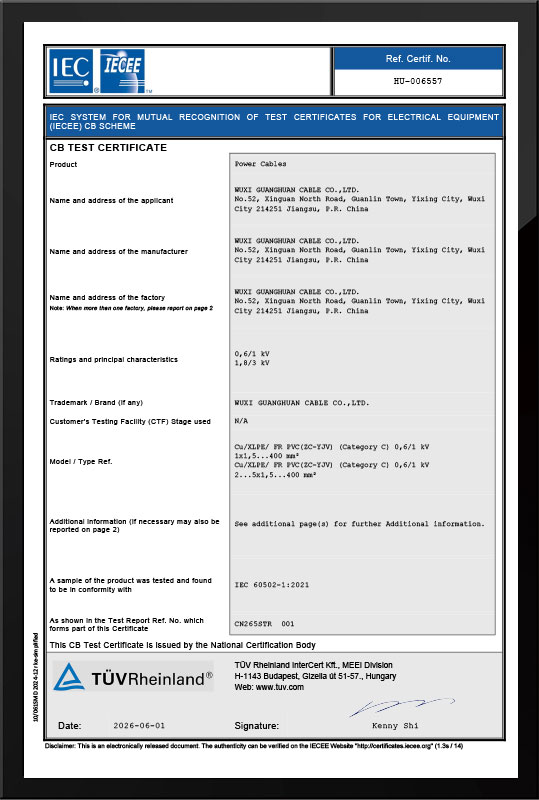
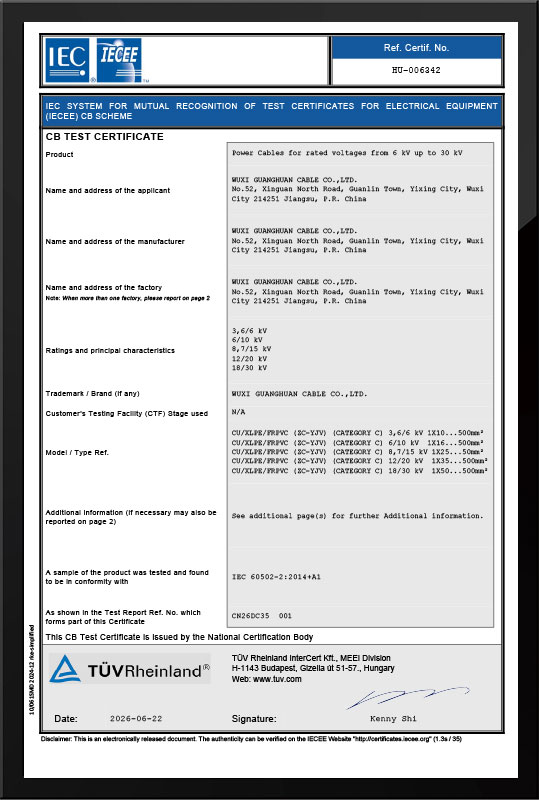
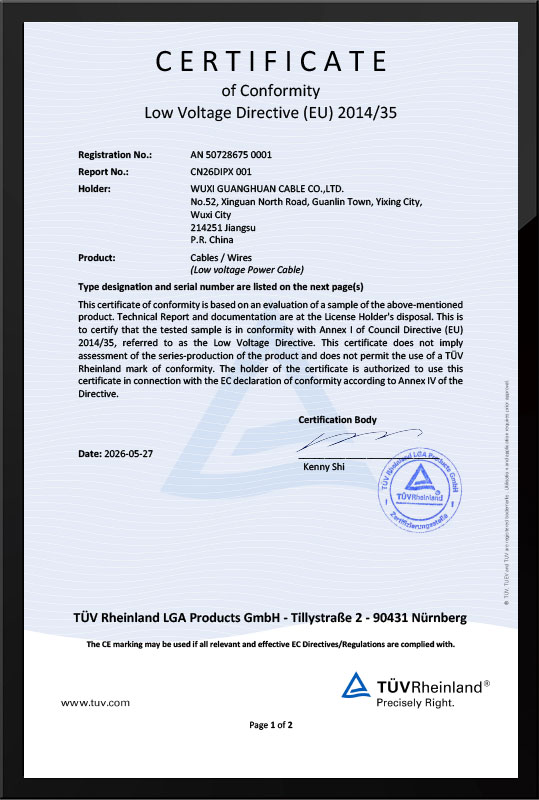
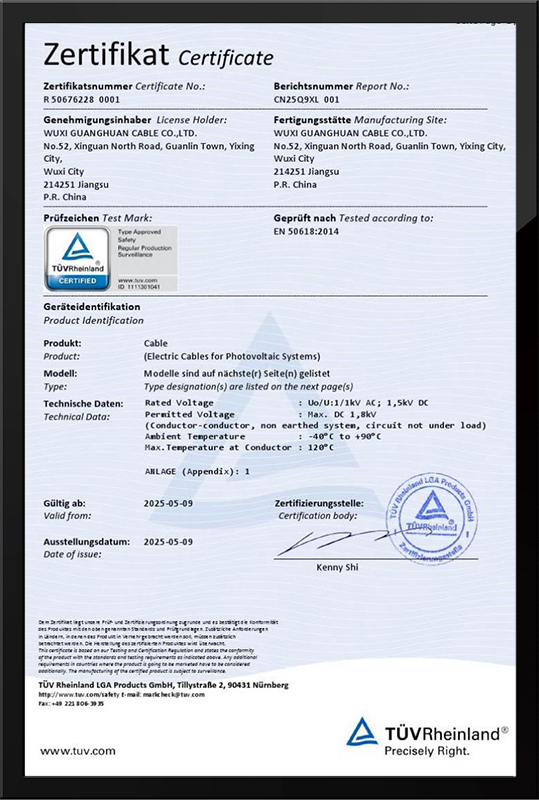
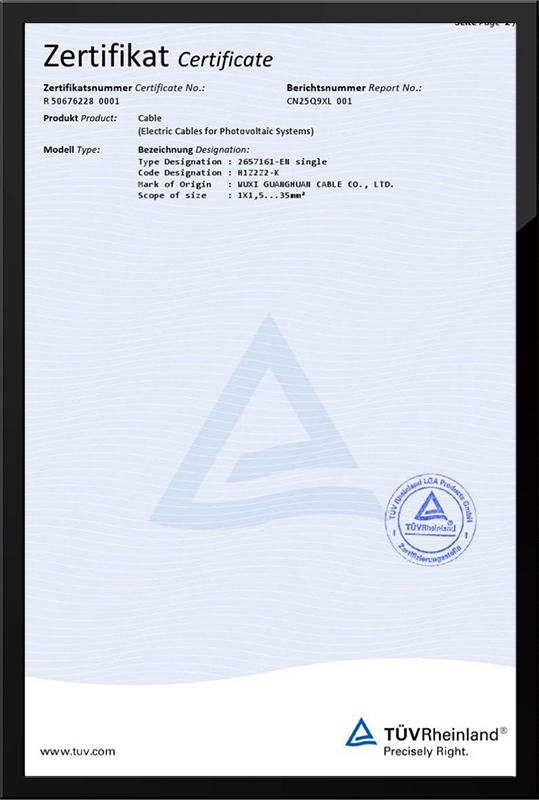
CERTIFICATE DISPLAY
NEWS & INSIGHTS
View All News
-
Industry News
-
Industry News
-
Industry News
-
Industry News

Wuxi Guanghuan Cable Co., Ltd. specializes in power cables,
electrical equipment cables, wires, etc.
Quick Links
About Us
Copyright © Wuxi Guanghuan Cable Co., Ltd. All Rights Reserved. Custom Aerial Insulated Cable (Rated Voltage 1kV, 10kV, 20kV, 35kV)

