


 English
 中文简体
 русский
 Español
 عربى

Industrial Automation Cables: A Practical Guide to Types, Selection & Quality
Content
From robotic assembly cells to high-speed packaging lines, modern manufacturing depends on a network of cables that carry power, control signals, and data between machines. Industrial automation cables are the quiet workhorses behind automated production, and choosing the right ones has a direct effect on uptime, safety, and product quality. As a cable manufacturer with more than two decades of production experience, we have seen how a well-specified cable can keep a line running for years without trouble. This guide walks through the main types of automation cables, what to look for when selecting them, and why quality assurance matters. For more context on our manufacturing background, you can review our company profile.
What Are Industrial Automation Cables?
Industrial automation cables are electrical cables designed specifically for use in automated machinery and industrial control systems. They differ from standard building wires because they must carry not only power but also sensitive control and measurement signals in environments filled with electrical noise, mechanical vibration, and chemical exposure.
These cables can be grouped by the function they perform:
- Control cables, which connect push buttons, relays, contactors, and PLC I/O points to the devices they operate.
- Instrumentation and signal cables, which carry measurement signals from sensors, encoders, and transmitters.
- Variable frequency drive cables, which connect a VFD to a motor and must handle distorted voltage waveforms.
- Communication cables, which link controllers, fieldbus devices, and industrial networks.
In many factories, all of these cable types run side by side inside the same cable tray or duct. That is why proper construction, shielding, and insulation are not optional details; they are what keep the whole system stable.
Why Does Cable Selection Matter in Automated Production?
An automated line is only as reliable as its weakest component, and cables are often the component most likely to be underestimated.
It is not hard to understand why. A cable failure deep inside a machine can require lengthy disassembly, cause expensive downtime, and even damage drives or controllers. In continuous-process industries such as metal rolling, food processing, or automotive assembly, one unplanned stop can cost far more than the cable itself.
Industrial environments also introduce stresses that standard cables were never designed for. Electromagnetic interference from large motors and frequency converters can corrupt signal transmission. Constant movement in robot arms and linear axes can break conductors. Oil, coolant, and humidity attack insulation and jacket materials. A cable that works perfectly in a static office environment may fail within weeks on a shop floor.
At our plant in Yixing, Jiangsu, located in what is widely called China’s Cable City, we manufacture cables specifically for these demanding conditions. It is not only about the copper or aluminum conductor, but about how the cable is stranded, insulated, shielded, and jacketed as an integrated system.
Common Types of Cables Used in Industrial Automation
Understanding the differences between cable types makes it easier to build a reliable system. The table below summarizes the most widely used automation cable families and their typical applications.
| Cable Family | Primary Function | Key Characteristics |
|---|---|---|
| Control cables | Connecting control circuits, relays, and PLC outputs | Stranded conductors, PVC or XLPE insulation, optional shielding |
| Computer and instrument cables | Transmitting measurement and analog/digital signals | Twisted pairs, copper braid or foil shield, low capacitance |
| Variable frequency drive cables | Connecting VFDs to AC motors | Symmetric construction, screened layers, thicker insulation |
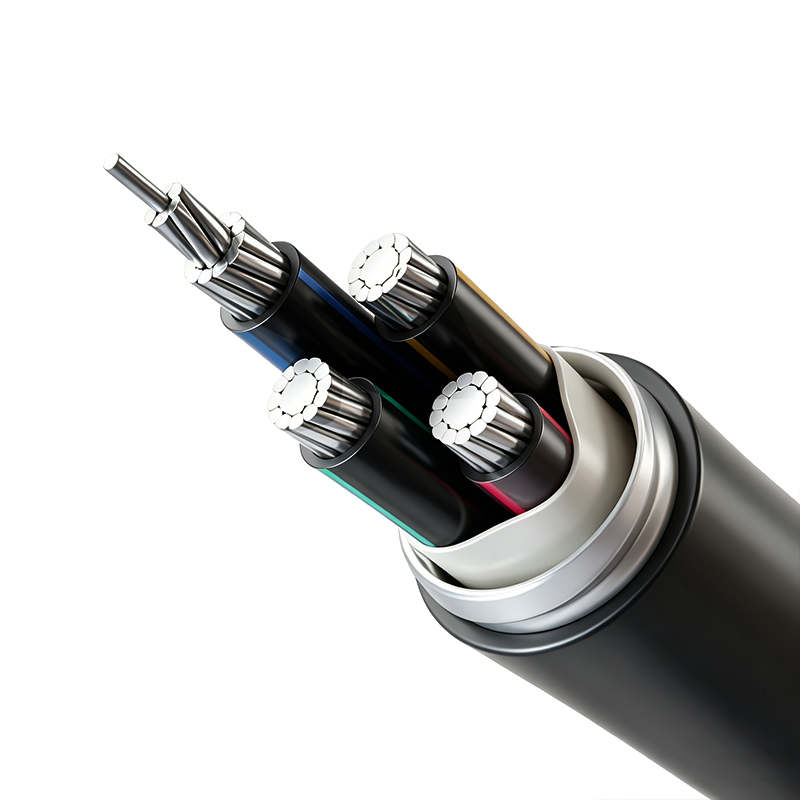
| Power distribution cables | Supplying power to cabinets and machinery | XLPE or PVC insulation, copper or aluminum conductors |
| Flexible automation cables | Moving applications with continuous bending | Fine stranding, special jacket compounds, high flex life |
Let us look at the three families that appear most often in automation projects and that we produce in our own plant.
Control Cables
Control cables are the standard choice for connecting control devices such as relays, contactors, push buttons, and auxiliary circuits. Our plastic insulated control cable line is built with stranded copper conductors and PVC insulation, with voltage ratings suitable for typical control panels and motor control centers. When you need a proven cable for general-purpose control wiring, this product family is usually the answer.
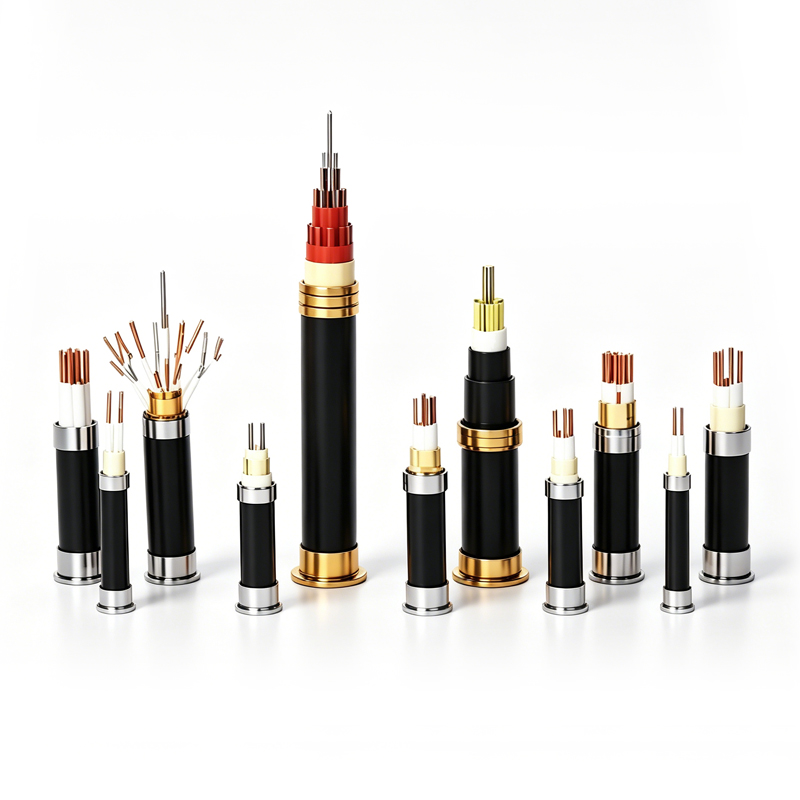 Plastic Insulated Control Cable for General-Purpose Control WiringThis cable family suits control panels, motor control centers, and auxiliary circuits. Its PVC insulation and stranded copper conductors provide reliable signal transmission in automated equipment monitoring and control systems.View Product →
Computer and Instrumentation Cables
Sensors and instruments generate the data that automation systems rely on. But those signals are often small, and in a noisy industrial environment they can be easily corrupted. Computer and instrument shielded cables use twisted-pair construction and an overall shield to reject electromagnetic interference. They are used in applications such as weighing systems, temperature measurement, and communication links between control panels and field instruments.
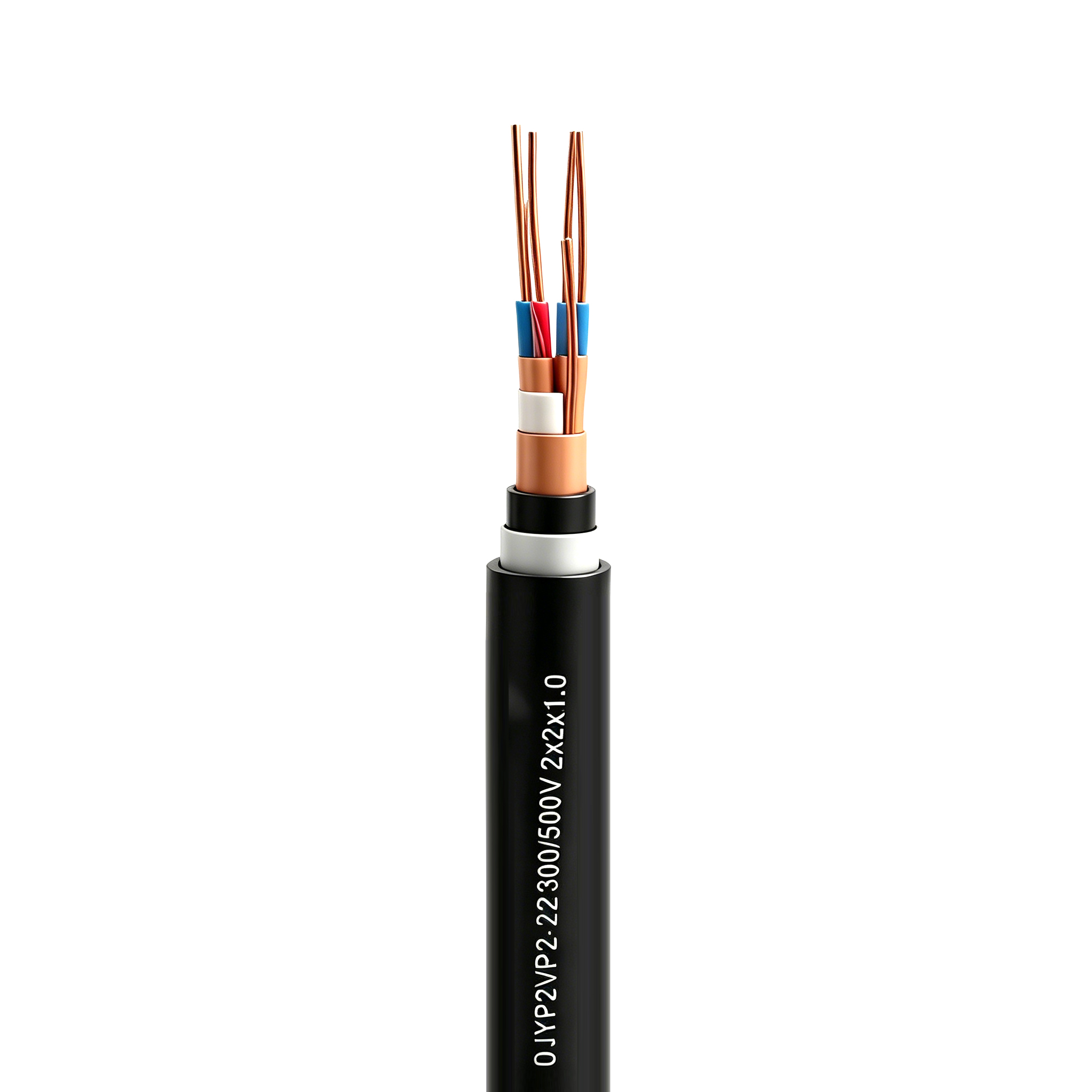 Computer and Instrument Shielded Cable with Twisted-Pair DesignThis shielded cable is ideal for connecting weighing systems, temperature sensors, and control-panel communication links. Its screening options protect small signals from electromagnetic interference in noisy industrial environments.View Product →
Variable Frequency Drive Cables
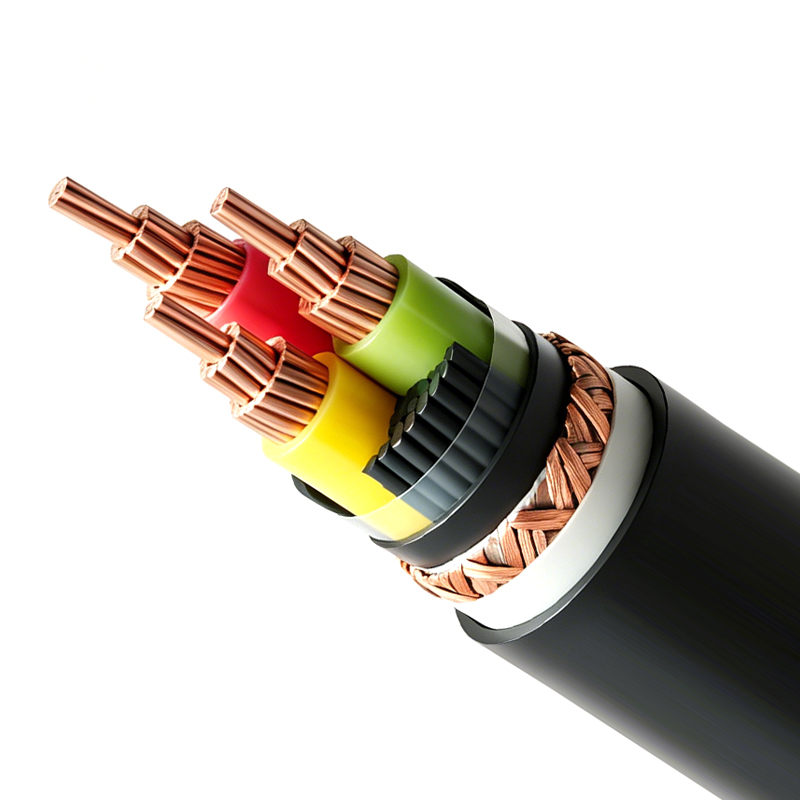
VFDs have made motor control far more energy-efficient, but they also present a unique challenge to cables. The fast-switching voltage pulses produced by a VFD can stress insulation and generate high-frequency leakage currents. A dedicated VFD cable, with its symmetrical conductor arrangement and screening layers, helps reduce radiated interference and extends motor bearing life. Our variable frequency drive cable is rated up to 6 kV and is engineered for this exact application.
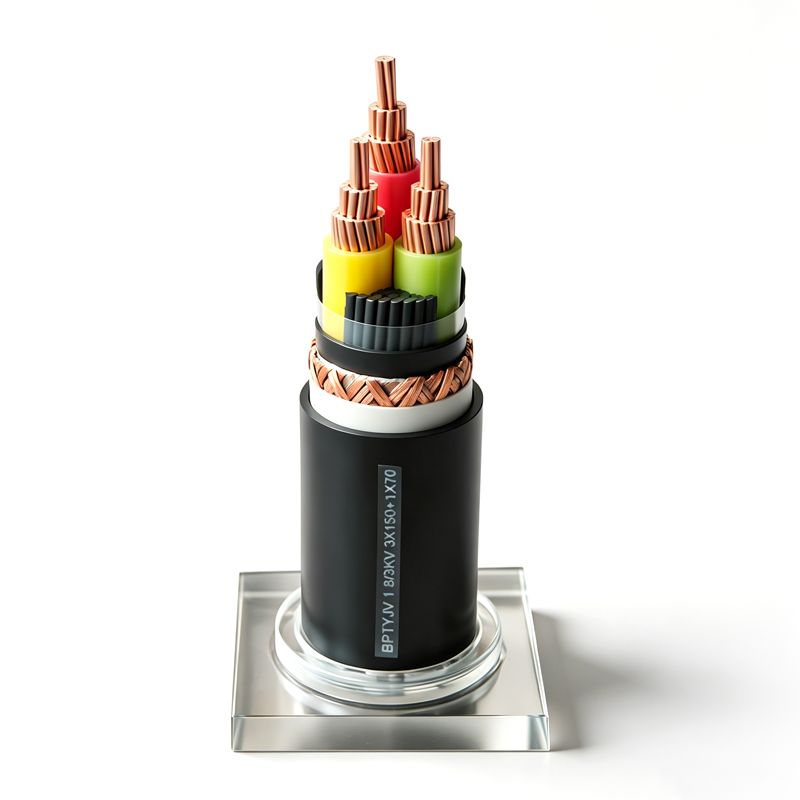 Variable Frequency Drive Cable Rated up to 6 kVEngineered for VFD applications, this cable withstands fast-switching voltage pulses and reduces radiated interference. Its screening layer helps protect motor bearings, making it a practical choice for frequency control systems.View Product →
Key Factors to Consider When Selecting Automation Cables
Choosing a cable should not be an afterthought. Here are the selection criteria we discuss with customers every week at our cable plant.
- Voltage rating: The cable insulation must be rated for the system voltage, including where voltage spikes can occur.
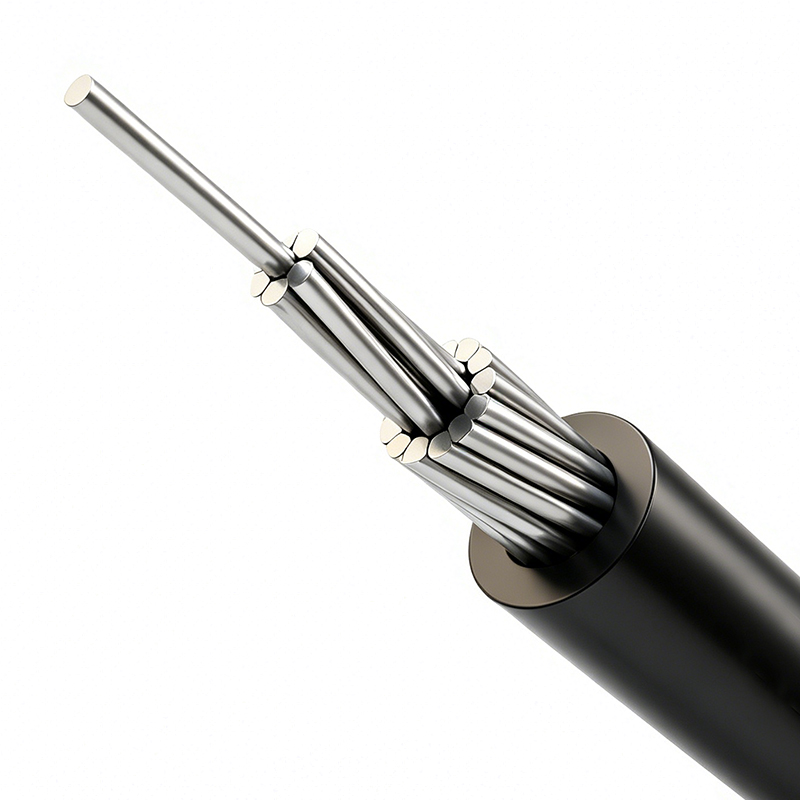
- Conductor material and size: Copper is the default for most control and signal applications; aluminum is a cost-effective option for large power feeders.
- Shielding requirement: Signal cables should be shielded, and VFD cables need a designed screen construction.
- Ambient temperature: Both ambient and conductor temperature limits affect insulation material selection.
- Mechanical stress: Cables on moving equipment need fine stranded conductors and flexible jacket design.
- Flame behavior: For plant-wide safety, check whether flame-retardant cable to standards like IEC 60332-1 is required.
- Chemical and oil resistance: Cables located near cutting fluids or solvents need jacket compounds that resist attack.
When in doubt, it is worth asking the supplier for application guidance. A serious cable manufacturer will be happy to explain the differences between options and recommend a product that matches your operating conditions.
Installation Practices That Extend Cable Life
Even a well-made cable will fail early if it is installed incorrectly. Following a few basic installation practices can add years to the service life of industrial automation cables.
- Respect the minimum bend radius shown on the datasheet, and avoid sharp bending at the cable gland.
- Do not pull conductors or pairs out from the end of the cable; peel the jacket at an angle.
- Keep power and signal cables separated in the tray by at least 300 mm, or use shielded dividers.
- Ground the cable shield at one end only to avoid ground current loops, unless the signal type requires otherwise.
- Protect the cable from abrasive edges with grommets and support the cable weight along vertical runs.
- Leave service loops at both ends of a moving cable to avoid tensile stress.
These practices apply no matter who manufactures the cable, but they become part of the plan once you understand the cable, its construction, and the conditions that may damage it.
Quality Assurance and Certification
Industrial automation projects often end up in a bid process where technical documentation is as important as price. In those cases, certification is not a matter of prestige; it is a way to prove that what you are buying is traceable and dependable.
Our plant operates under ISO 9001 quality management, ISO 14001 environmental management, ISO 45001 occupational health and safety, and ISO 50001 energy management systems. We also hold TÜV Rheinland product certification and publish carbon footprint results. Details on our certification scope can be found on our product certification page.
Beyond certificates, our plant runs more than 70 production and testing lines, where every batch of cable is manufactured and checked against internal and international requirements. That combination of validated systems and practical manufacturing capacity is what allows us to talk about quality not as a slogan, but as a repeatable process.
Selecting industrial automation cables is a decision that directly affects equipment availability, signal integrity, and long-term maintenance costs. Start with a clear understanding of your voltage, signal, shielding, and environmental requirements. Match the cable family to the application: control cables for general control wiring, shielded instrument cables for sensitive signals, and VFD cables for variable speed drives.
If you are planning a new line or replacing older cabling, we welcome you to get in touch with our team at Wuxi Guanghuan Cable. Our engineers work with customers around the world, and we are glad to share our experience with cable selection, standard specifications, and custom requirements.

Copyright © Wuxi Guanghuan Cable Co., Ltd. All Rights Reserved. Power Cables Manufacturer Electrical Wire And Cable Factory

