


 English
 中文简体
中文简体 русский
 Español
 عربى
عربى
What Are the Key Factors to Consider When Choosing Power Cables?
Content
- 1 Understanding Power Cables and Their Core Functions
- 2 Common Types of Power Cables and Their Applications
- 3 Key Factors in Selecting the Right Power Cable
- 4 Wire Gauge and Ampacity: Matching Cable Size to Load
- 5 Insulation Materials and Their Performance Characteristics
- 6 Installation Environments and Cable Protection
- 7 Safety Standards and Certifications to Look For
- 8 Maintenance Tips for Long-Term Cable Reliability
Understanding Power Cables and Their Core Functions
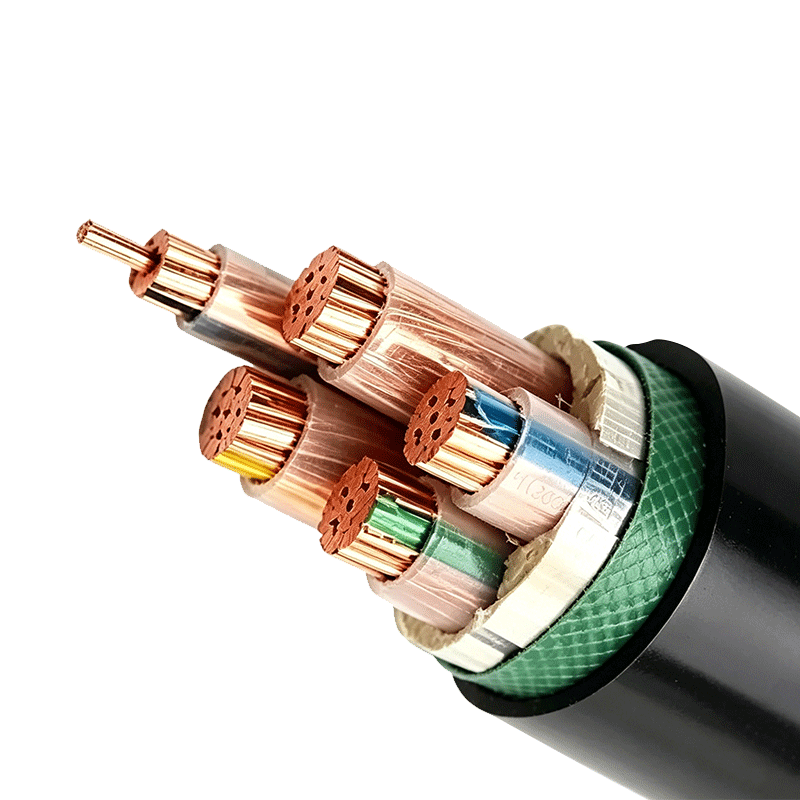
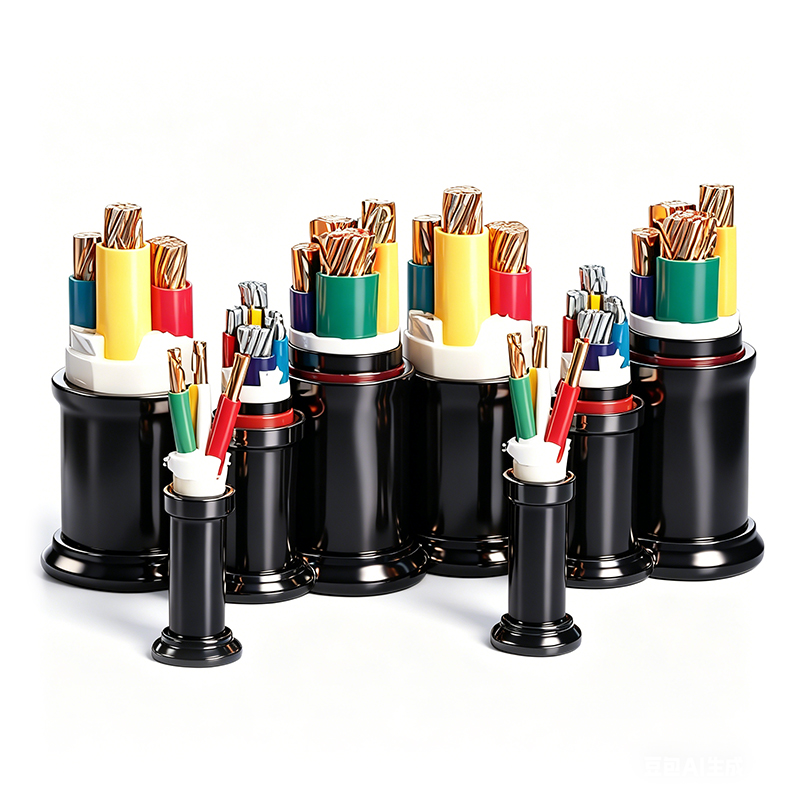
Power cables are the physical conduits that carry electrical energy from a source, such as a generator or substation, to the equipment, appliances, or systems that consume it. Unlike simple wires, power cables are engineered assemblies made up of one or more conductors, insulation layers, shielding, and an outer protective jacket. This layered construction allows them to safely transmit current across varying distances while withstanding environmental stress, mechanical wear, and electrical faults.
The performance of a power cable depends on several interrelated factors: the conductor material, the cross-sectional area, the insulation type, and the conditions under which the cable will operate. Choosing the wrong cable for an application can lead to overheating, voltage drop, insulation breakdown, or even fire hazards. For this reason, understanding how power cables function is the first step toward selecting the right one for any residential, commercial, or industrial project.
Common Types of Power Cables and Their Applications
Power cables are manufactured in a wide range of configurations to suit different voltage levels, environments, and load requirements. Below is an overview of the most widely used categories.
| Cable Type | Typical Use | Voltage Range |
| Low Voltage (LV) Cable | Residential wiring, small appliances | Up to 1,000V |
| Medium Voltage (MV) Cable | Commercial buildings, distribution networks | 1kV to 35kV |
| High Voltage (HV) Cable | Power transmission, substations | Above 35kV |
| Armored Cable | Underground and outdoor installations | Varies |
| Flexible Cable | Machinery, portable equipment | Low to Medium |
Each of these cable types is designed with specific mechanical and electrical properties. For example, armored cables include a metallic layer that protects against physical damage in underground or high-traffic areas, while flexible cables use stranded conductors that can bend repeatedly without breaking, making them ideal for equipment that moves during operation.
Key Factors in Selecting the Right Power Cable
Selecting a power cable is not simply a matter of matching wire size to a socket. Several technical and environmental variables need to be evaluated together to ensure safe, efficient, and long-lasting performance.
- Current load: The maximum amount of electrical current the cable will carry under normal operating conditions.
- Voltage rating: The cable's insulation must be rated to handle the system voltage with an adequate safety margin.
- Distance: Longer cable runs experience greater voltage drop, which may require a larger conductor size.
- Environment: Exposure to moisture, chemicals, sunlight, or extreme temperatures affects the choice of jacket material.
- Installation method: Whether the cable will be buried, run through conduit, or exposed in open air changes the required protection level.
Taking these factors into account before purchasing helps prevent costly mistakes, such as undersized cables that overheat or oversized cables that add unnecessary expense and installation difficulty.
Wire Gauge and Ampacity: Matching Cable Size to Load
Wire gauge refers to the diameter of the conductor inside the cable, and it directly determines how much current the cable can safely carry, a property known as ampacity. In most regions, wire sizes are measured using the American Wire Gauge (AWG) system or in square millimeters, depending on local standards.
Why Gauge Matters
A cable that is too thin for its intended load will heat up excessively, which can degrade the insulation over time and create a fire risk. Conversely, an oversized cable, while safer, increases material costs and can be more difficult to work with during installation. Electricians typically use ampacity charts, provided by cable manufacturers or national electrical codes, to match conductor size with the anticipated current draw and the length of the run.
Voltage Drop Considerations
As current travels through a conductor, some voltage is lost due to resistance, especially over long distances. This is known as voltage drop. For circuits feeding sensitive electronics or motors, minimizing voltage drop is critical to ensure devices receive stable power. Using a larger gauge cable for long runs is a common way to offset this effect.
Insulation Materials and Their Performance Characteristics
The insulation surrounding a power cable's conductor plays a major role in determining its suitability for specific applications. Different materials offer varying levels of heat resistance, flexibility, and durability.
- PVC (Polyvinyl Chloride): Cost-effective and widely used for general indoor wiring, with moderate heat resistance.
- XLPE (Cross-Linked Polyethylene): Offers higher temperature tolerance and is commonly used in medium and high voltage applications.
- Rubber: Provides excellent flexibility, making it suitable for portable cords and cables subject to frequent movement.
- Silicone: Delivers superior heat and fire resistance, often chosen for industrial or high-temperature environments.
Beyond the insulation itself, many power cables also include an outer jacket for added mechanical protection, moisture resistance, or UV stability, particularly for cables installed outdoors or underground.
Installation Environments and Cable Protection
Where and how a power cable is installed significantly influences the type of protection it needs. Indoor cables run through walls or conduit generally face fewer environmental stresses than those installed outdoors, underground, or in industrial settings.
Underground Installations
Cables buried directly in the ground must be rated for direct burial and typically include a tough outer jacket along with metallic or fiber armoring to resist moisture, soil chemicals, and physical impact from digging equipment or shifting ground.
Outdoor and Industrial Settings
Cables exposed to sunlight require UV-resistant jacketing to prevent cracking over time, while those in industrial facilities may need resistance to oils, solvents, or abrasion. In areas with extreme temperature swings, cable materials must remain flexible in the cold and stable under heat without degrading.
Safety Standards and Certifications to Look For
Reputable power cables are tested and certified by recognized organizations to confirm they meet minimum safety and performance benchmarks. Depending on the region, common certifications include UL (Underwriters Laboratories), CE marking, IEC standards, and CSA certification.
These certifications typically verify factors such as fire resistance, insulation integrity under load, and resistance to environmental degradation. When purchasing power cables, especially for commercial or industrial projects, checking for proper certification labels on the cable jacket or accompanying documentation helps ensure compliance with local electrical codes and reduces liability risks.
Maintenance Tips for Long-Term Cable Reliability
Even properly selected and installed power cables require periodic attention to maintain safe and efficient operation over their service life. Establishing a basic maintenance routine can help identify problems before they lead to failures or safety hazards.
- Inspect visible cable jackets regularly for cracks, discoloration, or signs of overheating.
- Check connection points and terminals for corrosion or looseness, which can cause resistance and heat buildup.
- Monitor load levels to ensure cables are not consistently operating near or above their rated ampacity.
- Keep cables away from sources of excessive heat, moisture, or chemical exposure whenever possible.
- Schedule professional inspections for critical or high-voltage installations on a regular basis.
By combining careful selection with routine maintenance, power cables can deliver reliable performance for many years, minimizing the risk of unplanned outages, equipment damage, or electrical hazards.
-
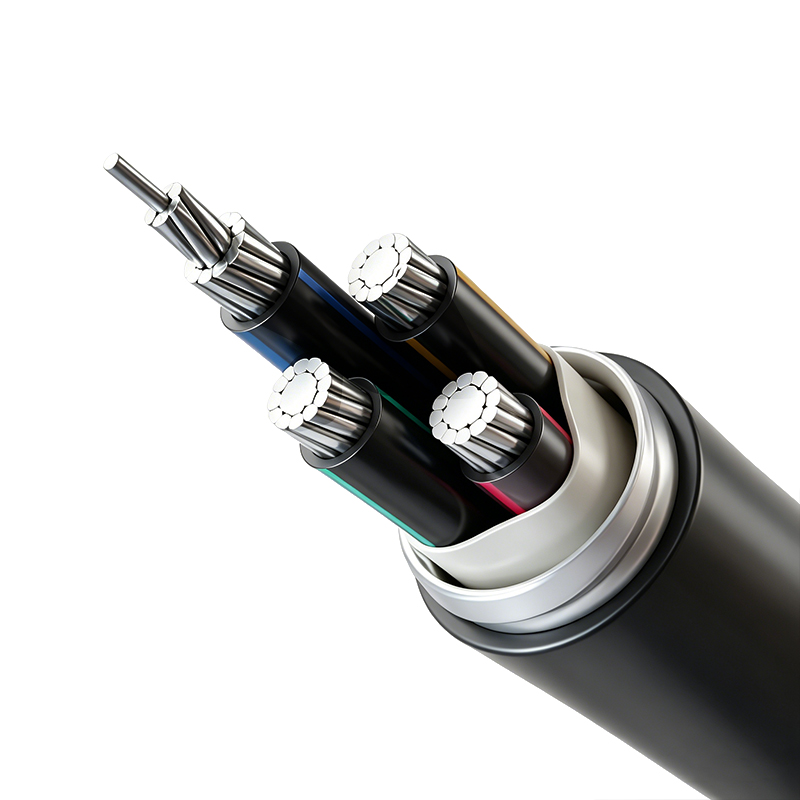
Aluminum Alloy Conductor Plastic Insulated Power Cable (Rated Voltage up to 26/35kV)
-
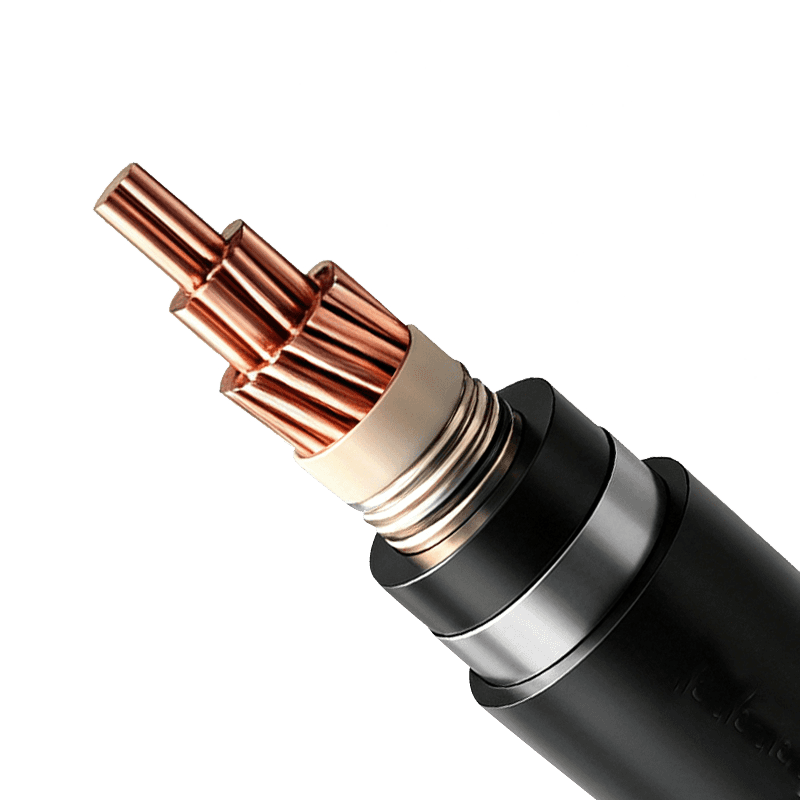
Power Cable for Subway and Urban Rail Transit (Rated Voltage 35kV)
-
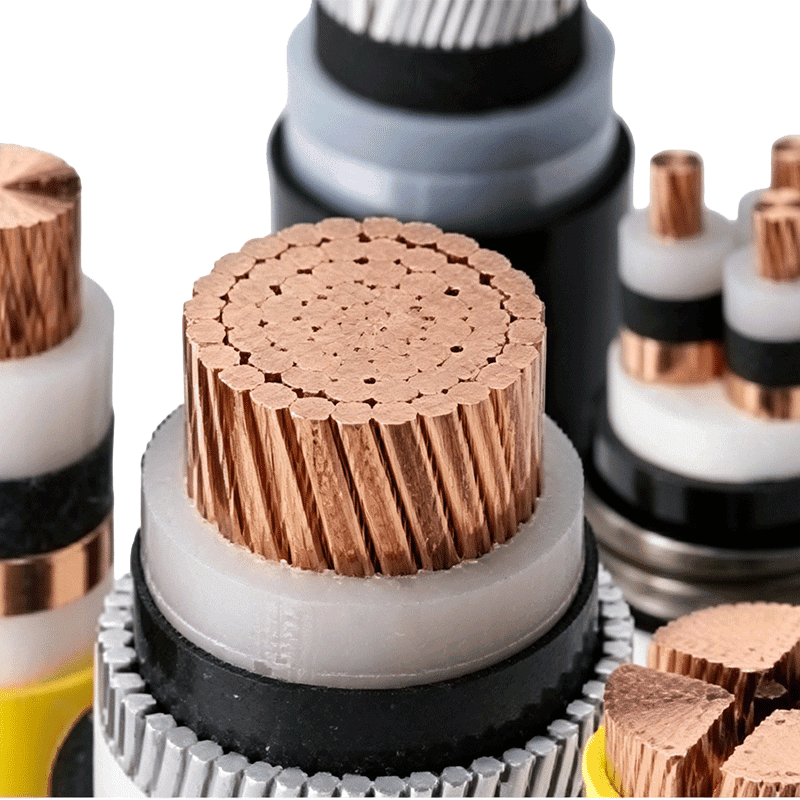
Rated Voltage 3.6/6kV–26/35kV XLPE Insulated Power Cable
-
Rated Voltage 0.6/1kV XLPE Insulated Power Cable

-
Rated Voltage 0.6/1kV PVC Insulated Power Cable

Copyright © Wuxi Guanghuan Cable Co., Ltd. All Rights Reserved. Power Cables Manufacturer Electrical Wire And Cable Factory

