


 English
 中文简体
中文简体 русский
 Español
 عربى
عربى
Electrical Equipment Cables: Types, Selection, and Safety Guide
Content
- 1 Understanding Electrical Equipment Cables
- 2 Common Types of Electrical Equipment Cables
- 3 Key Construction Elements That Affect Performance
- 4 Comparing Cable Types by Application
- 5 Factors to Evaluate When Selecting a Cable
- 6 Safety Standards and Compliance
- 7 Maintenance Practices to Extend Cable Lifespan
Understanding Electrical Equipment Cables
Electrical equipment cables are engineered conductors used to transmit power, control signals, or data between electrical devices, machinery, and control systems. Unlike general building wiring, equipment cables are often designed to handle specific environmental stresses such as movement, vibration, chemical exposure, or extreme temperatures, since they are commonly used to connect motors, control panels, sensors, and industrial machinery. Choosing the correct cable type directly impacts system reliability, safety compliance, and long-term maintenance costs.
These cables are found across manufacturing plants, power distribution systems, commercial buildings, and automation equipment. Because equipment cables often operate under demanding conditions, understanding their construction and rated performance characteristics is essential for engineers, electricians, and facility managers responsible for specifying or maintaining electrical systems.
Common Types of Electrical Equipment Cables
Electrical equipment cables come in several distinct categories, each designed for a specific function within a system. Selecting the correct type depends on the application, voltage requirements, and installation environment.
Power Cables
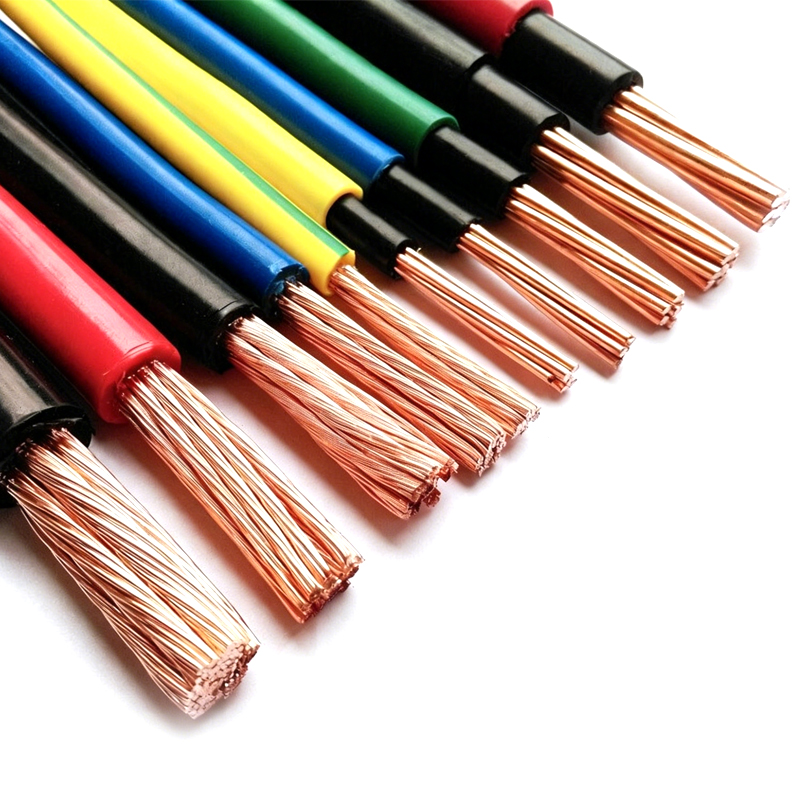
Power cables carry electrical energy from a source, such as a switchboard or transformer, to equipment that requires operating current. These cables are typically rated by voltage class and conductor size, with insulation materials selected based on the operating temperature and environmental exposure of the installation site.
Control Cables
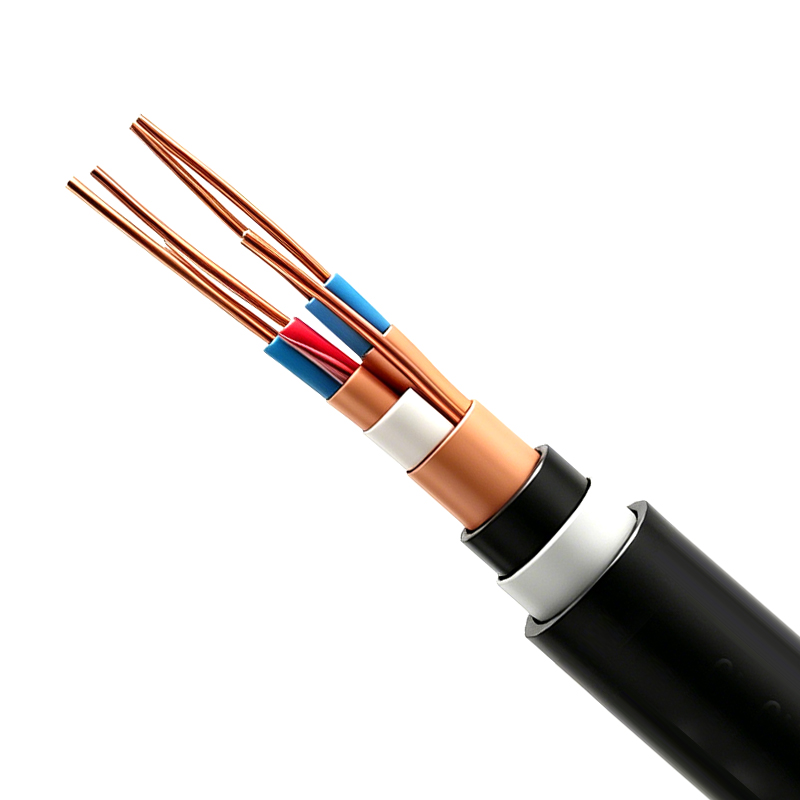
Control cables transmit low-voltage signals used to operate switches, relays, and automated control systems. These cables often contain multiple conductors bundled together and are shielded to reduce electromagnetic interference that could disrupt signal accuracy.
Instrumentation Cables
Instrumentation cables carry precise measurement signals between sensors, transmitters, and monitoring equipment. They typically feature twisted pair construction and shielding to maintain signal integrity in electrically noisy industrial environments.
Key Construction Elements That Affect Performance
The internal construction of an electrical equipment cable determines how well it performs under specific operating conditions. Understanding these components helps buyers avoid premature cable failure and safety risks.
- Conductor material: Copper offers higher conductivity and flexibility, while aluminum is lighter and more cost-effective for large installations.
- Insulation type: Materials such as PVC, XLPE, and rubber determine temperature tolerance, flexibility, and chemical resistance.
- Shielding: Foil or braided shielding reduces electromagnetic interference, which is critical for control and instrumentation cables.
- Outer jacket: Provides mechanical protection against abrasion, moisture, oil, and UV exposure depending on the rated environment.
- Conductor stranding: Finely stranded conductors offer greater flexibility for cables subject to frequent movement or vibration.
Comparing Cable Types by Application
| Cable Type | Typical Voltage Range | Primary Application |
| Power Cable | 600V - 35kV | Motor and machinery power supply |
| Control Cable | 300V - 600V | Automation and switching systems |
| Instrumentation Cable | 300V or lower | Sensor and measurement signal transmission |
| Flexible Cordage | 300V - 600V | Portable tools and moving equipment |
Factors to Evaluate When Selecting a Cable
Choosing the right electrical equipment cable requires careful evaluation of both electrical and environmental requirements to ensure safe, long-term operation.
Voltage and Current Rating
Always match the cable's voltage rating and ampacity to the equipment's operating requirements, with allowance for peak load conditions. Undersized cables can overheat, degrade insulation, and create fire hazards over time.
Environmental Exposure
Consider whether the cable will be exposed to moisture, chemicals, sunlight, or extreme temperatures. Outdoor or industrial installations often require cables with UV-resistant, oil-resistant, or flame-retardant jackets to withstand harsh conditions.
Flexibility Requirements
Cables connected to equipment that moves, vibrates, or requires frequent repositioning need higher flex-rated designs with finely stranded conductors to prevent conductor fatigue and breakage over repeated motion cycles.
Safety Standards and Compliance
Electrical equipment cables must comply with recognized safety standards to ensure proper performance and reduce fire or shock hazards. Organizations such as UL, IEC, and NEC establish requirements for insulation ratings, temperature tolerance, and flame resistance that cables must meet before being approved for specific applications. Always verify that a cable's certification markings match the requirements of the installation environment, particularly in facilities subject to regular safety inspections or industry-specific regulations.
Proper labeling, correct conduit sizing, and adherence to bend radius specifications during installation also play a significant role in maintaining compliance and preventing premature cable damage.
Maintenance Practices to Extend Cable Lifespan
Routine inspection and maintenance help prevent unexpected failures in electrical equipment cables. Facility teams should periodically check for signs of insulation cracking, discoloration from overheating, or physical damage from abrasion. Thermal imaging can be used to detect hot spots at connection points before they escalate into failures. Additionally, ensuring cables are properly supported and not subjected to excessive tension or sharp bends will significantly extend their operational lifespan and reduce the risk of unplanned downtime.
-
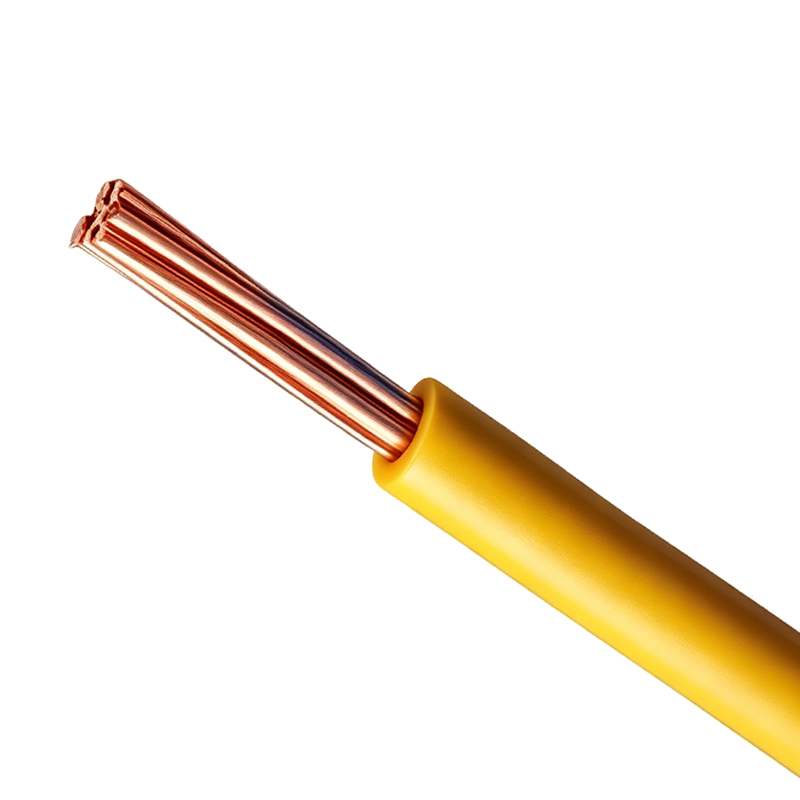
PVC Insulated Cable and Wire (Rated Voltage 450/750V and below)
-
Cross-linked Polyolefin (XLPO) Insulated Wire and Cable (Rated Voltage 450/750V and below)

-
Computer and Instrument Shielded Cable
-
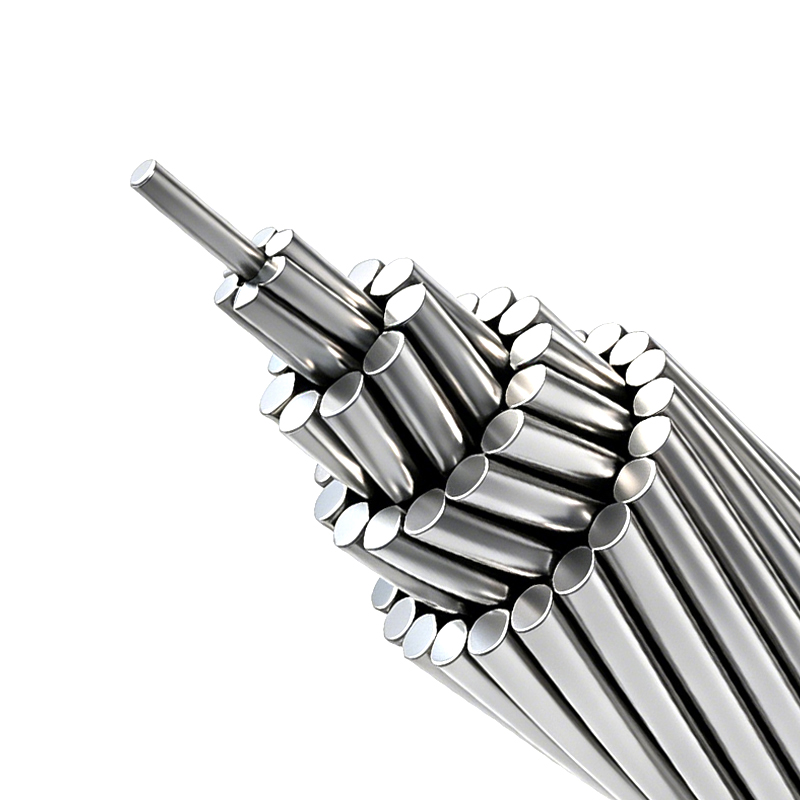
AAC, AAAC & ACSR - Aluminum and Aluminum Alloy Stranded Conductors
-
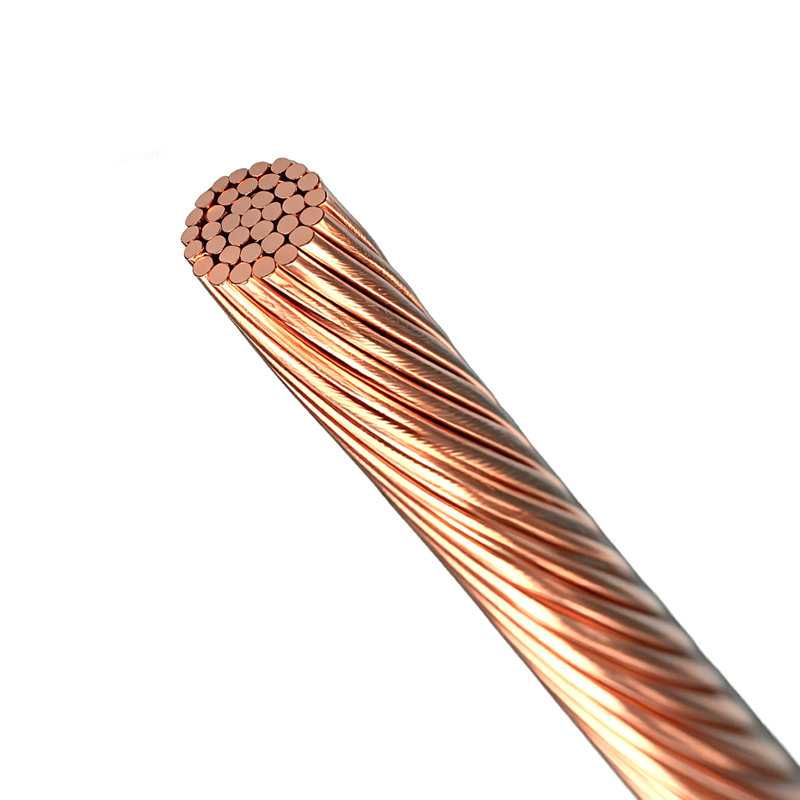
Copper Stranded Wire (TJ, TJR & TJX Series)

Copyright © Wuxi Guanghuan Cable Co., Ltd. All Rights Reserved. Power Cables Manufacturer Electrical Wire And Cable Factory

