


 English
 中文简体
中文简体 русский
 Español
 عربى
عربى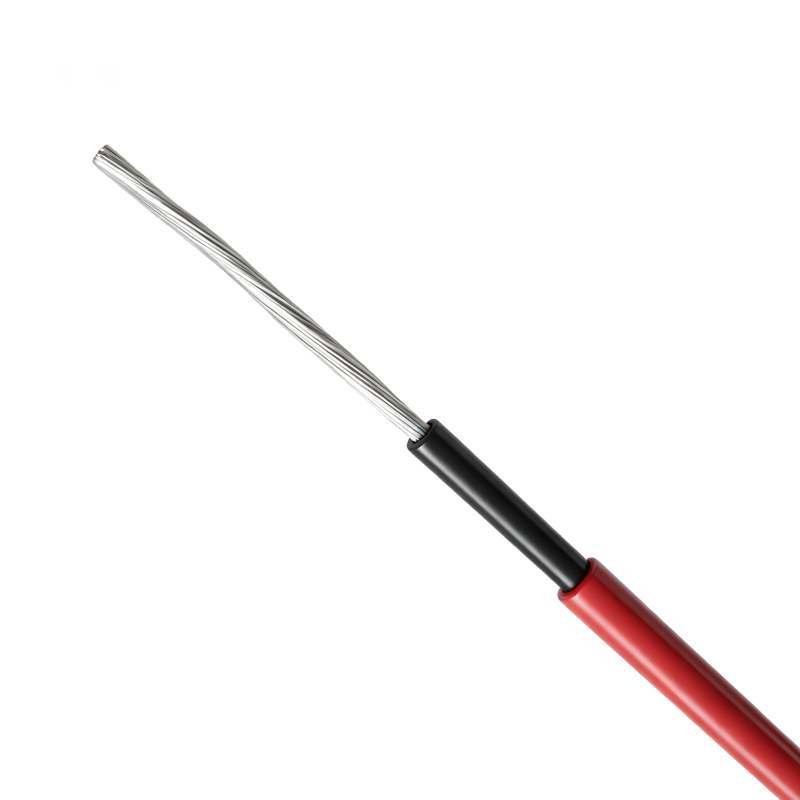
Product Overview
Photovoltaic cable is a critical component used for DC side transmission within solar PV power generation systems. Specifically engineered for the rigorous operating environments of outdoor solar power plants, this product demonstrates exceptional resistance to weathering, UV radiation, and ozone erosion. By utilizing high-performance eco-friendly materials, the cable maintains stable electrical performance under temperature fluctuations and complex geographical conditions, serving as a reliable link to ensure the long-term, high-efficiency operation of photovoltaic systems.

Photovoltaic Cable (PV Cable)
 Contact Us
Product Standards
The design, manufacturing, and testing of these cables strictly adhere to international and authoritative industry standards, ensuring broad applicability across global PV projects:
German TUV Standard: Compliant with 2PfG 1169/08.2007 (Standard for Photovoltaic Cables).
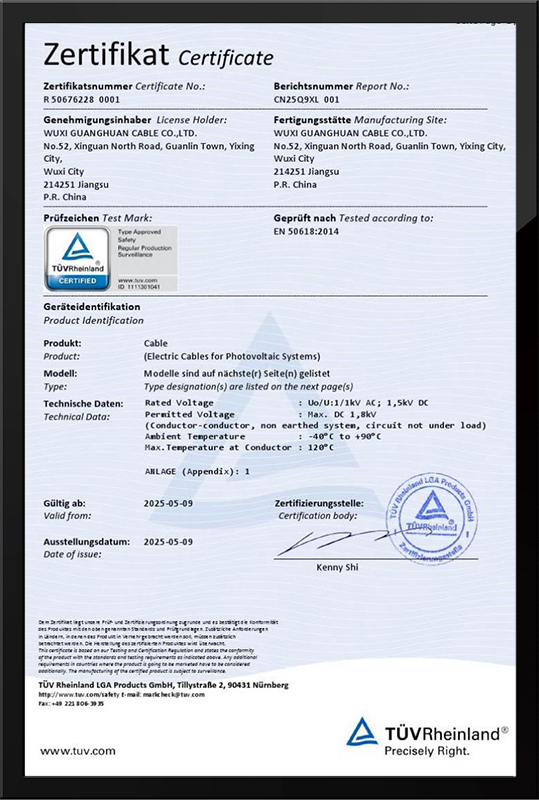
European Standard: Compliant with EN 50618:2014 (Requirements for Photovoltaic Cables).
Product Structure and Material Characteristics
Anti-oxidation Conductor: The conductor is made of high-purity electrical-grade tinned copper wire. The tin layer effectively prevents the oxidation of copper in humid outdoor environments while enhancing the wire's soldering performance and corrosion resistance.
Double-layer Cross-linked Insulation Structure: Both the insulation and sheath layers utilize Low-Smoke Zero-Halogen Cross-linked Polyolefin (LSZH XLPO) materials. This material provides superior dielectric strength and mechanical physical properties, and it produces minimal smoke without toxic halogen gases during combustion.
Eco-friendly Design: The product is fully compliant with RoHS environmental directives, demonstrating excellent ecological attributes.
Operating Characteristics & Performance Advantages
Wide Temperature Range Operation: The cable functions stably within an ambient temperature range of -40°C to +90°C. The maximum operating temperature of the conductor can reach 120°C, and it can withstand an instantaneous short-circuit temperature rise of 200°C (for up to 5 seconds).
Voltage Adaptability: Supports a rated voltage of AC 0.6/1kV; in DC systems, it supports power transmission of DC 1.5kV (to ground) and DC 1.8kV (line-to-line).
Superior Flexibility: Features excellent cold-bending and cold-winding performance, allowing for a minimum bending radius of not less than 4 times the cable's outer diameter, which greatly facilitates flexible wiring within photovoltaic arrays.
Ultra-long Service Life: Tailored to the investment cycles of PV power plants, the product is designed with an expected service life of no less than 25 years, significantly reducing long-term maintenance costs for the system.
Core Application Areas
This series is precision-tailored for the specialized requirements of photovoltaic power generation systems:
PV Array Connectivity: Used for DC current transmission between photovoltaic modules (panels) and between modules and combiner boxes.
System DC Trunk Lines: Suitable for power delivery between PV arrays and inverters, supporting installation environments that meet Class II safety level requirements.
All-Terrain Environmental Coverage: With its outstanding resistance to ozone, UV, acids, and alkalis, it is widely applicable in various harsh geographical conditions, including high altitudes, deserts, and coastal salt spray.
Type and name of cable
|
Type |
Name |
|
PV1-F |
Corssilinked polyolefin insulation crosslinked polyolefin sheath solar photovoltaic cable |
|
H1Z2Z2-K |
Production Range of cable
|
Type |
Rated voltage |
No. of cores |
Cross-sectional Area |
Standard |
|
PV1-F |
DC 1.8kV AC 0.6/1.0KV |
1 |
1.5~35mm² |
2PfG 1169/08.2007 |
|
H1Z2Z2-K |
DC 1.5KV AC 1.0/1.0kV |
1 |
1.5~240mm² |
EN50618:2014 |
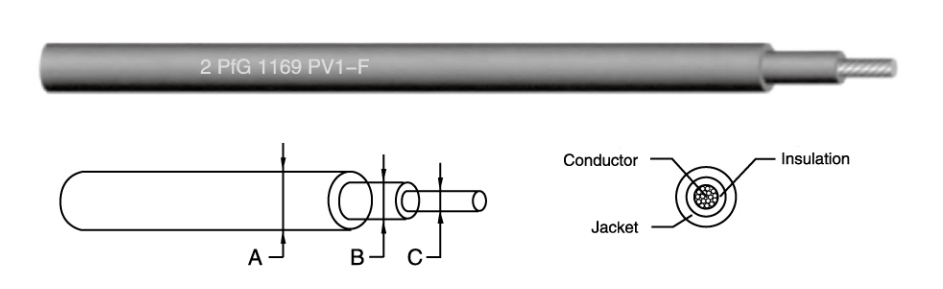
Construction
Current-carrying capacity of cable
Ambient Temperature: 60℃
Max.Conductor temperature: 120℃
Current-carrying Capacity of PV1-F Cable under ambient temperature 60℃
|
Nominal cross-sectional area mm² |
Installation Type |
||
|
Single-core cable laid in free circulation of air |
Single-core cable laid on the ground surface |
Parallel cable on the ground surface |
|
|
mm² |
A |
A |
A |
|
1.5 |
30 |
29 |
24 |
|
2.5 |
40 |
39 |
33 |
|
4 |
55 |
52 |
44 |
|
6 |
70 |
67 |
57 |
|
10 |
98 |
93 |
79 |
|
16 |
132 |
125 |
107 |
|
25 |
176 |
167 |
142 |
|
35 |
218 |
207 |
176 |
Current-carrying Capacity of PV1-F Cable under ambient temperature 60℃
|
Room temperature ℃ |
Conversion factor |
|
60 |
1.00 |
|
70 |
0.91 |
|
80 |
0.82 |
|
90 |
0.71 |
|
100 |
0.58 |
|
110 |
0.41 |
|
Nominal cross-sectional area mm² |
Carrying capacity according to laying method |
||
|
A single cable is suspended in the air |
A single cable is suspended in the air |
A two-load cable with two contacts on the surface |
|
|
mm² |
A |
A |
A |
|
1.5 |
30 |
29 |
24 |
|
2.5 |
41 |
39 |
33 |
|
4 |
55 |
52 |
44 |
|
6 |
70 |
67 |
57 |
|
10 |
98 |
93 |
79 |
|
16 |
132 |
125 |
107 |
|
25 |
176 |
167 |
142 |
|
35 |
218 |
207 |
176 |
|
50 |
276 |
262 |
221 |
|
70 |
347 |
330 |
278 |
|
95 |
416 |
395 |
333 |
|
120 |
488 |
464 |
390 |
|
150 |
566 |
538 |
453 |
|
185 |
644 |
612 |
515 |
|
240 |
775 |
736 |
620 |
|
Ambient temperature: 60℃ (See table below for other environmental temperatures) Maximum conductor temperature:120℃. |
|||
|
Note: the expected operating time limit is 20000h at the maximum temperature of 120℃ and the highest ambient temperature at 90℃. |
|||
Rated current conversion factor at different ambient temperatures
|
Ambient temperature ℃ |
Conversion factor |
|
≤60 |
1.00 |
|
70 |
0.92 |
|
80 |
0.84 |
|
90 |
0.75 |
-
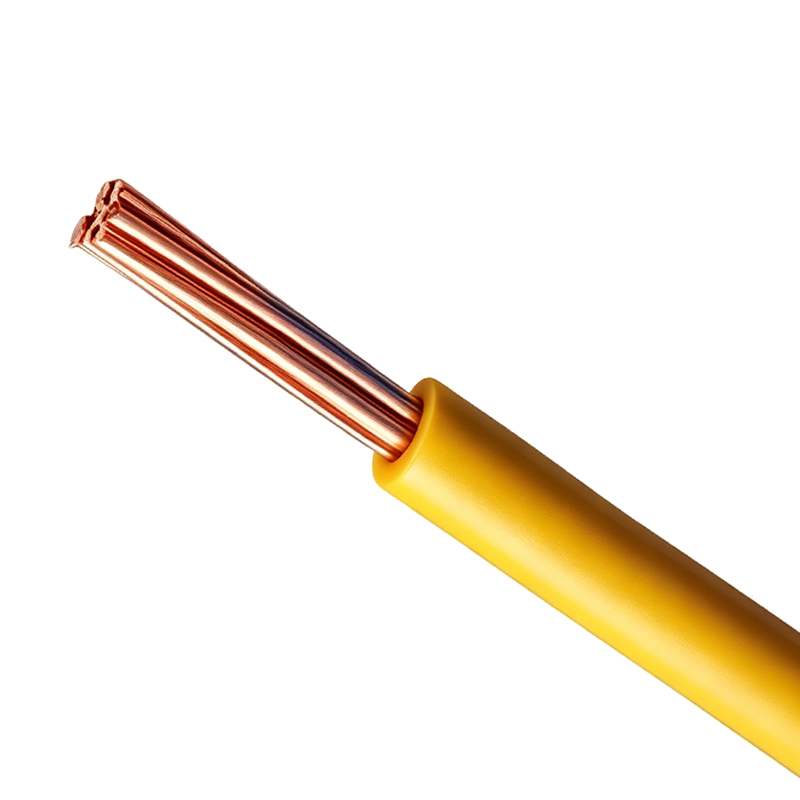
PVC Insulated Cable and Wire (Rated Voltage 450/750V and below)
-
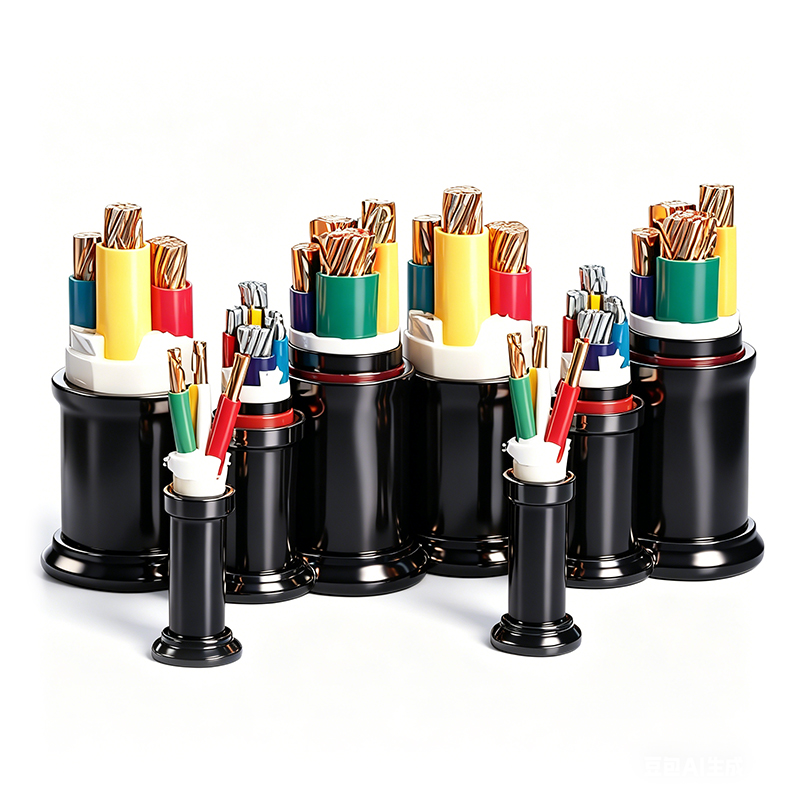
Rated Voltage 0.6/1kV PVC Insulated Power Cable
-
Rated Voltage 1.8/3kV PVC Insulated Power Cable
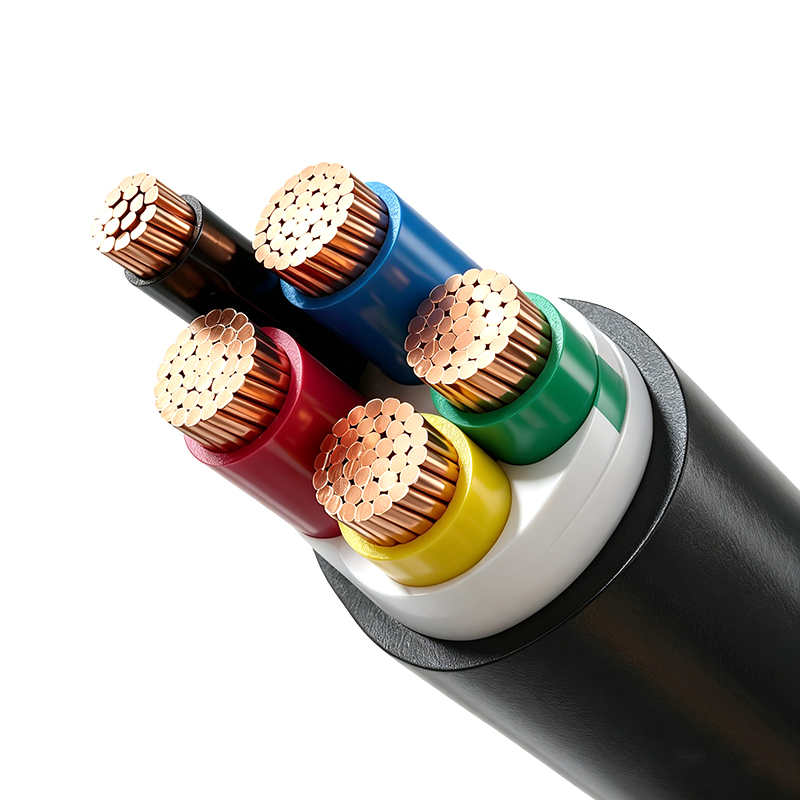
-
Rated Voltage 3.6/6kV–26/35kV XLPE Insulated Power Cable
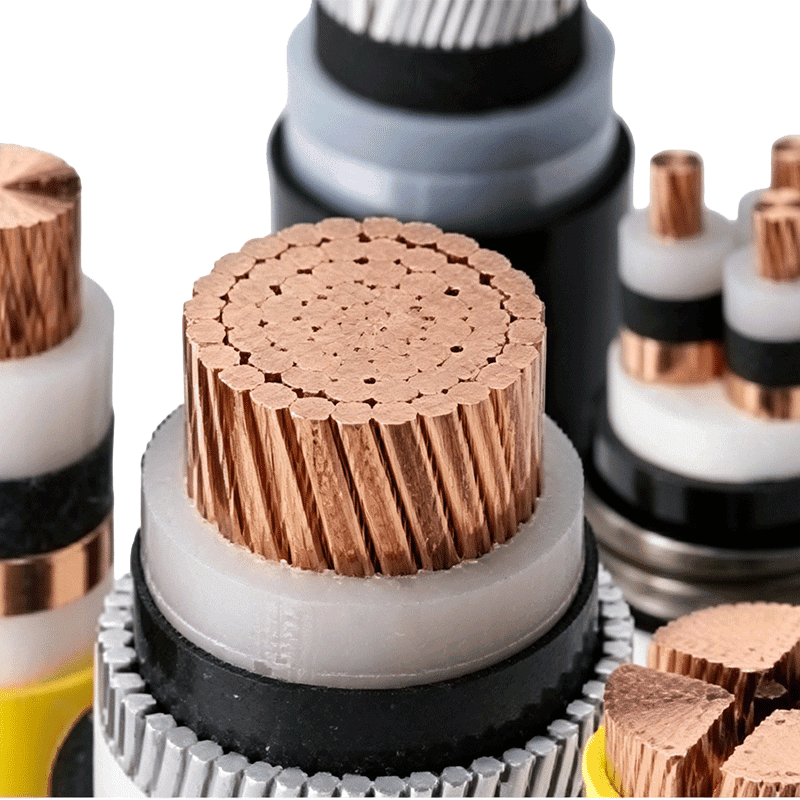
-
Rated Voltage 0.6/1kV XLPE Insulated Power Cable
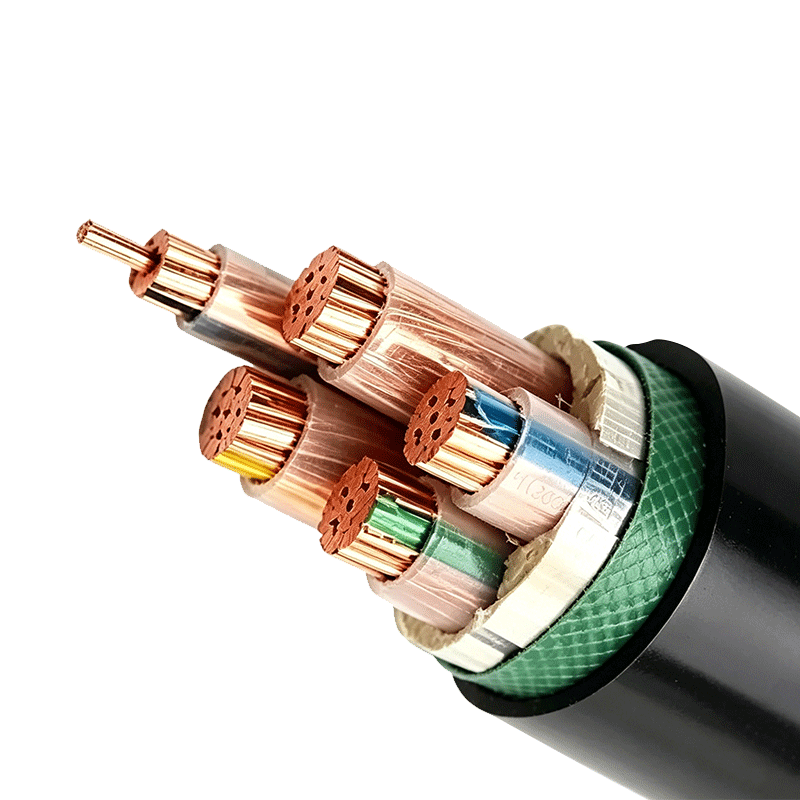
-
Rated Voltage 1.8/3kV XLPE Insulated Power Cable
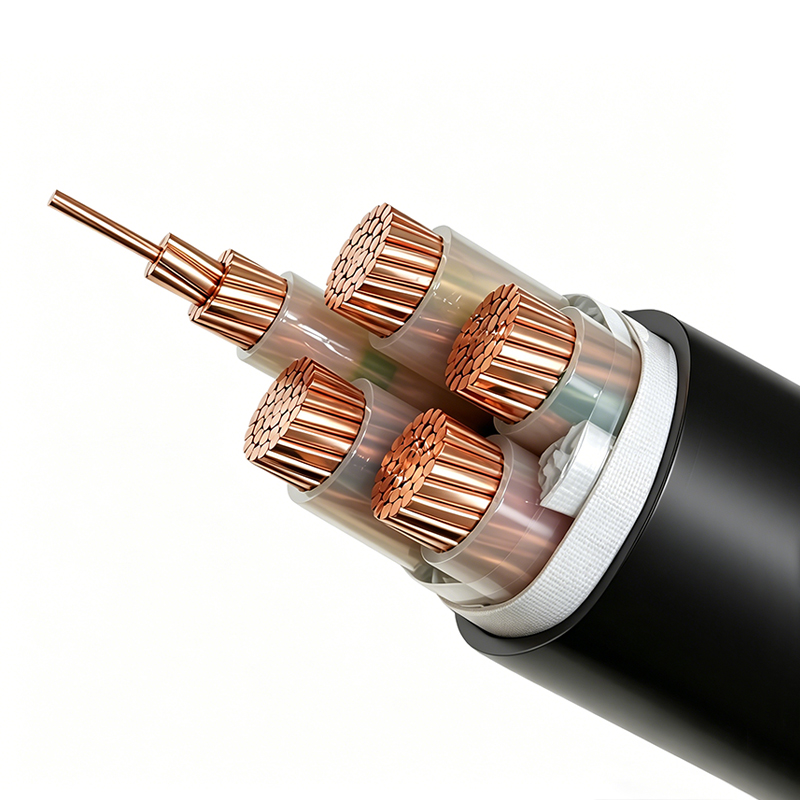
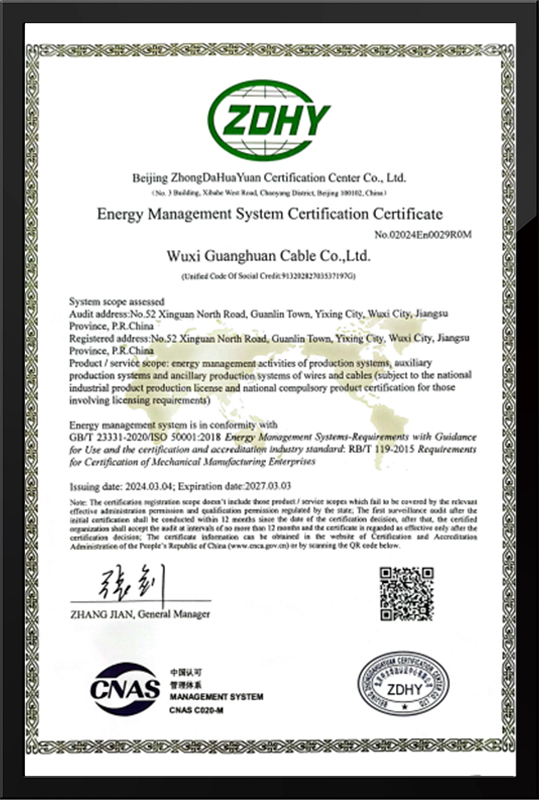
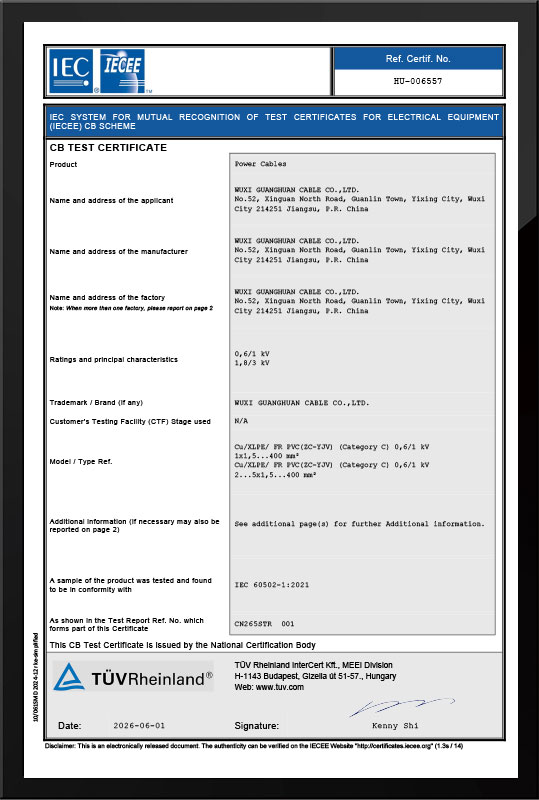
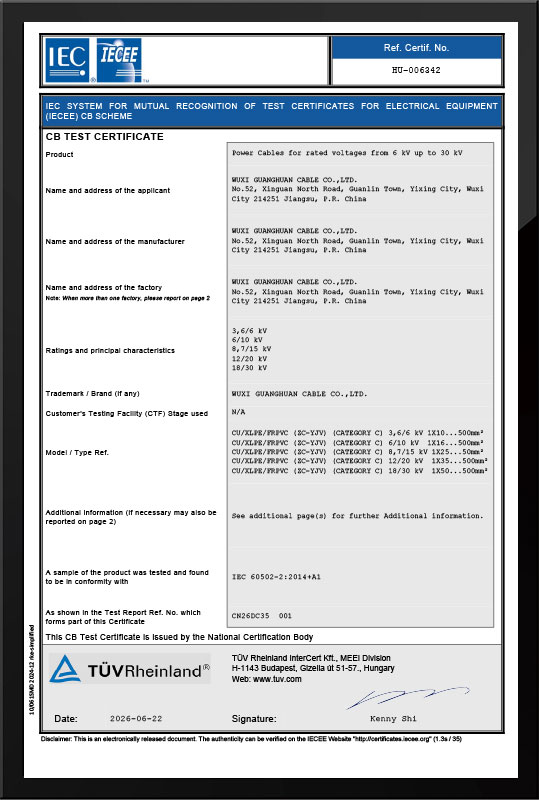
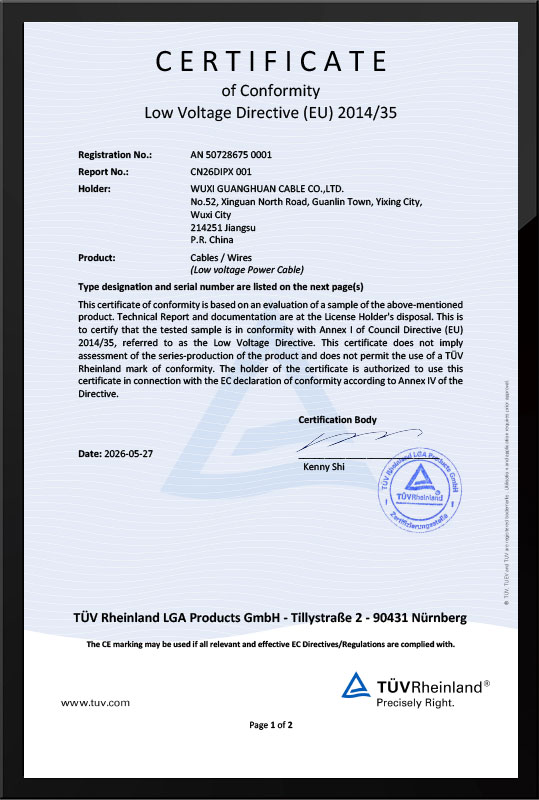
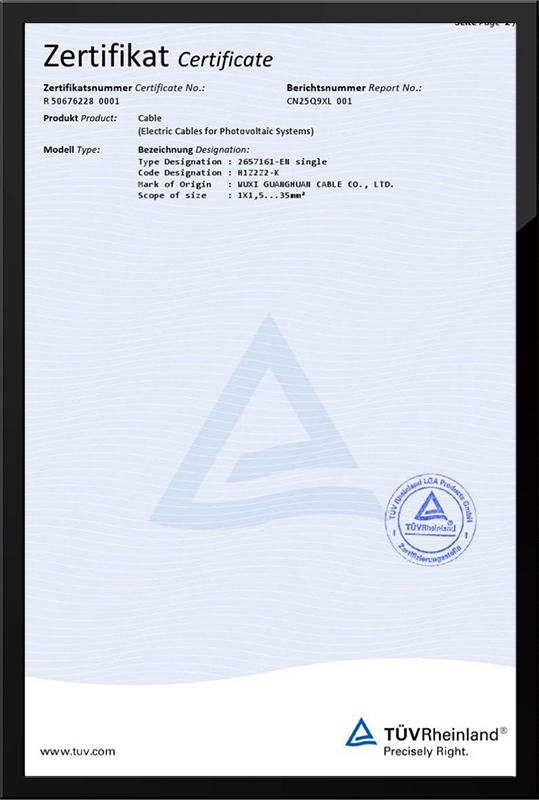
CERTIFICATE DISPLAY
NEWS & INSIGHTS
View All News
-
Industry News
-
Industry News
-
Industry News
-
Industry News

Wuxi Guanghuan Cable Co., Ltd. specializes in power cables,
electrical equipment cables, wires, etc.
Quick Links
About Us
Copyright © Wuxi Guanghuan Cable Co., Ltd. All Rights Reserved. H1Z2Z2-KF Solar Cable Factory

