Standards
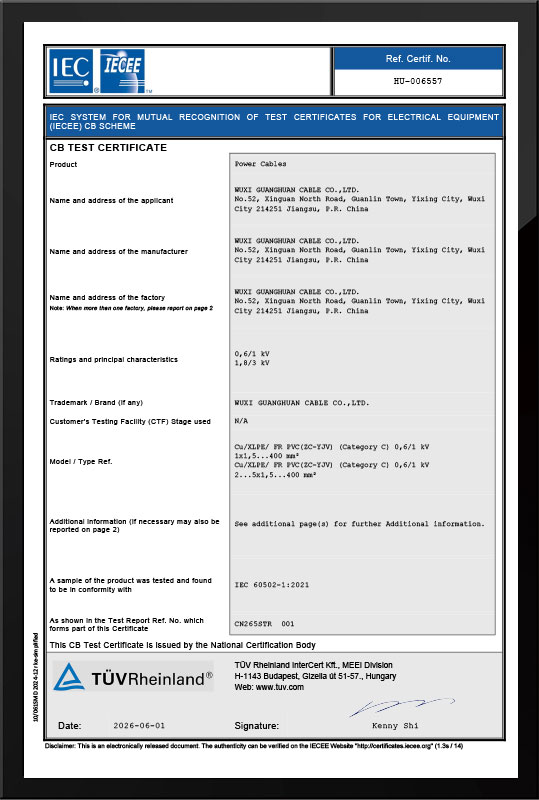
This product is manufactured strictly in accordance with the following national standards and technical specifications to ensure compliance with power industry operating requirements.
National Standard:
GB/T 12706.1 Cables for rated voltages from 1kV (Um=1.2kV) to 3kV (Um=3.6kV)
Other Standards:
According to user requirements, the cable can also be manufactured in accordance with IEC international standards or specific industry specifications.
Application Scope
Cables of this voltage class are mainly used for fixed installation in power distribution networks or industrial installations with AC rated voltages up to 1.8/3kV. Typical application scenarios include:
• Industrial power distribution:
Suitable for industrial distribution systems with rated voltage 1.8/3kV, used as power supply connection lines for equipment such as motors and transformers.
• Fixed installation environments:
Applicable for installation in indoor environments, tunnels, cable trenches, and direct burial installations.
• Special environments:
Armored types can be used in locations where mechanical external forces or tensile stress may occur, such as vertical shafts, underwater installation areas, or locations prone to mechanical damage.
Note:
Single-core cables shall not be installed in magnetic conduits. If single-core armored cables are used in AC systems, non-magnetic armoring materials or magnetic isolation measures should be adopted.
Operating Characteristics
• Rated Voltage:
The power frequency rated voltage U0/U is 1.8/3kV.
• Operating Temperature:
The maximum permissible long-term operating temperature of the cable conductor is 70°C.
• Short-Circuit Temperature:
During a short circuit (maximum duration not exceeding 5 seconds), the conductor temperature shall not exceed 160°C.
• Installation Temperature:
The ambient temperature during cable installation shall not be lower than 0°C. If installation is required below this temperature, preheating measures should be taken.
• Minimum Bending Radius:
The minimum permissible bending radius of the cable shall not be less than 15 times the cable outer diameter.
• Flame-Retardant Performance:
PVC material provides inherent flame-retardant properties. According to application requirements, flame-retardant, fire-resistant, or low-smoke halogen-free cable structures can be provided.
Cable Structure
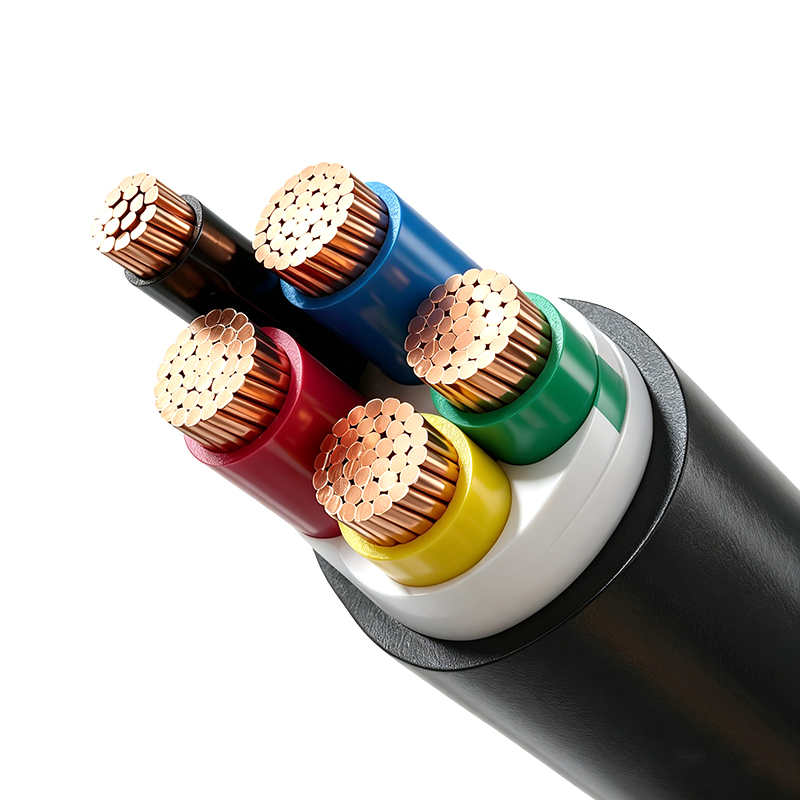
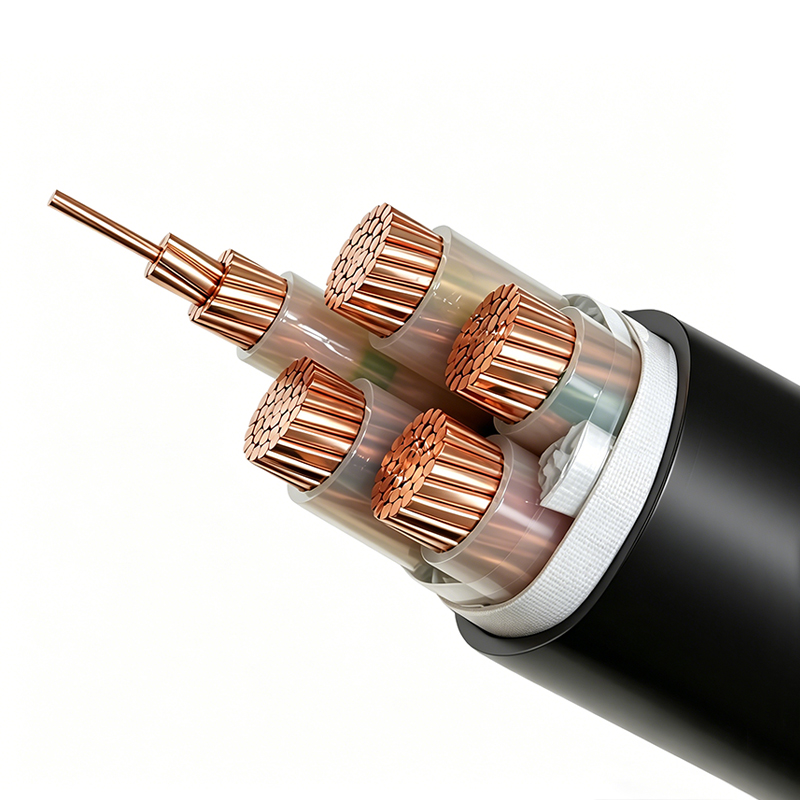
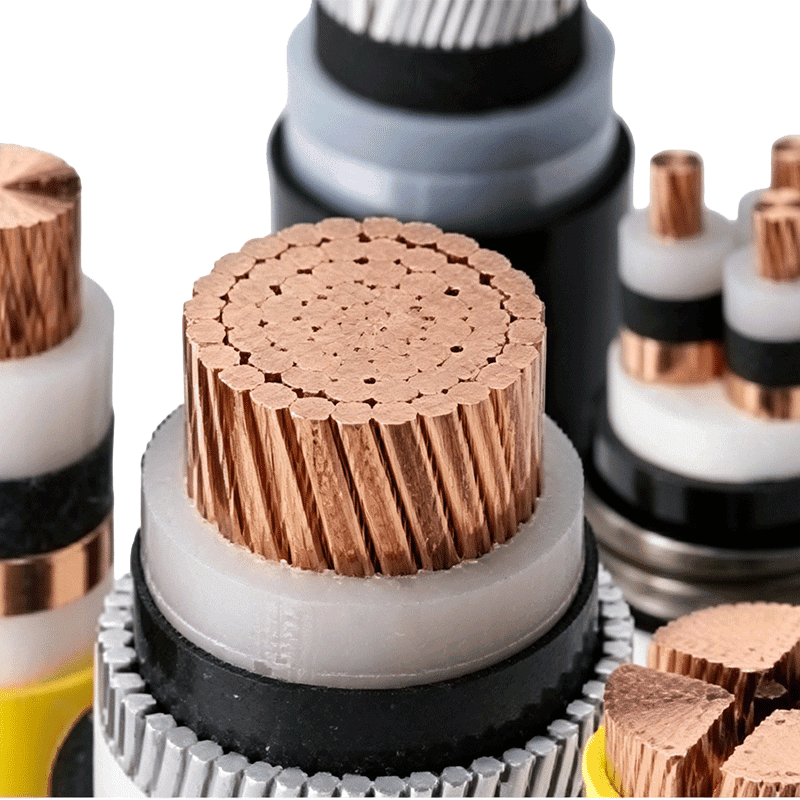
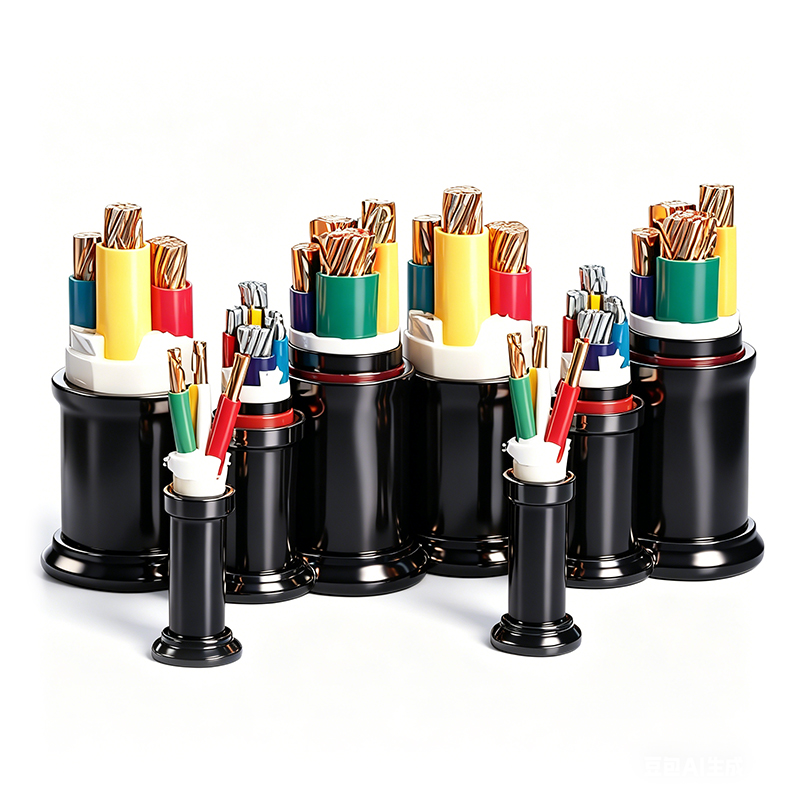
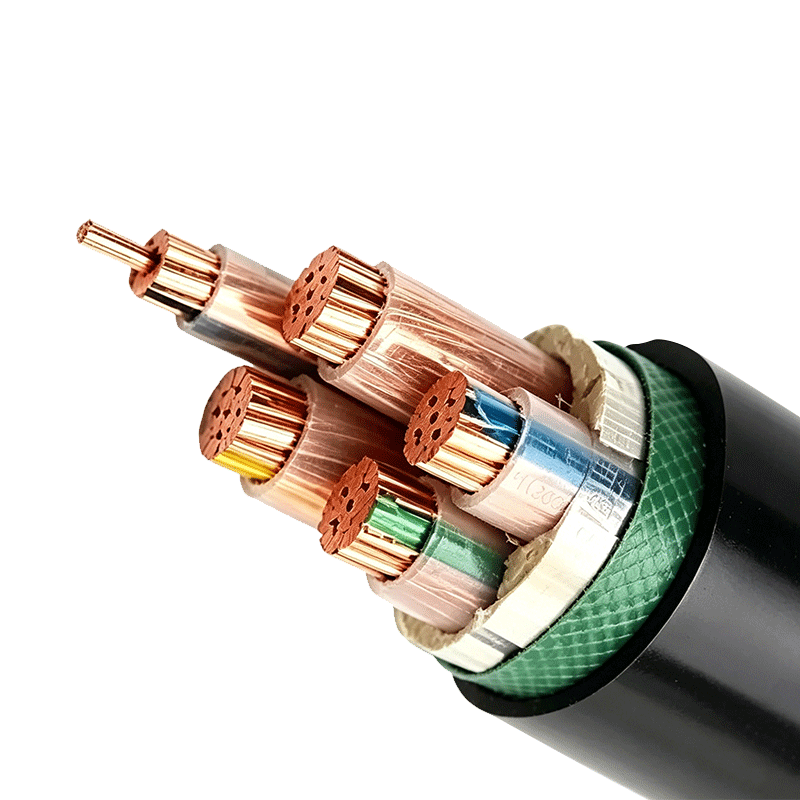
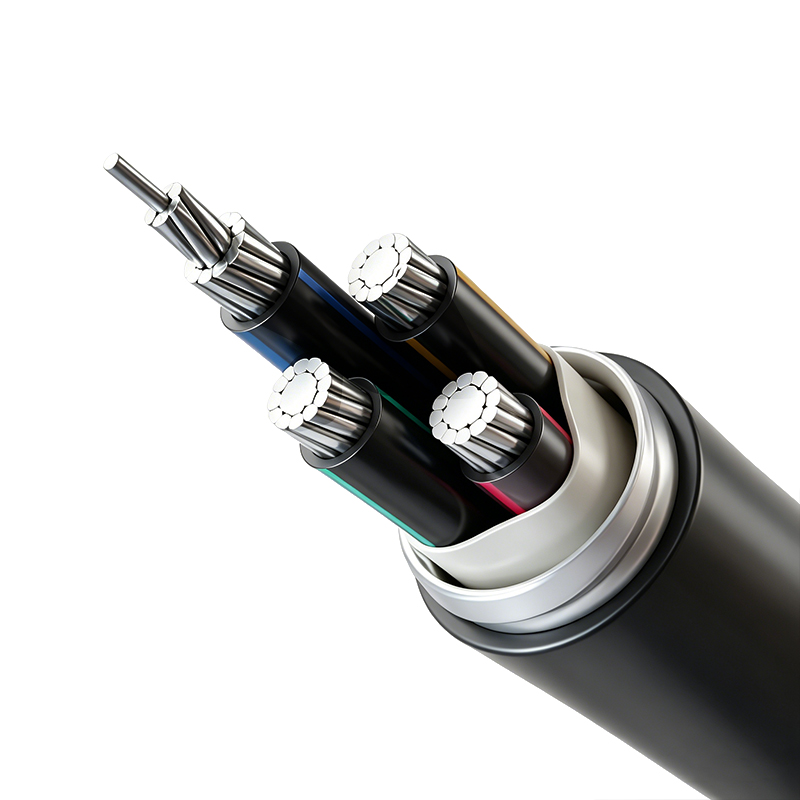
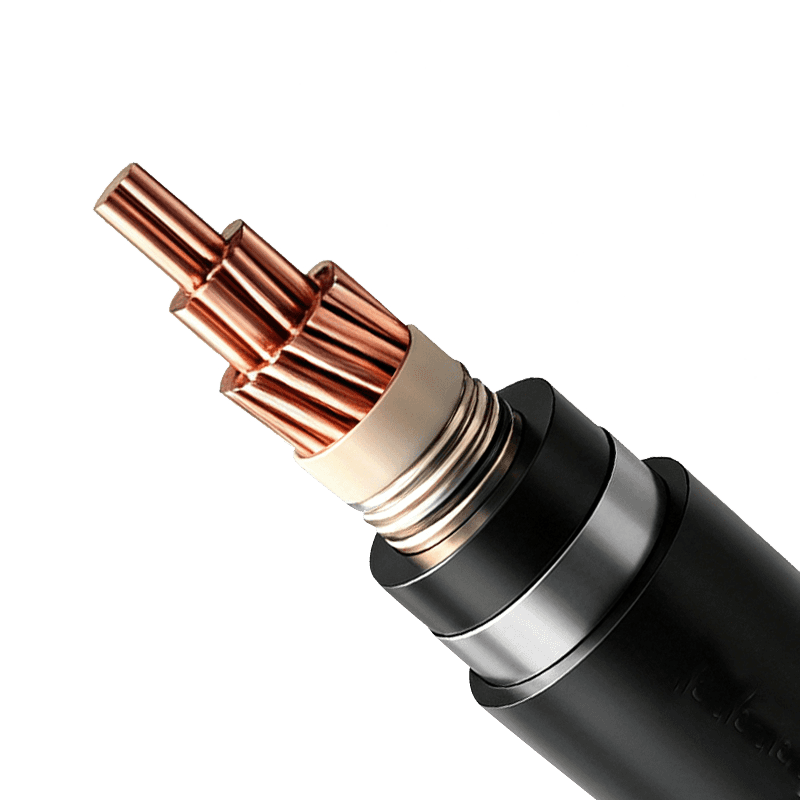
The cable adopts a layered structural design to support safe and stable operation during long-term service:
1. Conductor: High-purity copper or aluminum conductor compliant with GB/T 3956, providing reliable electrical conductivity.
2. Insulation: PVC insulation layer, with insulation thickness optimized for the 1.8/3kV voltage level, providing stable insulation resistance and voltage withstand performance.
3. Filling: Non-hygroscopic filling materials used to maintain cable roundness.
4. Binding Tape: Non-woven binding tape used to secure the cable cores.
5. Inner Sheath (Optional): Used to isolate the armoring layer from insulated cores.
6. Armoring Layer (Optional): Steel tape armoring for compression resistance or steel wire armoring for tensile strength.
7. Outer Sheath: PVC or PE sheath, providing corrosion resistance, wear resistance, and environmental adaptability.
Current Carrying Capacity and Installation Correction
The current carrying capacity of cables is affected by installation environment (air or soil), ambient temperature, soil thermal resistivity, and installation methods. This product provides detailed current carrying capacity tables and correction factors.
• Installation in air:
Reference ambient temperature 40°C, maximum long-term conductor temperature 70°C.
• Installation in soil:
Reference soil temperature 25°C, soil thermal resistivity 1.2K·m/W, direct burial depth 0.7m.
• Correction factors:
In practical engineering applications, current carrying capacity should be adjusted according to ambient temperature, soil temperature, and multiple parallel cable installations, using correction factor tables to prevent cable overload operation.
Cable Installation and Operating Conditions
To support safe cable operation, the following installation conditions should be observed:
• Installation in air:
For parallel installation of single-core cables, the center distance shall be twice the cable diameter for cross-sections up to 185 mm², and 90 mm for cross-sections of 240 mm² and above.
• Direct burial installation:
When single-core cables are installed without contact, the center distance between cables should be twice the cable diameter.
• Temperature limits:
Maximum long-term conductor operating temperature 70°C, and 160°C during short-circuit conditions.




 English
 中文简体
中文简体 русский
 Español
 عربى
عربى