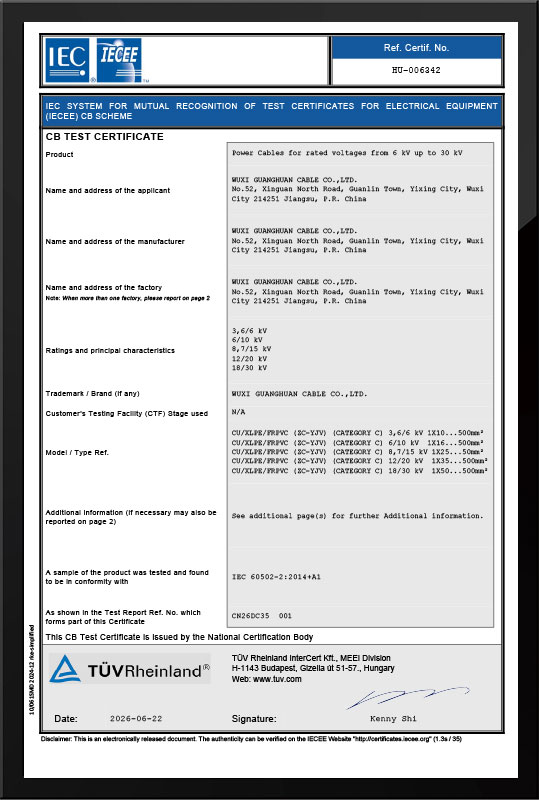
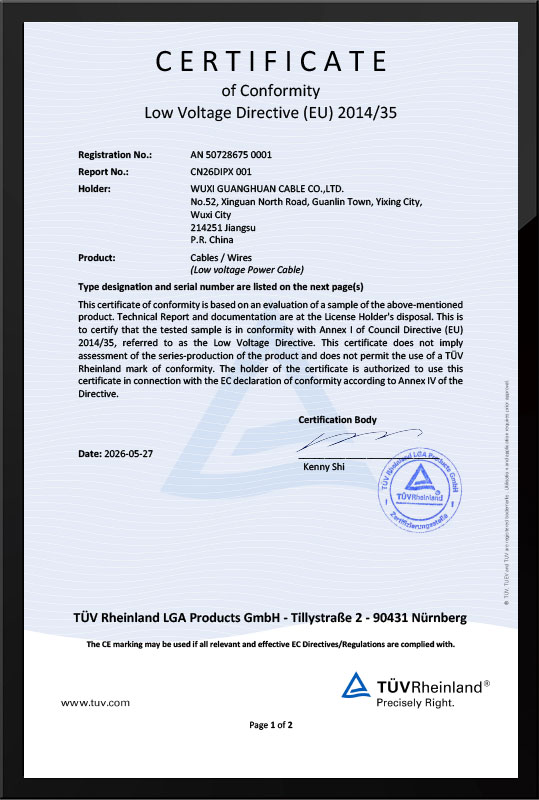
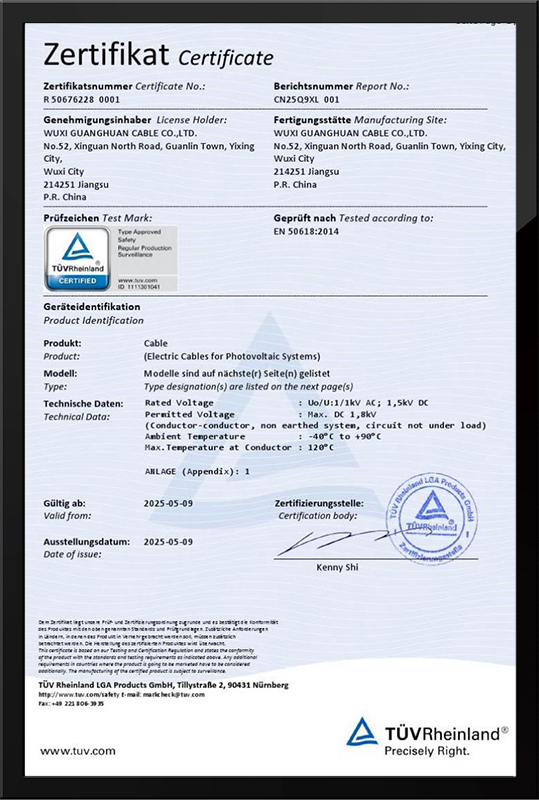
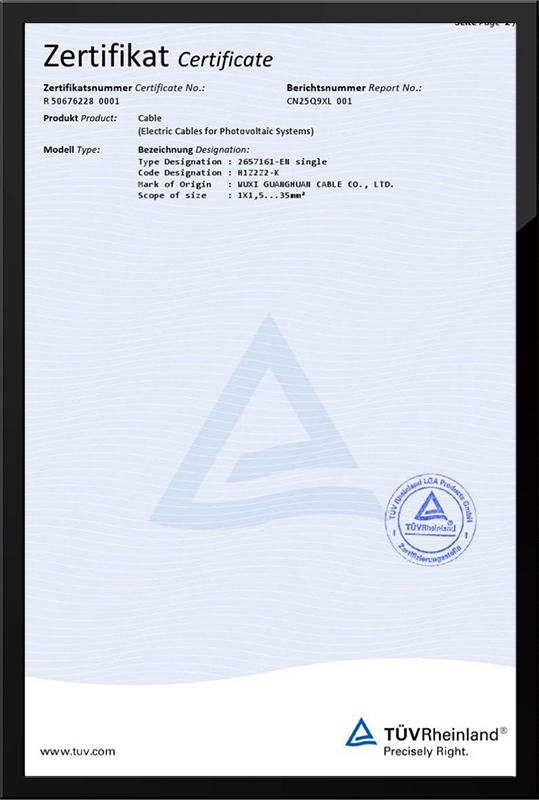
Product Standards
The R&D and manufacturing processes strictly implement multiple national standards and technical specifications to ensure performance indicators meet industry-leading levels:
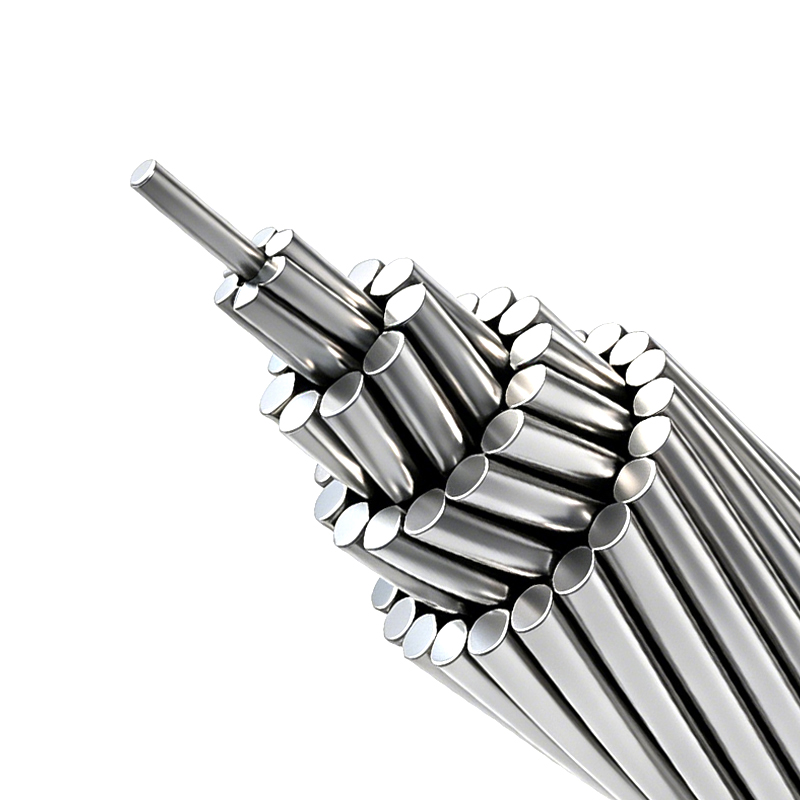
National Standards: Compliant with GB/T 1179-2017 (Round wire concentric lay overhead electrical stranded conductors) and GB/T 3956-2008 (Conductors of cables).
Enterprise Technical Specification: Meets the specialized technical requirements of Q/320282 GAD021-2019.
Product Structure and Material Characteristics
This series features distinct characteristics in conductor hardness and surface treatment to suit different application focuses:
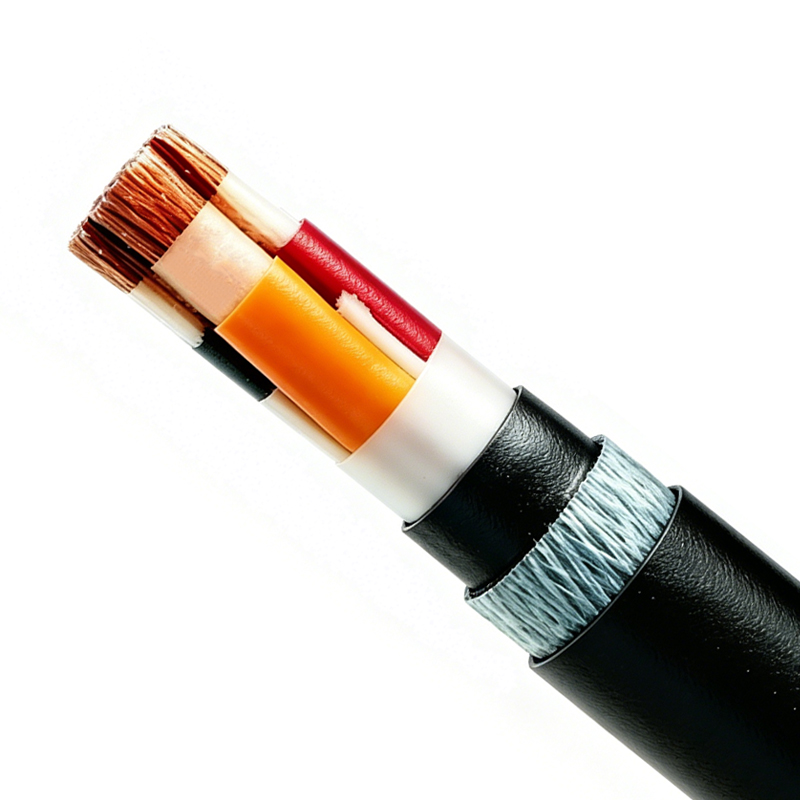
High-Purity Conductor Material: Uses premium electrical-grade copper, with strictly controlled impurity levels to ensure maximum conductivity.
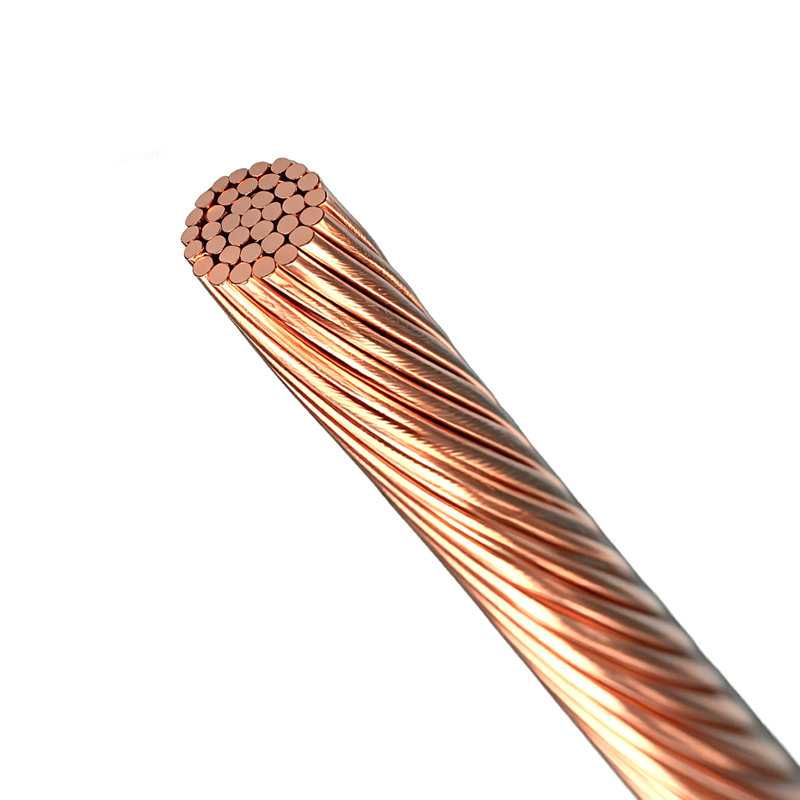
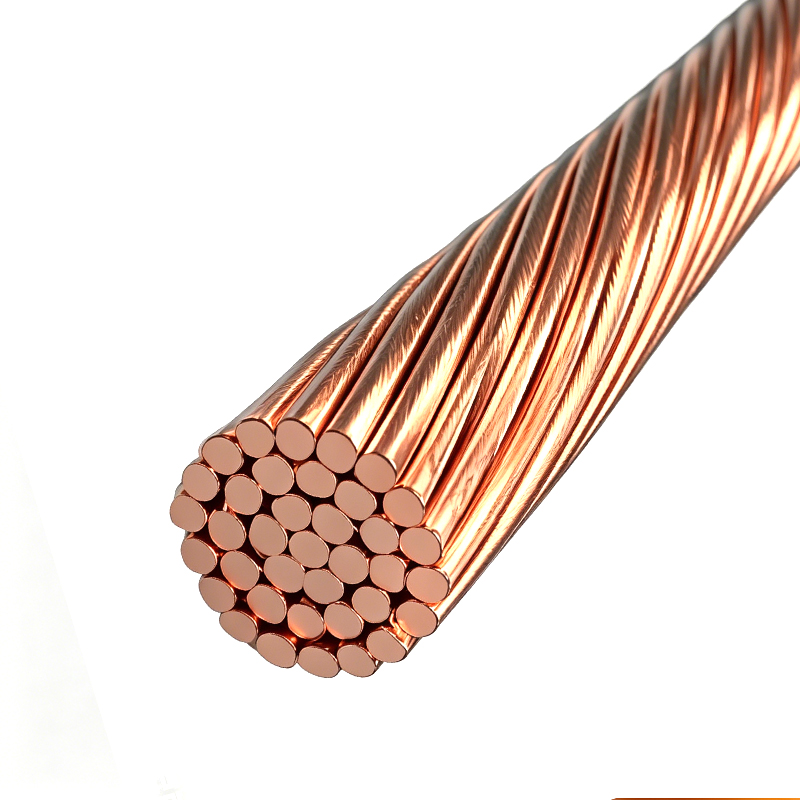
Hard Copper Stranded Structure (TJ Type): Manufactured through a hard-drawing process, providing high mechanical tensile strength to withstand significant physical stress.
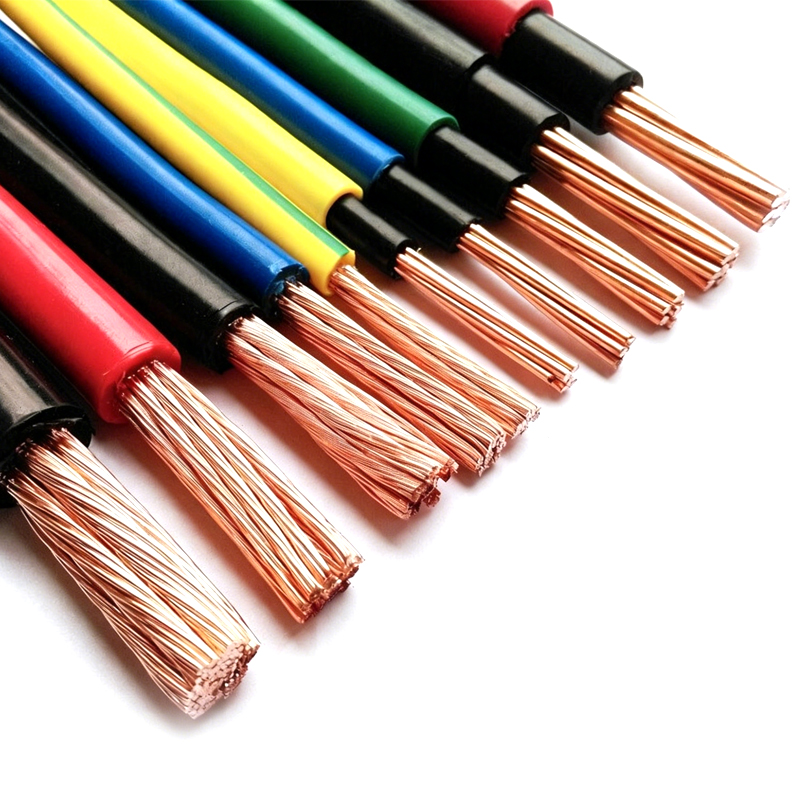
Soft/Annealed Copper Series (TJR/TJR1 Type): Treated through a specific annealing process to significantly enhance flexibility and bending fatigue resistance, facilitating installation and connection in confined spaces.
Tin-Plated Protective Layer (TJX/TJRX Type): Features a uniform tin coating on the copper wire surface, which not only effectively prevents oxidation in humid environments but also significantly improves soldering performance and corrosion resistance life.
Operating Characteristics & Performance Advantages
Superior Current-Carrying Capacity: The DC resistance of the conductor is strictly controlled within standard limits, effectively reducing energy loss and heat accumulation during high-current transmission.
Balance of Strength and Flexibility: The hard-drawn series provides reliable tensile strength, while the soft series offers excellent installation flexibility, adapting to environments with frequent vibration or movement.
Scientific Stranding Process: The concentric-lay stranding ensures a compact structure and a smooth, uniform surface, which optimizes the electric field distribution during operation.
Long-Term Operational Stability: Particularly for the tin-plated series, the product demonstrates excellent chemical stability in harsh industrial or coastal atmospheric environments, reducing long-term maintenance costs.
Core Application Areas
Overhead Transmission and Distribution: Hard copper stranded wire is widely used as conductors for urban and rural power lines and lightning protection systems.
Grounding Protection Engineering: Serves as the core lead-off wire for high-standard grounding grids, ensuring rapid discharge of fault currents and system safety.
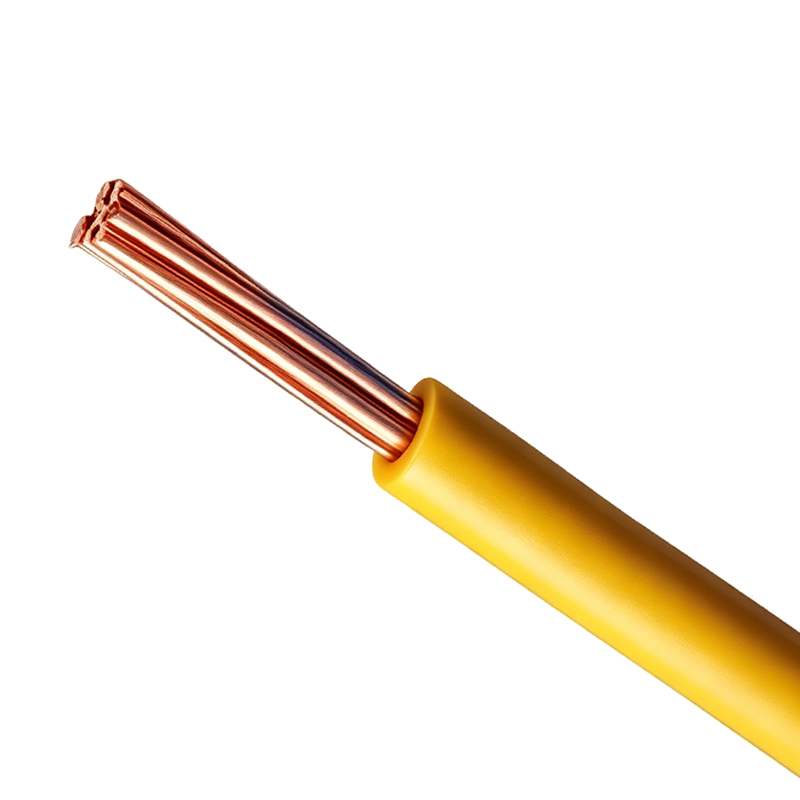
Electrical Equipment Connectivity: Soft and tin-plated stranded wires are commonly used for internal connections in transformers and motors, as well as power links for various low-voltage electrical apparatus.
Transportation and Industrial Distribution: Suitable for specialized scenarios requiring high conductivity reliability, such as rail transit traction power supply and internal wiring for switchgear cabinets.