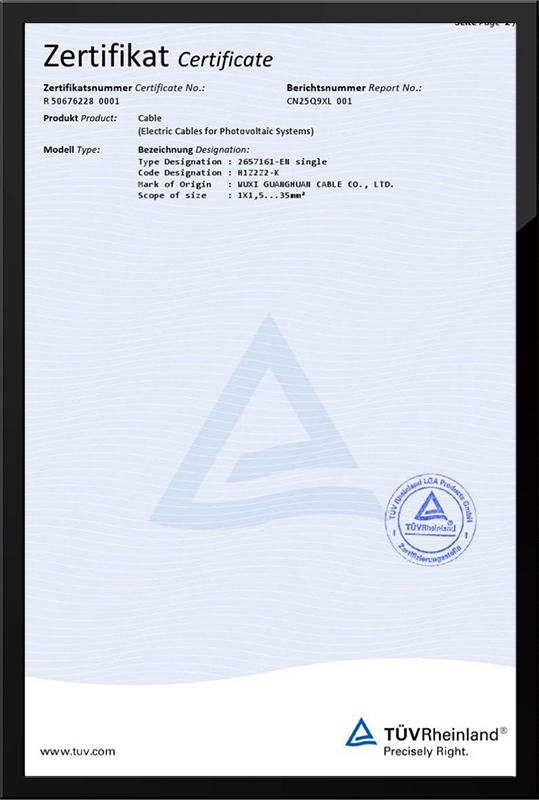
Product Standards
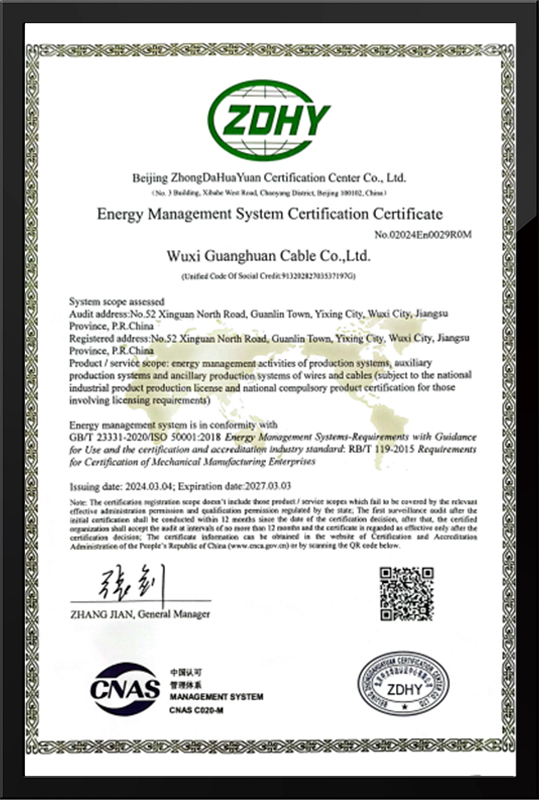
This product is manufactured in accordance with GB/T 31840-2025, and strict quality control procedures are implemented during design and manufacturing to ensure that the product performance meets the operational requirements of power systems.
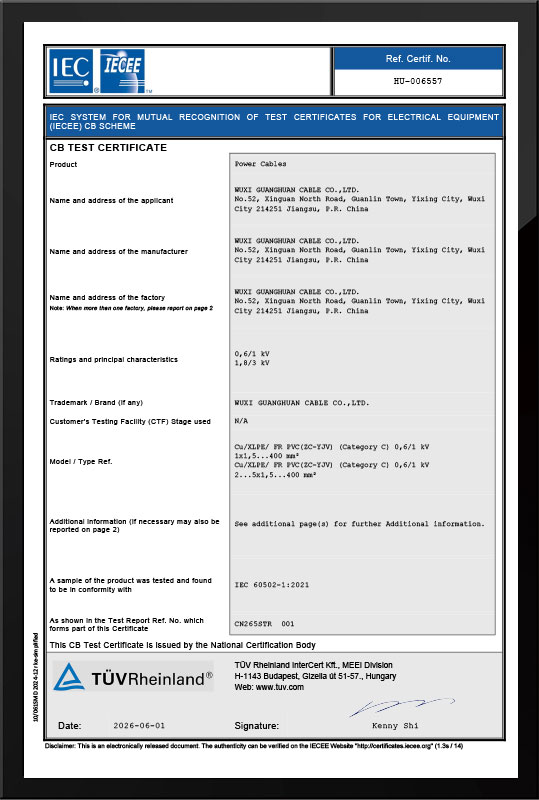
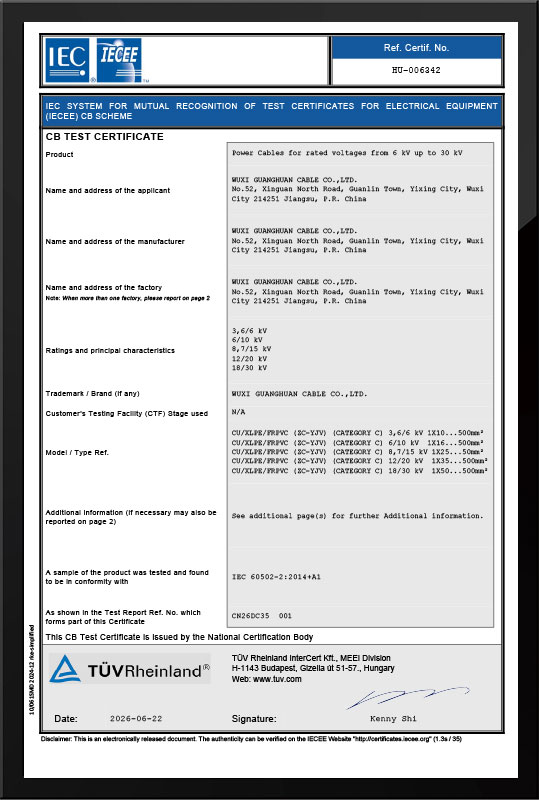
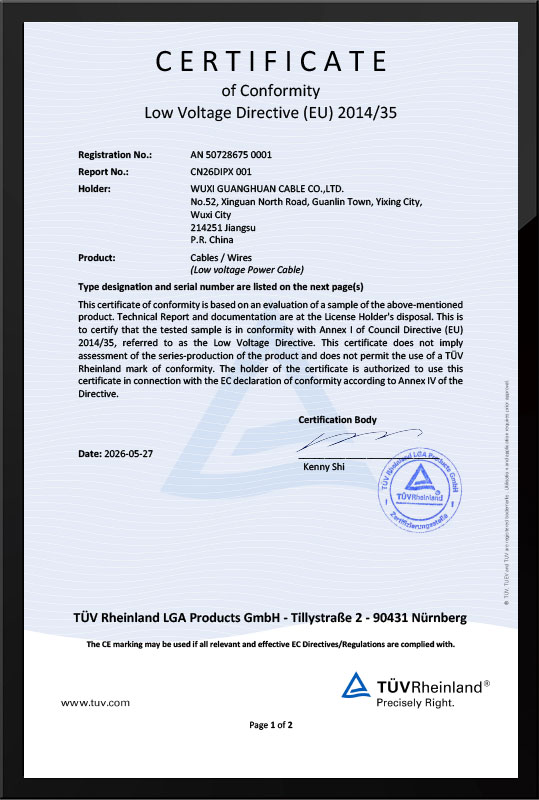
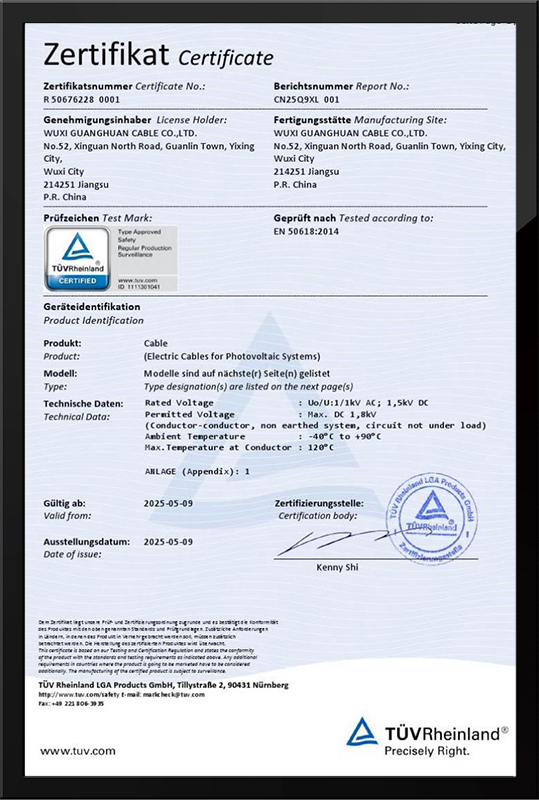
In addition, according to different regional or project technical requirements, the product can also be manufactured and tested based on International Electrotechnical Commission (IEC) standards, British standards, or American standards.
The capability to produce according to multiple standards enables the product to adapt to engineering projects in different countries and regions, making it suitable for international engineering construction, power infrastructure development, and industrial projects.
Product Structure and Material Characteristics
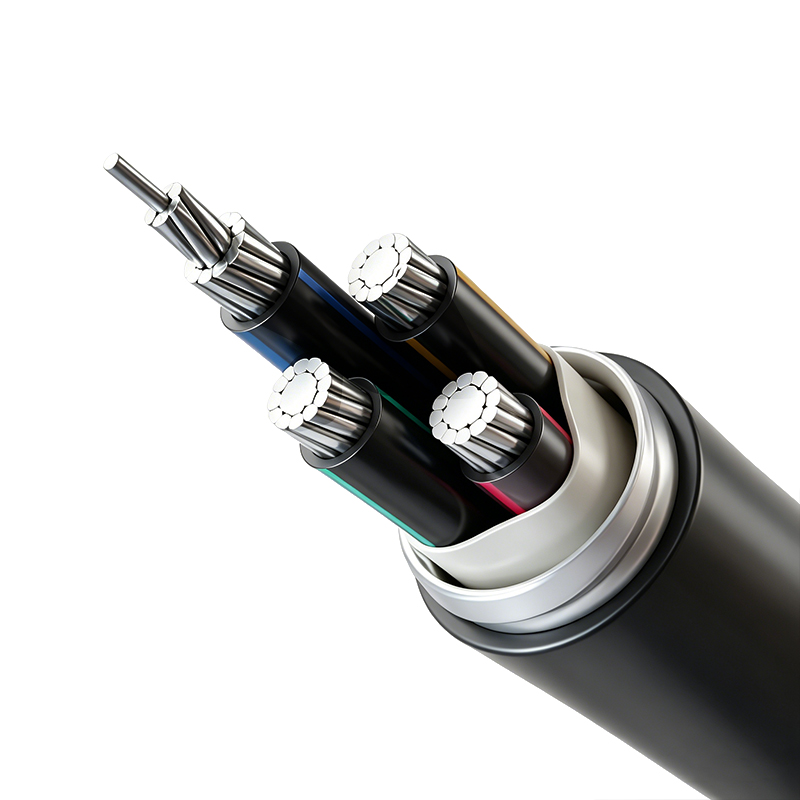
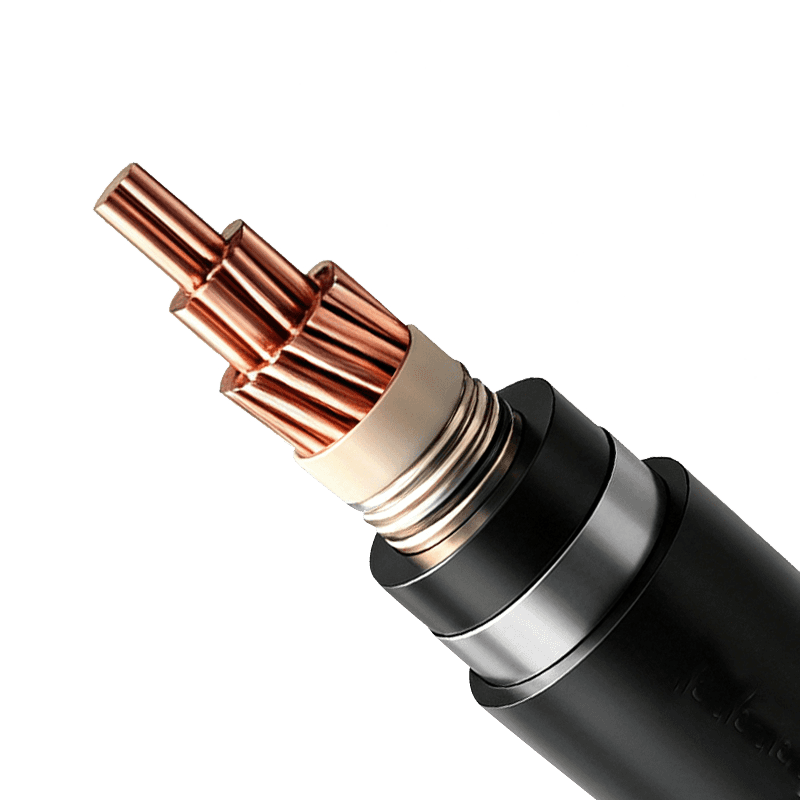
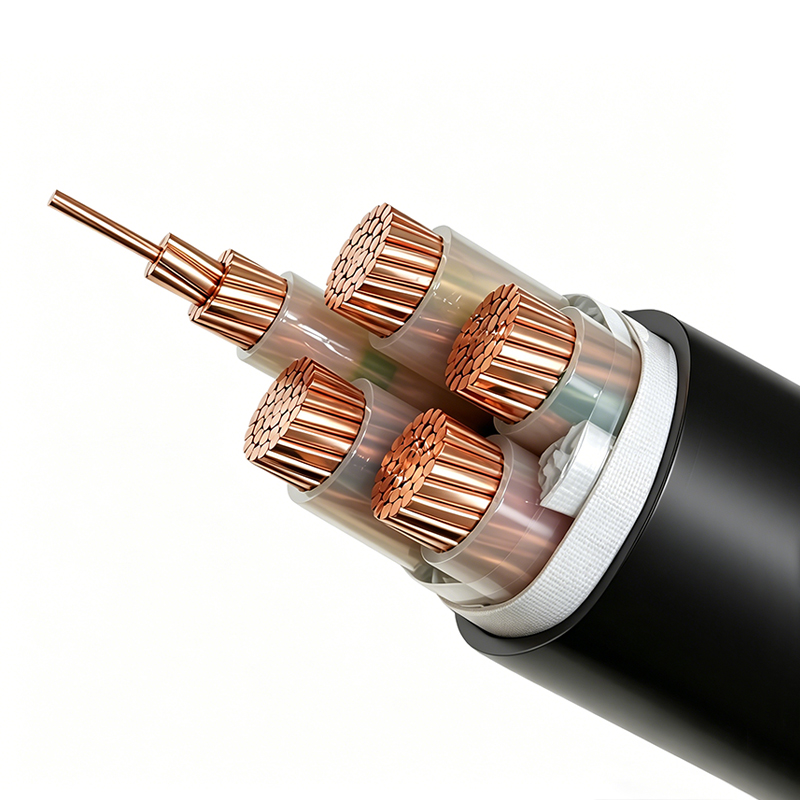
• Aluminum Alloy Conductor
The conductor is manufactured using aluminum alloy materials. Through optimized conductor structural design, the conductor provides stable electrical conductivity and mechanical strength. Aluminum alloy materials provide advantages in weight control, while maintaining stable electrical performance during long-term operation.
• Insulation Layer
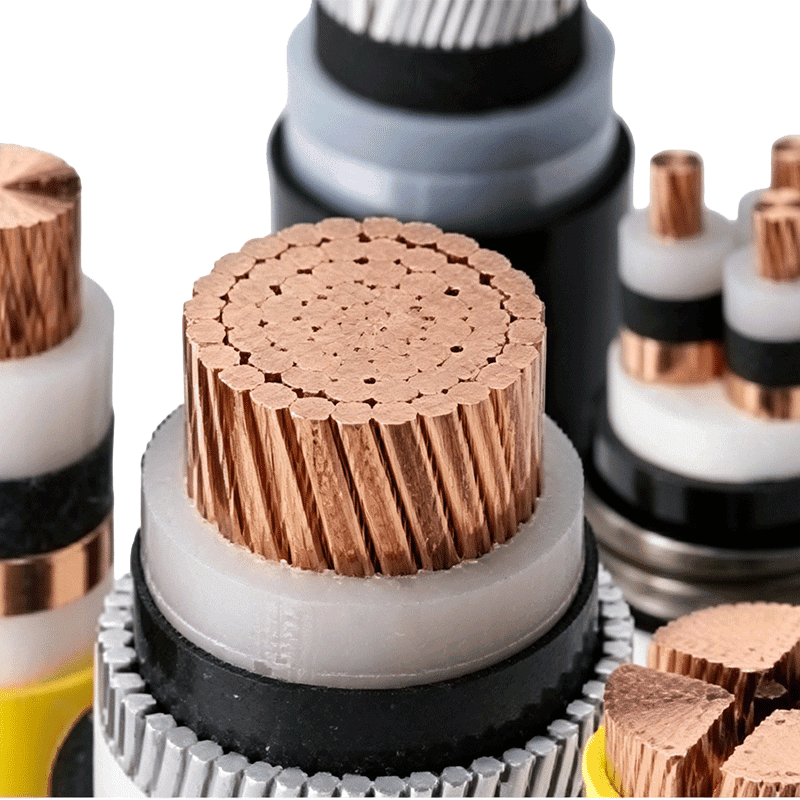
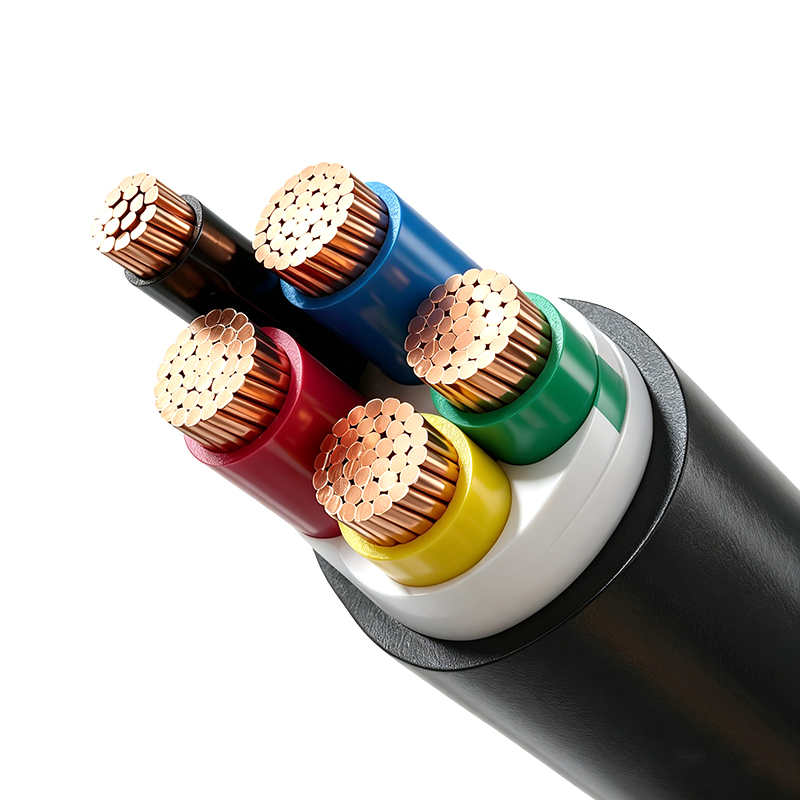
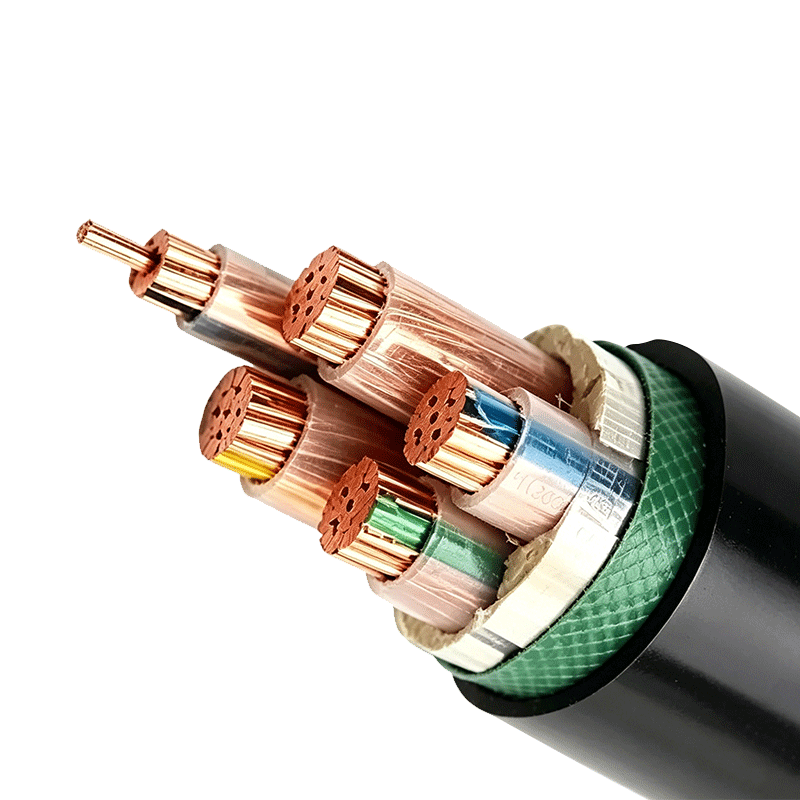
The insulation layer uses plastic insulation materials, commonly adopting a cross-linked polyethylene insulation structure. This material provides stable electrical insulation properties, heat resistance, and aging resistance, allowing the cable to operate under higher temperature conditions.
• Sheath Structure
The outer sheath adopts materials with good environmental resistance, providing effective protection for the internal cable structure. This enables the cable to maintain stable mechanical protection and environmental adaptability during installation and long-term service.
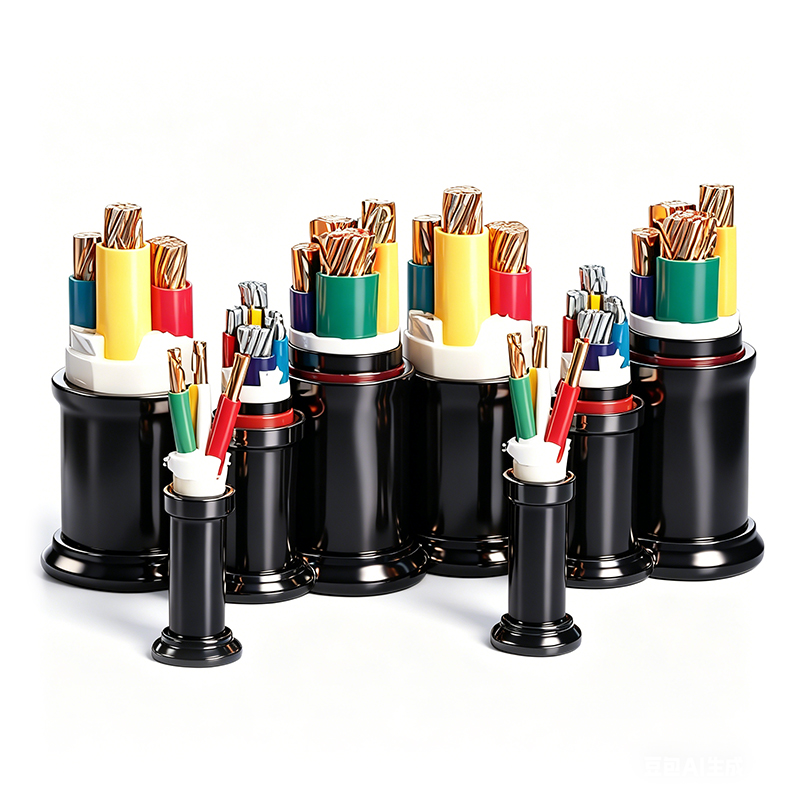
Through a rational structural design, the cable maintains a stable balance between electrical performance, mechanical strength, and environmental adaptability, allowing it to meet the requirements of various engineering applications.
Operating Characteristics
Cross-Linked Polyethylene Insulated Power Cable with Rated Voltage 3.6/6kV to 35kV
In medium-voltage power systems, cross-linked polyethylene insulated power cables provide stable electrical performance and reliable heat resistance. The main operating characteristics are as follows:
• The maximum permissible long-term operating temperature of the cable conductor is 90°C, maintaining stable conductivity during normal operation.
• Under short-circuit conditions, when the short-circuit duration does not exceed 5 seconds, the maximum allowable conductor temperature is 250°C, meeting the safety requirements of power systems under temporary fault conditions.
• During installation, the ambient temperature should not be lower than 0°C, ensuring that cable materials maintain appropriate mechanical performance and flexibility.
• Regarding bending radius requirements, the minimum bending radius of three-core cables is not less than 10 times the cable outer diameter, while single-core cables require a minimum bending radius not less than 15 times the cable outer diameter, maintaining structural integrity and operational reliability during installation.
Cross-Linked Polyethylene Insulated Power Cable with Rated Voltage 0.6/1kV
In low-voltage power distribution systems, cross-linked polyethylene insulated power cables also maintain stable operating performance. The main operating characteristics include:
• The maximum permissible long-term operating temperature of the cable conductor is 90°C, meeting the long-term operation requirements of low-voltage power systems.
• Under short-circuit conditions, when the duration does not exceed 5 seconds, the conductor temperature may reach 250°C.
• The ambient temperature during cable installation should not be lower than 0°C.
• The minimum bending radius is not less than 7 times the cable outer diameter, allowing the cable to maintain installation flexibility and construction convenience.
Application Fields
The aluminum alloy conductor plastic insulated power cable with rated voltage up to 26/35kV is suitable for a wide range of power transmission and distribution projects and construction applications. It is widely used in modern urban infrastructure and industrial production systems.
In building engineering, the cable can be used in power distribution systems for high-rise buildings, residential buildings, hotels, hospitals, theaters, conference centers, libraries, and museums.
In public facility infrastructure, the cable can be applied in power systems for government buildings, financial centers, broadcasting and television centers, and sports complexes.
In industrial and energy sectors, the cable is suitable for industrial and mining enterprises, petrochemical plants, power facilities, and steel smelting projects.
In transportation and infrastructure construction, the cable can be used in airports, tunnels, metro systems, light rail systems, underground parking facilities, and civil defense engineering structures.
In special engineering environments, the product may also be applied in ships, offshore oil platforms, large commercial complexes, shopping centers, and parking facilities.
With stable electrical performance and reliable structural design, this type of cable can meet the power transmission requirements of various engineering environments and infrastructure projects.




 English
 中文简体
中文简体 русский
 Español
 عربى
عربى