


 English
 中文简体
中文简体 русский
 Español
 عربى
عربى
What Should You Know About Insulated Power Cable Before Choosing One?
Content
What Is an Insulated Power Cable and Why Insulation Matters
An insulated power cable carries electrical current through one or more conductors that are wrapped in a non-conductive material designed to prevent current from leaking into surrounding materials, equipment, or people. The insulation layer does more than simply cover the conductor; it defines how much voltage the cable can safely carry, how it performs under heat, and how long it will last before the material degrades and creates a failure point. Choosing the right insulated power cable means understanding not just the ampacity a project needs, but also the environmental conditions the cable will face, since insulation material behaves very differently underground, in direct sunlight, or in a temperature-controlled indoor panel.
Key Components of an Insulated Power Cable
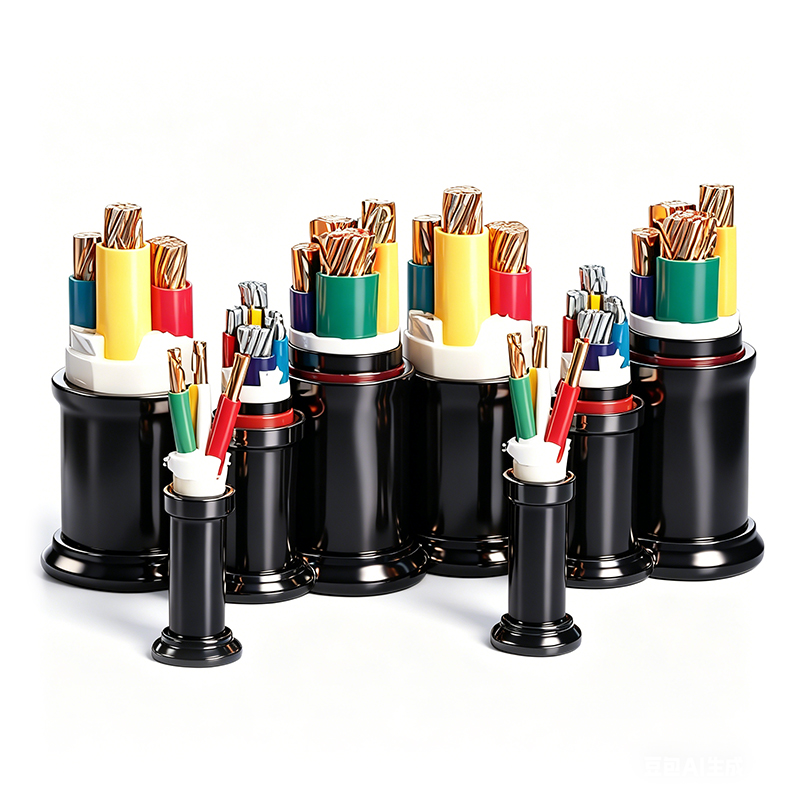
A finished insulated power cable is built from several layers working together, and understanding each layer helps explain why two cables with the same voltage rating can perform very differently in the field.
Conductor Material and Sizing
Copper and aluminum are the two dominant conductor materials. Copper offers higher conductivity for a given cross-sectional area, which allows smaller conductor sizes for the same current-carrying capacity, while aluminum is lighter and generally more cost-effective for larger installations, though it requires a larger cross-section to carry the same current. Conductor sizing is typically expressed in square millimeters or AWG, and undersizing a conductor for its expected load is one of the most common causes of overheating and premature insulation failure.
Insulation Material Types
The insulation layer directly surrounding the conductor is what earns the cable its "insulated" designation, and the material chosen affects temperature rating, flexibility, and chemical resistance. Cross-linked polyethylene (XLPE), polyvinyl chloride (PVC), and ethylene propylene rubber (EPR) are among the most common options, each with different trade-offs that are discussed further in the comparison below.
Sheathing and Armor Layers
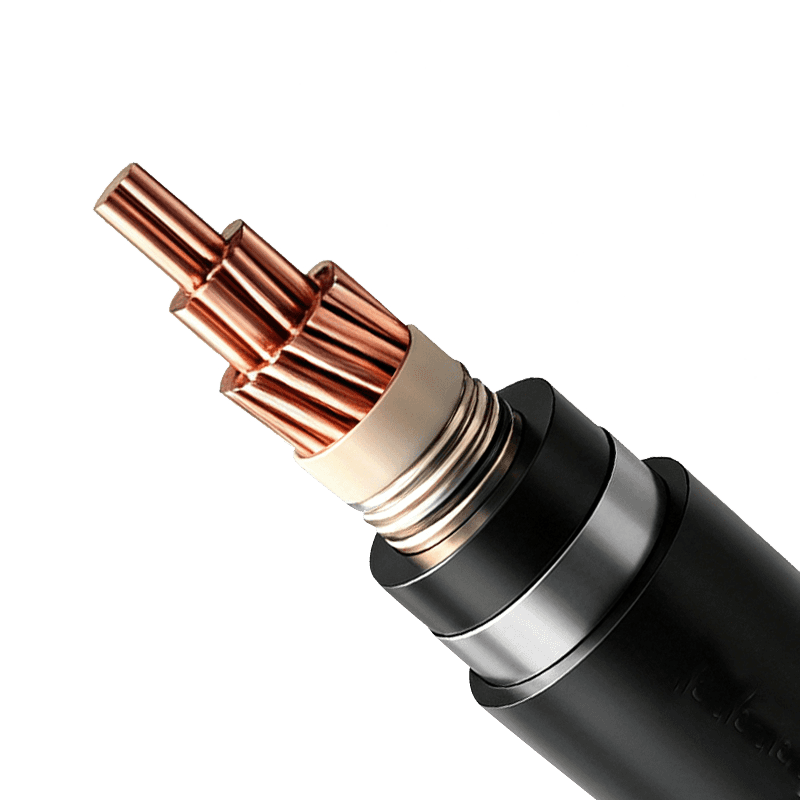
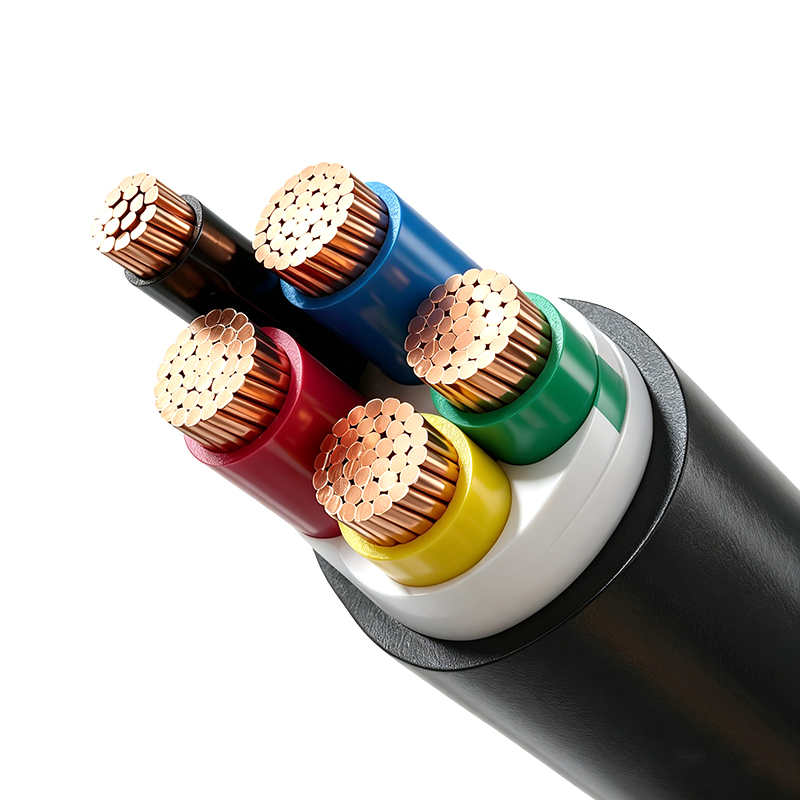
Beyond the primary insulation, many power cables include an outer sheath for mechanical and environmental protection, and in some cases a metallic armor layer made of steel wire or tape for cables that will be direct-buried or exposed to physical impact. The sheath protects the insulation underneath from UV exposure, moisture ingress, and abrasion, while armor adds resistance to crushing forces and rodent damage in underground or industrial installations.
Common Insulation Types Compared
The table below summarizes how the most common insulation materials compare across the properties that matter most when specifying a cable for a given project.
| Insulation Type | Max Operating Temp | Typical Use |
| XLPE | 90°C continuous | Medium and high voltage distribution, underground feeders |
| PVC | 70°C continuous | General building wiring, low voltage applications |
| EPR | 90°C continuous | Flexible cables, mining and marine applications |
| Rubber | 60-85°C depending on grade | Portable cords, welding cables, flexible connections |
Selecting the Right Insulated Power Cable
Specifying the correct cable requires more than checking a voltage rating on a datasheet. Buyers and engineers should confirm the following before finalizing a cable choice:
- Rated voltage and whether the application is low, medium, or high voltage, since insulation thickness scales directly with voltage class.
- Expected ambient and conductor operating temperature, including any derating needed for grouped cables or high-temperature environments.
- Installation environment, such as direct burial, conduit, cable tray, or exposure to chemicals, oil, or UV light.
- Mechanical protection requirements, including whether armoring is needed for buried runs or industrial settings with physical impact risk.
- Applicable local and international standards, such as IEC 60502 or relevant national electrical codes, which govern testing and certification requirements.
Installation and Safety Considerations
Even a correctly specified cable can fail prematurely if installation practices do not respect the manufacturer's guidelines. Bending radius limits should always be observed, since bending a cable more tightly than its rated minimum radius can crack the insulation or damage internal conductor strands, creating a weak point that may not fail immediately but will degrade faster than the rest of the run. Pulling tension during installation should also stay within the cable's rated limits, particularly for longer conduit runs where friction and tension accumulate over distance. For underground installations, proper bedding material, depth of burial, and warning tape placement all help protect the cable from future excavation damage. Finally, cables should be tested after installation, typically with insulation resistance and, for higher voltage cables, high-potential (hipot) testing, to confirm the insulation was not compromised during handling or installation before the circuit is energized for regular use.
-
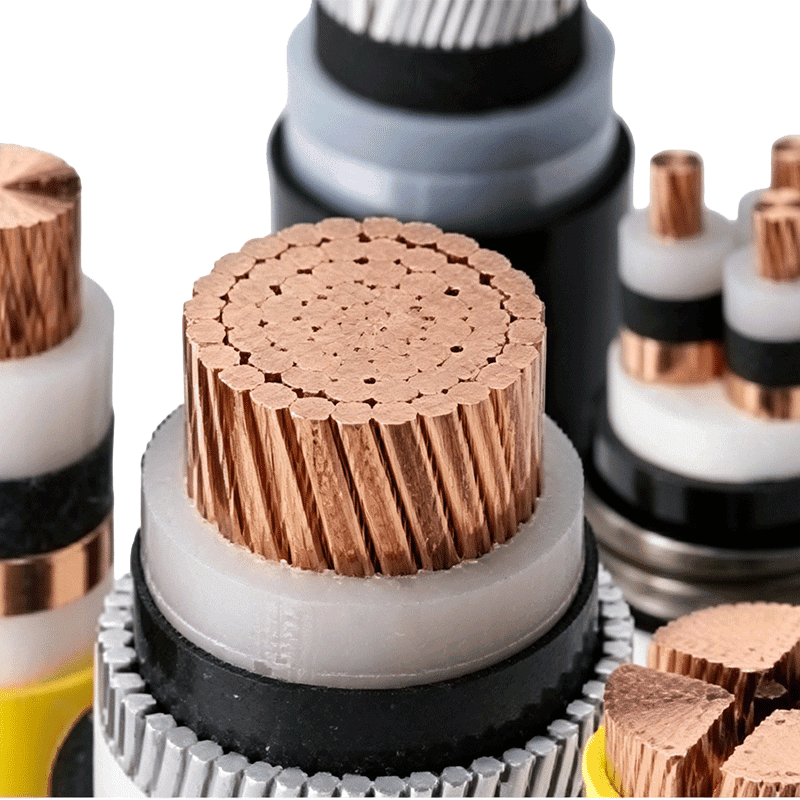
Rated Voltage 3.6/6kV–26/35kV XLPE Insulated Power Cable
-
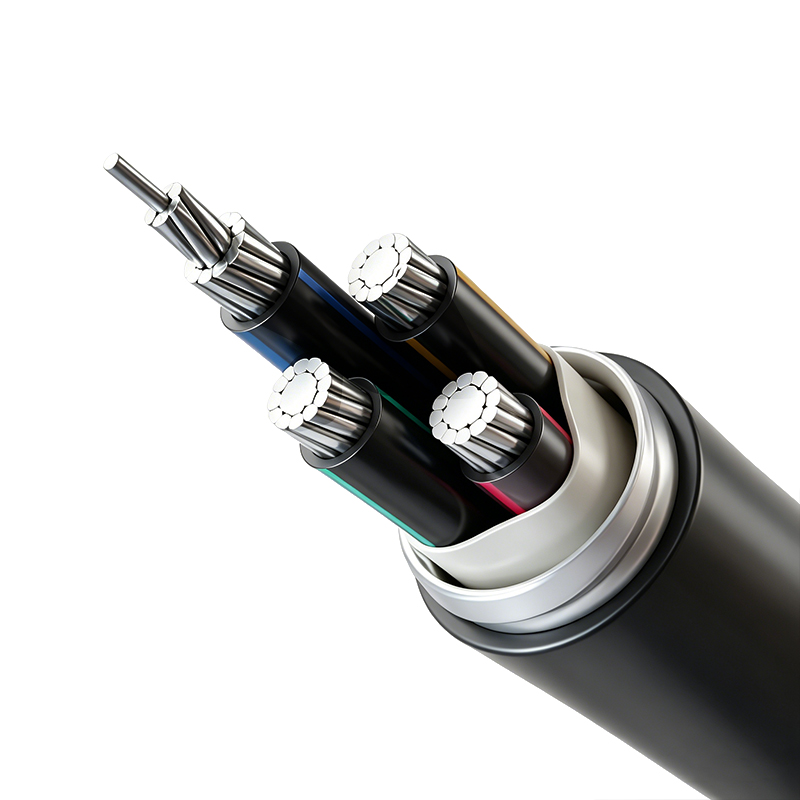
Aluminum Alloy Conductor Plastic Insulated Power Cable (Rated Voltage up to 26/35kV)
-
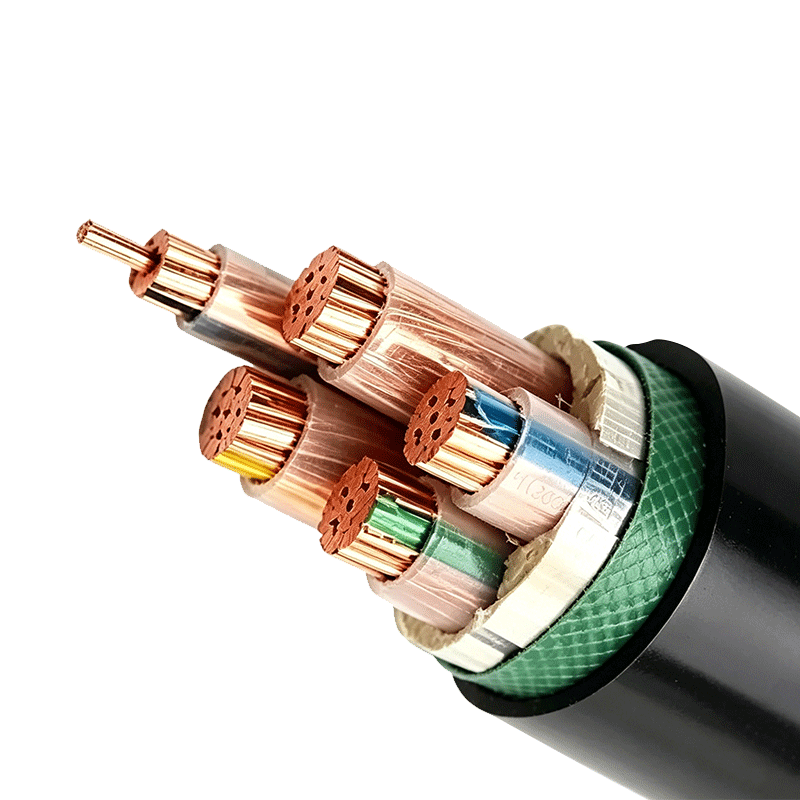
Rated Voltage 0.6/1kV XLPE Insulated Power Cable
-
Power Cable for Subway and Urban Rail Transit (Rated Voltage 35kV)
-
Rated Voltage 1.8/3kV PVC Insulated Power Cable

Copyright © Wuxi Guanghuan Cable Co., Ltd. All Rights Reserved. Power Cables Manufacturer Electrical Wire And Cable Factory

