


 English
 中文简体
中文简体 русский
 Español
 عربى
عربى
How Do You Choose the Right Electrical Equipment Cables for Industrial Machinery?
Content
- 1 What Are Electrical Equipment Cables?
- 2 Core Categories of Electrical Equipment Cables
- 3 Essential Features That Define Equipment Cable Performance
- 4 Choosing the Right Cable for Industrial Applications
- 5 Common Applications Across Industries
- 6 Installation Best Practices for Equipment Cables
- 7 Maintenance and Troubleshooting Tips
What Are Electrical Equipment Cables?
Electrical equipment cables are specialized cables designed to connect, power, and control machinery, appliances, and industrial equipment. Unlike general power distribution cables that primarily move electricity from a source to a building or panel, equipment cables are built to handle the specific demands of the devices they serve, including frequent movement, exposure to oils or chemicals, vibration, and varying temperature conditions.
These cables are found in manufacturing plants, control panels, robotics, HVAC systems, and countless other applications where equipment needs a dependable and durable connection to a power source or control system. Because the operating environment for equipment cables can be far more demanding than standard building wiring, selecting the correct cable type is essential for safety, efficiency, and equipment longevity.
Core Categories of Electrical Equipment Cables
Equipment cables come in several distinct categories, each engineered for a particular function within a machine or system. Understanding these categories helps ensure the right cable is matched to the right application.
| Cable Category | Primary Function | Common Use Case |
| Control Cables | Transmit low-voltage signals | Automation systems, sensors |
| Motor Lead Cables | Deliver power directly to motors | Pumps, conveyors, compressors |
| Flexible Cords | Allow movement and flexing | Portable tools, robotic arms |
| Instrumentation Cables | Carry precise measurement signals | Sensors, monitoring equipment |
| Panel and Appliance Wiring Cables | Internal connections within enclosures | Control panels, switchgear |
Each category is engineered with specific conductor counts, shielding options, and insulation properties suited to its role, whether that means carrying heavy motor loads or transmitting delicate control signals without interference.
Essential Features That Define Equipment Cable Performance
Selecting the right electrical equipment cable requires evaluating several performance characteristics beyond simple current-carrying capacity. These features determine how well a cable will hold up in its intended operating environment.
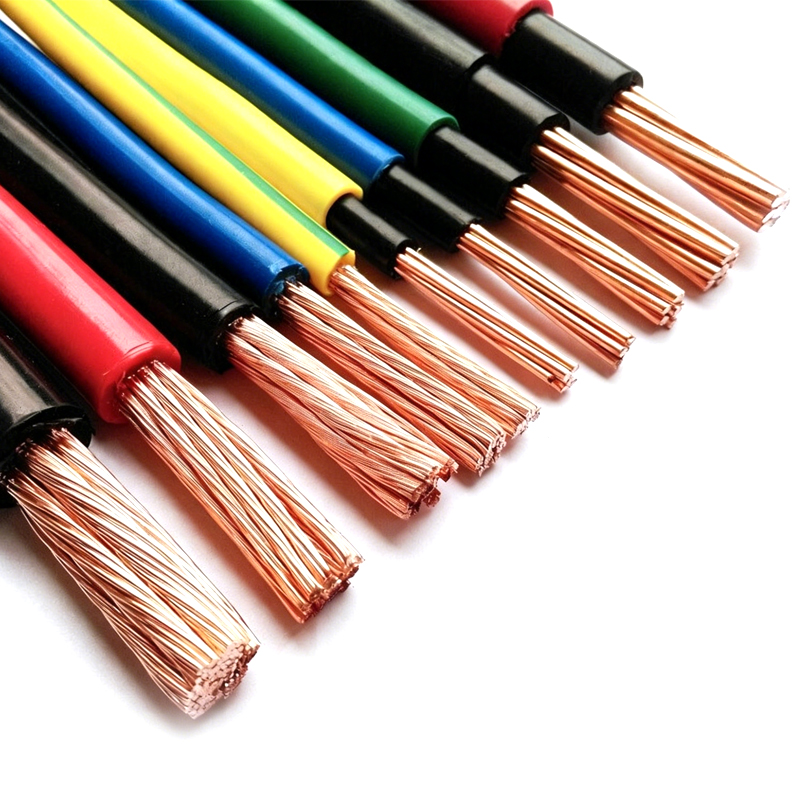
Flexibility and Flex Life
Many equipment cables must endure repeated bending or flexing, particularly in robotics, conveyor systems, or cable-carrier applications. Cables designed for this purpose use finely stranded conductors and flexible insulation compounds that resist cracking or fatigue failure over millions of flex cycles.
Shielding for Signal Integrity
Control and instrumentation cables often require shielding, such as foil or braided copper layers, to protect signals from electromagnetic interference generated by nearby motors, variable frequency drives, or high-voltage equipment. Without proper shielding, signal noise can cause erratic equipment behavior or false readings.
Chemical and Oil Resistance
In industrial settings where cables are exposed to lubricants, solvents, or cutting fluids, jacket materials such as thermoplastic elastomer or specially formulated PVC compounds are used to prevent swelling, cracking, or degradation from chemical contact.
Choosing the Right Cable for Industrial Applications
When specifying electrical equipment cables for industrial or commercial machinery, several practical considerations should guide the selection process to avoid premature failure or safety risks.
- Operating temperature range: Confirm the cable's rated temperature matches the environment, including any heat generated by nearby equipment.
- Movement requirements: Determine whether the cable will remain stationary or needs to withstand continuous flexing or torsion.
- Voltage and current demands: Match conductor size and insulation rating to the equipment's electrical load specifications.
- Exposure conditions: Account for moisture, chemicals, UV exposure, or abrasive surfaces the cable may contact.
- Regulatory compliance: Verify the cable meets applicable standards such as UL, CSA, or IEC certifications for the intended application.
Taking the time to evaluate these factors during the design or procurement phase helps prevent downtime caused by cable failure and reduces the likelihood of costly rework after installation.
Common Applications Across Industries
Electrical equipment cables serve a wide variety of sectors, each with unique demands that shape which cable types are most appropriate.
Manufacturing and Automation
Automated production lines rely heavily on control cables and flexible cords to connect sensors, actuators, and robotic components. These cables often need to withstand constant motion while maintaining reliable signal transmission for precise machine coordination.
HVAC and Building Systems
Heating, ventilation, and air conditioning systems use equipment cables to connect thermostats, compressors, and fans. These applications typically require cables with good temperature resistance, since they may run near heat-generating components.
Renewable Energy Systems
Solar inverters, wind turbine controls, and battery storage systems depend on equipment cables rated for outdoor exposure, UV resistance, and often direct burial, given that much of this infrastructure operates in open, weather-exposed environments.
Installation Best Practices for Equipment Cables
Proper installation is just as important as selecting the right cable type. Poor installation practices can shorten cable life even when the correct product has been specified.
- Avoid sharp bends that exceed the manufacturer's minimum bend radius, which can damage internal conductors or shielding.
- Use appropriate strain relief at connection points to prevent tension from being transferred directly to terminals.
- Route cables away from sharp edges, high-heat sources, or areas with excessive vibration whenever possible.
- Label cables clearly at both ends to simplify future troubleshooting and maintenance work.
Following these practices during installation helps ensure that equipment cables perform reliably throughout their expected service life, reducing the risk of unexpected failures that can halt production or disrupt operations.
Maintenance and Troubleshooting Tips
Routine inspection and maintenance help extend the working life of electrical equipment cables and catch potential problems before they cause equipment downtime.
- Regularly inspect cable jackets for cracking, discoloration, or signs of wear, particularly at flex points and connection terminals.
- Test insulation resistance periodically on critical circuits to identify early signs of degradation.
- Check for loose or corroded terminations, which can create resistance and generate excess heat.
- Replace cables showing signs of significant wear rather than attempting repairs on heavily damaged sections.
By combining careful cable selection, proper installation techniques, and consistent maintenance, facilities can significantly reduce equipment downtime and maintain safe, efficient operations across their electrical systems for years to come.

Copyright © Wuxi Guanghuan Cable Co., Ltd. All Rights Reserved. Power Cables Manufacturer Electrical Wire And Cable Factory

