


 English
 中文简体
中文简体 русский
 Español
 عربى
عربى
How Does XLPE/PVC Insulated Power Cable Compare for Reliable Power Distribution?
Content
- 1 What Is XLPE/PVC Insulated Power Cable?
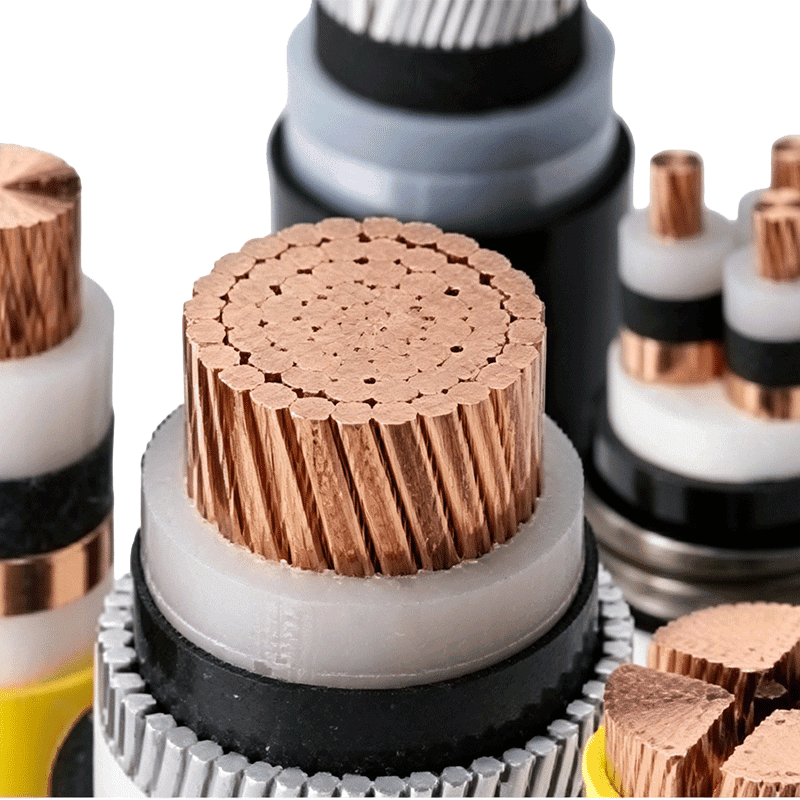
- 2 Construction and Layered Design
- 3 Key Electrical and Mechanical Properties
- 4 Typical Applications of XLPE/PVC Cables
- 5 Advantages Over Other Insulation Combinations
- 6 Installation Considerations for XLPE/PVC Cables
- 7 Testing and Quality Verification
- 8 Maintenance and Long-Term Care
What Is XLPE/PVC Insulated Power Cable?
XLPE/PVC insulated power cable is a type of electrical cable that combines two distinct materials to achieve both performance and cost efficiency. The conductor is typically wrapped in Cross-Linked Polyethylene (XLPE) as the primary insulation layer, while Polyvinyl Chloride (PVC) is used as the outer sheath or jacket. This combination leverages the electrical strength of XLPE with the mechanical protection and flexibility of PVC, resulting in a cable that performs reliably across a wide range of power distribution applications.
These cables are widely used in underground distribution networks, industrial facilities, commercial buildings, and utility infrastructure because they offer a balance between electrical performance, durability, and affordability. Understanding how this cable is constructed and where it performs best helps engineers, contractors, and procurement teams make informed decisions when specifying cables for a project.
Construction and Layered Design
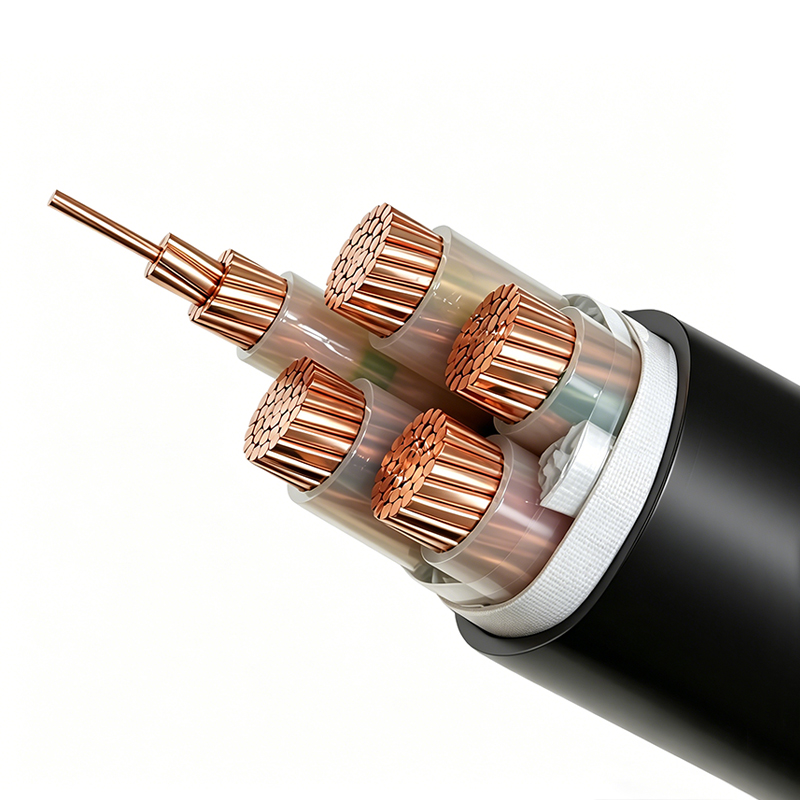
The performance of XLPE/PVC insulated power cable comes from its multi-layer construction, where each layer serves a specific function. Understanding these layers helps clarify why this cable type is so widely trusted for medium and high voltage applications.
Conductor
The core conductor is usually made of copper or aluminum, chosen based on conductivity requirements, weight considerations, and budget. Copper conductors offer higher conductivity and are more compact for a given current rating, while aluminum conductors are lighter and more economical for larger cross-sections.
XLPE Insulation Layer
Surrounding the conductor is the XLPE insulation, formed through a cross-linking process that creates strong molecular bonds within the polyethylene. This process significantly improves the material's resistance to heat, electrical stress, and environmental degradation compared to standard thermoplastic insulation.
PVC Outer Sheath
The outermost layer is a PVC jacket that protects the internal insulation and conductor from mechanical damage, moisture, and chemical exposure. PVC is valued for its flexibility, ease of installation, and resistance to abrasion, making it a practical choice for the cable's outer protective layer.
Key Electrical and Mechanical Properties
The combination of XLPE and PVC gives this cable type a distinct set of performance characteristics that make it suitable for demanding power distribution environments.
| Property | XLPE Insulation | PVC Sheath |
| Max Continuous Operating Temp | 90°C | 70°C |
| Short Circuit Temp Rating | 250°C | N/A |
| Moisture Resistance | Excellent | Good |
| Flexibility | Moderate | High |
| Chemical Resistance | Good | Very Good |
This combination allows the cable to handle higher operating temperatures internally while maintaining a durable, weather-resistant, and flexible exterior, making installation and long-term performance more manageable across diverse conditions.
Typical Applications of XLPE/PVC Cables
Because of their balanced properties, XLPE/PVC insulated power cables are used across a broad range of industries and infrastructure projects. Common applications include the following.
- Underground power distribution networks in urban and suburban areas.
- Industrial plants requiring reliable power feeds to heavy machinery and equipment.
- Commercial buildings and high-rise structures for main power feeders.
- Renewable energy installations, including solar farms and wind power connections.
- Utility substations and medium voltage distribution feeders.
These cables are especially favored in situations where cables must be buried directly in soil or run through ducts, since the PVC jacket provides adequate protection against ground moisture and minor mechanical stress during and after installation.
Advantages Over Other Insulation Combinations
When compared to fully PVC-insulated cables or other insulation types, XLPE/PVC cables offer several practical advantages that make them a preferred choice for many power distribution projects.
Higher Current Carrying Capacity
Because XLPE can tolerate higher continuous operating temperatures than PVC alone, cables with XLPE insulation can often carry more current through the same conductor size, which can reduce material costs on larger installations.
Improved Long-Term Durability
XLPE's cross-linked molecular structure resists thermal aging and deformation better than standard thermoplastics, helping the cable maintain its insulating properties over a longer service life, even under continuous electrical and thermal stress.
Practical Cost Balance
Using PVC for the outer sheath rather than a more expensive material keeps overall cable costs reasonable while still providing solid mechanical and environmental protection, making this combination a cost-effective middle ground between economy cables and premium fully cross-linked designs.
Installation Considerations for XLPE/PVC Cables
Proper installation practices are essential to ensure XLPE/PVC insulated power cables perform as expected throughout their service life. Several factors should be addressed during planning and installation.
- Bending radius: Exceeding the manufacturer's recommended minimum bending radius can stress the insulation and reduce cable lifespan.
- Trenching depth: Direct burial installations should follow local code requirements for burial depth to protect against surface damage.
- Pulling tension: Cables should be pulled within rated tension limits to avoid damaging internal conductors during installation through ducts or conduits.
- Temperature during installation: PVC jackets can become stiff in cold weather, so installers should account for temperature limits when handling cables in low ambient conditions.
Following manufacturer guidelines and relevant national or international wiring codes during installation helps prevent premature failures and ensures the cable performs reliably under its rated load conditions.
Testing and Quality Verification
Before and after installation, XLPE/PVC insulated power cables should undergo testing to confirm insulation integrity and overall electrical performance. Common tests include insulation resistance testing, high-voltage withstand testing, and partial discharge testing for medium voltage applications.
Reputable manufacturers typically provide test certificates confirming compliance with relevant standards such as IEC 60502 or equivalent national specifications. Requesting and reviewing these certificates during procurement helps buyers confirm that the cables meet the required electrical and safety benchmarks for their specific application before deployment.
Maintenance and Long-Term Care
Although XLPE/PVC cables are designed for long-term, low-maintenance operation, periodic checks help catch potential issues before they escalate into failures. Facility managers and electrical teams should incorporate the following practices into routine maintenance schedules.
- Periodically inspect accessible cable sections for jacket cracking, discoloration, or signs of overheating at termination points.
- Monitor load levels to confirm cables are operating within their rated ampacity, particularly after equipment upgrades or load changes.
- Conduct periodic insulation resistance testing on critical circuits to detect early signs of insulation degradation.
- Ensure cable joints and terminations remain properly sealed to prevent moisture ingress over time.
With appropriate selection, correct installation, and routine inspection, XLPE/PVC insulated power cables can provide dependable electrical performance for decades, making them a practical and trusted choice across residential, commercial, industrial, and utility power distribution projects.


Copyright © Wuxi Guanghuan Cable Co., Ltd. All Rights Reserved. Power Cables Manufacturer Electrical Wire And Cable Factory

