


 English
 中文简体
中文简体 русский
 Español
 عربى
عربى
What is the difference between high voltage cables and low voltage cables?
In order to help you deeply understand the differences between high-voltage and low-voltage cables, the structural characteristics and core differences between the two are systematically organized as follows, giving you an accurate insight into the professional points.
1. Structural analysis of high-voltage and low-voltage cables
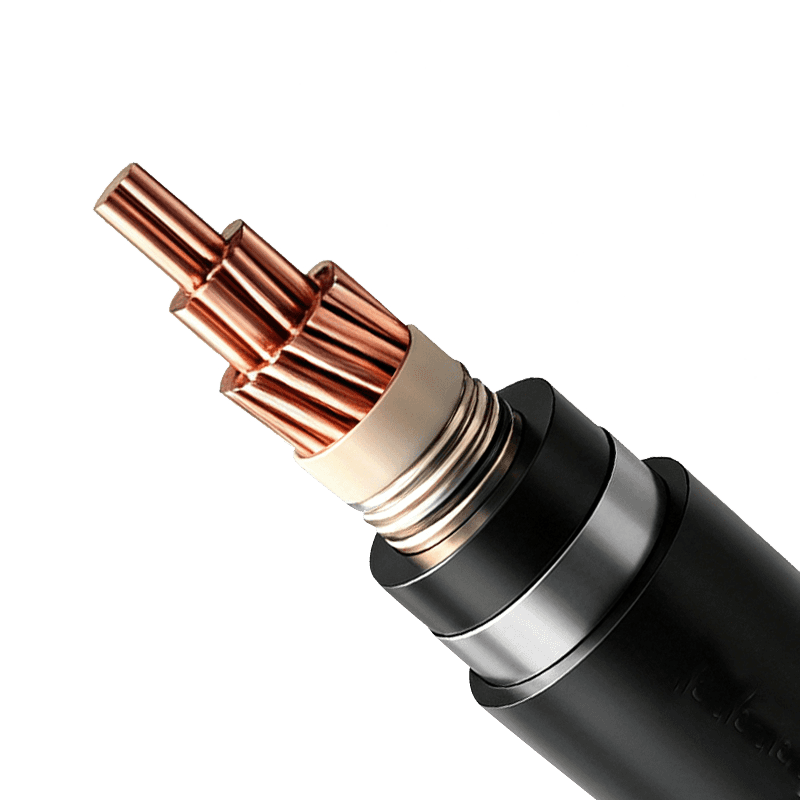
High-voltage cable: Its structure from the inside to the outside is a conductor, an inner semiconductor layer, an insulating layer, an outer semiconductor layer, a metal armor, and a sheath layer. The structure is rigorous and the structure is precise.
Low-voltage cable: The structure covers conductors, insulation layers, steel strips (some low-voltage cables do not have steel strip configuration) and sheaths from the inside out. The overall structure is relatively simple.
The core difference between the two is significant: compared with low-voltage cables, high-voltage cables have additional semiconductor layers and shielding layers. This structural feature not only makes the insulation layer of high-voltage cables much thicker than low-voltage cables, but also makes its overall structure more complex and requires more stringent production processes.
2. Function analysis of key structures
(1) Semiconductor layer
Inner semiconductor layer: The core function is to optimize the electric field distribution. In view of the gap between the conductor and the insulation layer of high-voltage cables, it is easy to cause partial discharge, thereby causing damage to the insulation layer. To this end, a semiconductor material shielding layer is added between the metal conductor and the insulating layer to play a transitional role and effectively avoid the risk of partial discharge.
Outer semiconductor layer: The function is the same as that of the inner semiconductor layer. It is designed to prevent partial discharge between the insulation layer and the metal sheath and ensure the stability of the cable operation.
(2) Shielding layer
The core role of the metal shielding layer of high-voltage cables is reflected in three aspects:
1. Electric field shielding: High-voltage cables operate at high voltages and generate strong electric fields. The shielding layer can effectively block electric fields, prevent high-voltage cables from causing electromagnetic interference to the external environment, and ensure the stable operation of peripheral equipment.
2. Capacitive current conduction: The inner layer of the high-voltage cable is a conductor, separated by an insulating layer in the middle, and the outer layer is a metal sheath. The overall structure can be compared to a capacitor structure. Under the action of alternating current, the capacitor will continue to charge and discharge, and the shielding layer provides a stable circuit for the capacitor to charge and discharge, ensuring smooth current transmission. It should be noted that the metal shielding layer and metal armor of high-voltage cables must be grounded at one end to ensure safe operation.
3. Short-circuit current channel: When the insulation layer of the high-voltage cable is damaged, if there is no shielding layer, the leakage current will leak directly to the earth, posing serious safety hazards. The existence of the shielding layer can guide the leakage current to be safely introduced into the earth through the shielding layer, effectively avoiding risks.
3. How to identify high-voltage and low-voltage cables
1. Structural determination: High-voltage cables have rich layers. After peeling off the outer layer, you can clearly see the multi-layer structure such as armor, shielding layer, insulation layer and conductor. After peeling off the outer layer of low-voltage cables, usually only the insulation layer or wires are visible, and the structure is relatively simple.
2. Comparison of insulation layer thickness: The thickness of the insulation layer of low-voltage cables is generally controlled within 3 mm, while the thickness of the insulation layer of high-voltage cables is generally more than 5 mm. The thickness difference between the two is obvious.
3. Nameplate parameter identification: Detailed parameter information is printed on the outer layer of the cable, covering key indicators such as cable model, cross-sectional area, rated voltage, length, etc. By consulting the nameplate parameters, high-voltage and low-voltage cables can be accurately distinguished.
Through the above professional interpretation, I believe you have formed a more profound and comprehensive understanding of the differences between high-voltage and low-voltage cables. If you have any cooperation needs or consultation intentions about our wire and cable products, please feel free to contact Halo Cable online customer service at any time. We will wholeheartedly provide you with professional services.
-
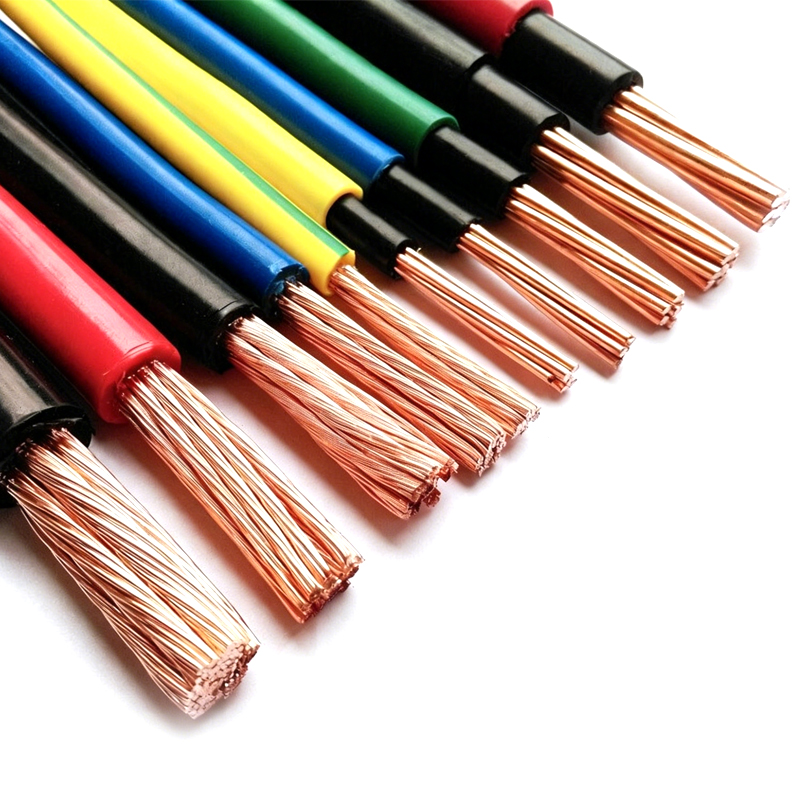
Cross-linked Polyolefin (XLPO) Insulated Wire and Cable (Rated Voltage 450/750V and below)
-
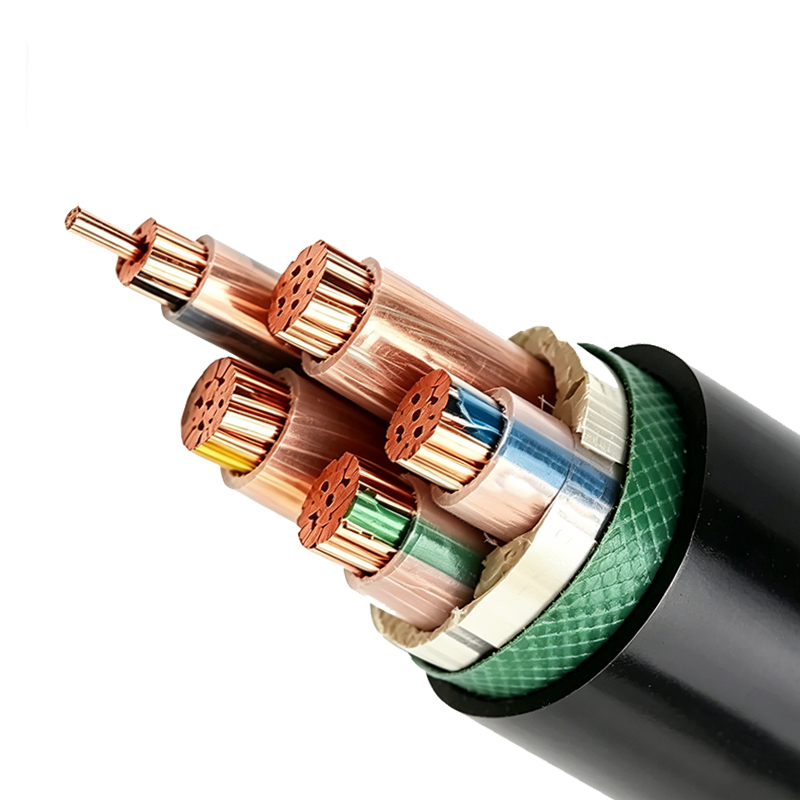
Termite and Rodent Resistant Cable
-
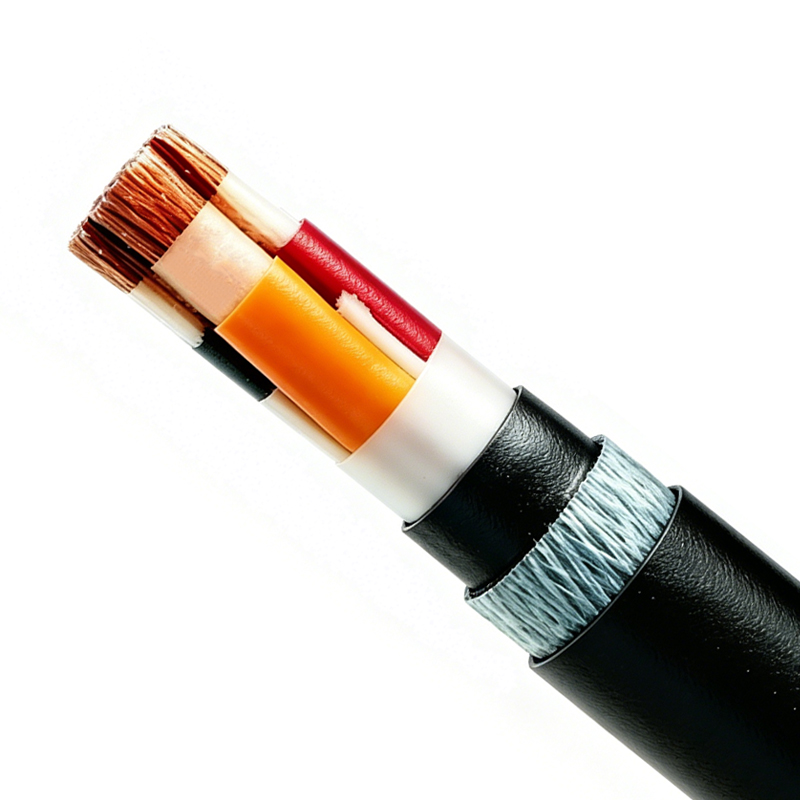
Flame-Retardant and Fire-Resistant Cable Series
-
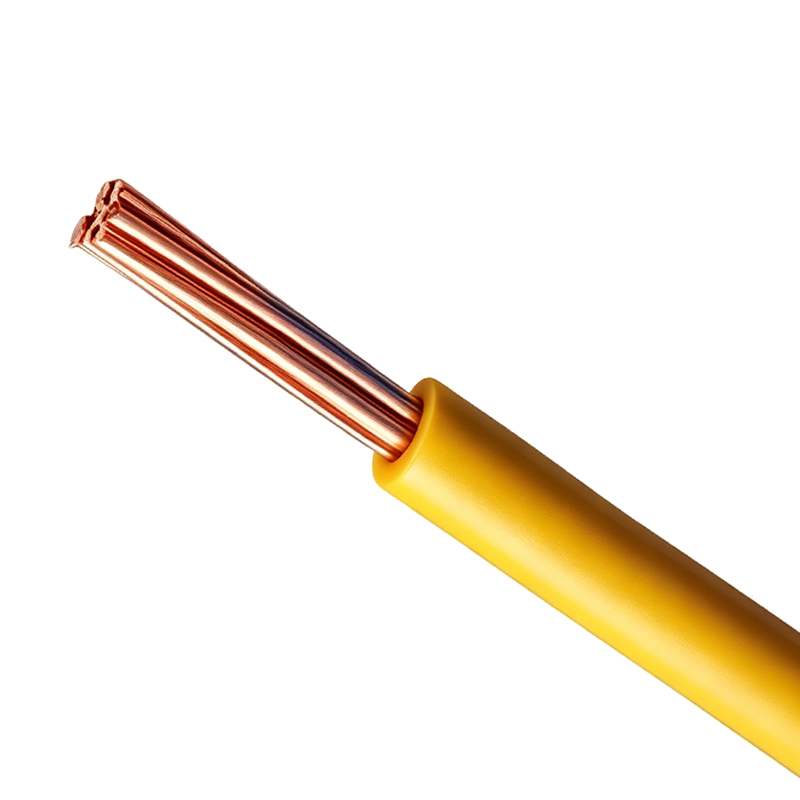
PVC Insulated Cable and Wire (Rated Voltage 450/750V and below)
-
Power Cable for Subway and Urban Rail Transit (Rated Voltage 35kV)

Copyright © Wuxi Guanghuan Cable Co., Ltd. All Rights Reserved. Power Cables Manufacturer Electrical Wire And Cable Factory

