


 English
 中文简体
中文简体 русский
 Español
 عربى
عربى
Key points of quality control in the stranding process of wire and cable manufacturing
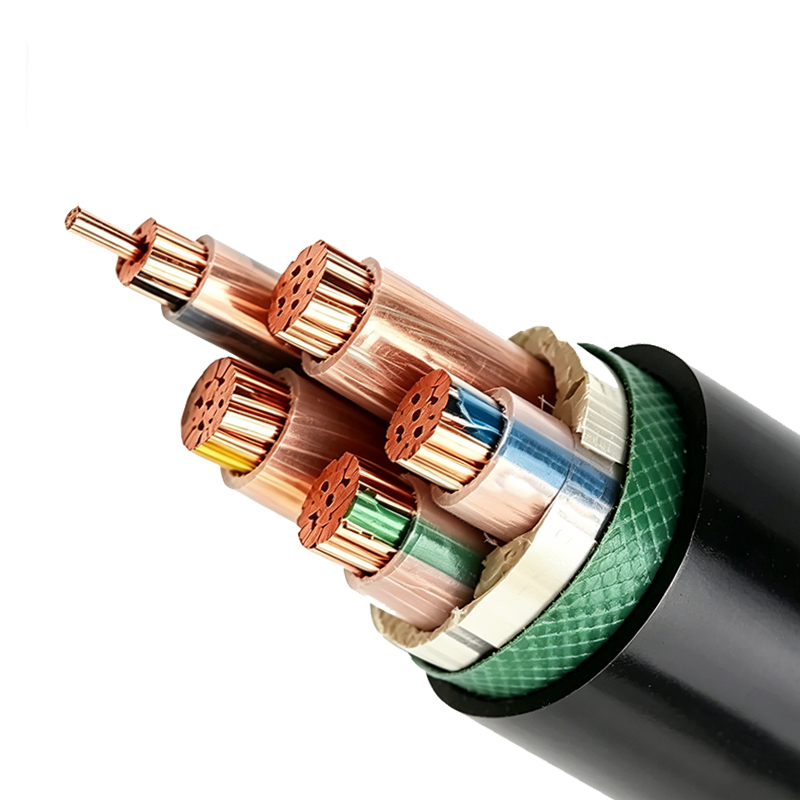
As a core component of the wire and cable manufacturing process, the stranding process has a decisive impact on the conductive efficiency, mechanical load-bearing capacity and comprehensive service life of the cable. Although the operation process of this process seems routine, if there is a slight oversight in detail control, it can easily lead to hidden quality risks. This article systematically sorts out the key quality control points in the entire process of stranding operations, covering process execution specifications and on-site control mechanisms, helping production personnel accurately avoid operational misunderstandings and steadily promote the improvement of cable product quality.
- Single wire diameter inspection before going online: Strictly check the single wire diameter to ensure that the single wire diameter deviation must be within the range specified by the process, and eliminate resistance fluctuations or loose twisting caused by uneven wire diameters;
2. Single wire appearance quality inspection: Comprehensive inspection of the appearance status of the single wire, requiring smooth surface, no oil stains, no serious mechanical damage, no serious oxidation of the copper wire, ensuring that the single wire has no harmful defects, and avoiding wire breakage or performance degradation after twisting;
3. Adaptation and installation of the mold and the pressure wheel: Select and install the pressure wheel, wooden mold, and steel mold according to the process requirements to ensure that the mold aperture, pressure wheel specifications and strand specifications completely match, to avoid loose stranding or single wire scratches due to improper installation;
4. Compliance verification of stranding parameters: Check the number of stranded single wires, arrangement, stranding pitch, and stranding direction to ensure that all parameters strictly meet the requirements of process standards;
5. Precise tension control: Accurately preset and adjust the pay-off and take-up tension to ensure that the tension of each single line is uniform and consistent, preventing the single line from being thinned due to excessive tension, or from being arched and loosely twisted by the single line due to too small tension;
6. Control the appearance quality of the wire core: Strictly check the appearance quality of the wire core, requiring it to be tight and round, with no burrs or sharp edges that can damage the insulation layer, and no bulges or broken single wires to avoid defects such as breakdown and bulging in subsequent insulation processes;
7. Standardized control of single-wire joints: Strictly control the handling of single-wire joints and require welding; the distance between two joints should be no less than 300 mm. It is strictly forbidden to twist more than two single wires together to prevent breakage or excessive resistance due to weak joints;
8. Precise control of cable quality: Strictly check the cable quality, requiring it to be flat, without crossing or stacking, and the cable pitch should be adapted to the stranded wire size and take-up speed to prevent the wire core from being extruded and deformed or stuck in subsequent processes due to confusion in the cable arrangement.
9. Equipment operating status monitoring: During the operation of the equipment, operators are strictly prohibited from leaving their posts without permission. It is necessary to continuously check the operating status of the equipment, pay attention to changes in the outer diameter of the stranded wires, and promptly detect abnormal vibrations and noises of the equipment to prevent quality accidents caused by equipment failure;
10. Accurate recording of circulation information: After each reel of wire core is removed from the machine, the flow card and various reports are filled in in a standardized manner, and product specifications, production parameters, and inspection results are recorded in detail to ensure that the semi-finished product circulation information is traceable and provides accurate basis for subsequent processes.
Although the stranding process is only a part of cable production, it is related to the overall performance, safety and reliability of the finished product. Only by strictly controlling process parameters, standardizing operating details, and strengthening process inspections can defects be reduced from the source and product stability improved. Only by making every process precise and meticulous can we truly build a solid quality foundation for wires and cables and ensure the safety of electricity use and product quality.
-
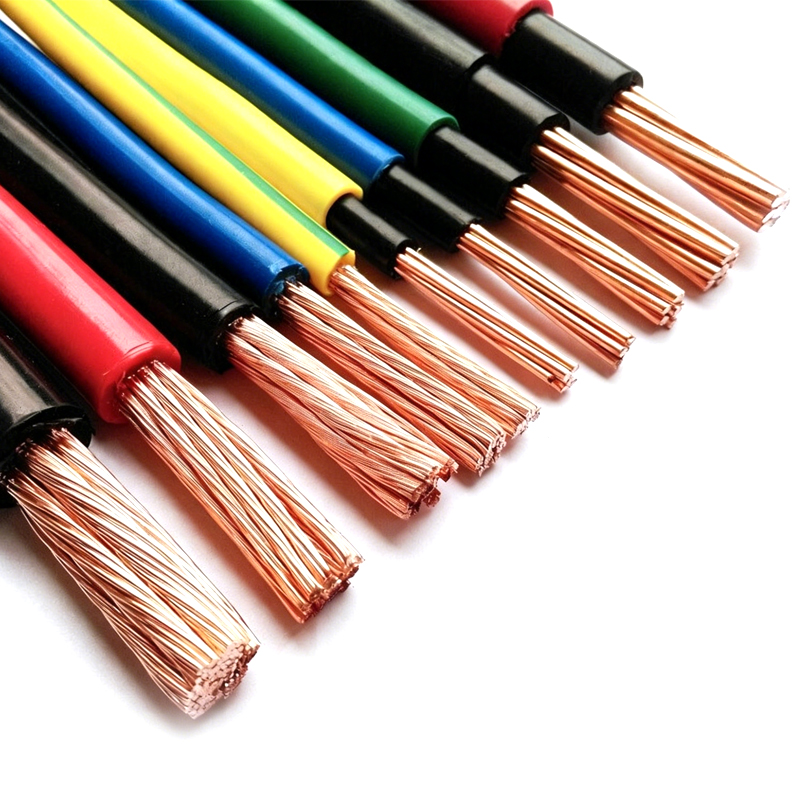
Cross-linked Polyolefin (XLPO) Insulated Wire and Cable (Rated Voltage 450/750V and below)
-
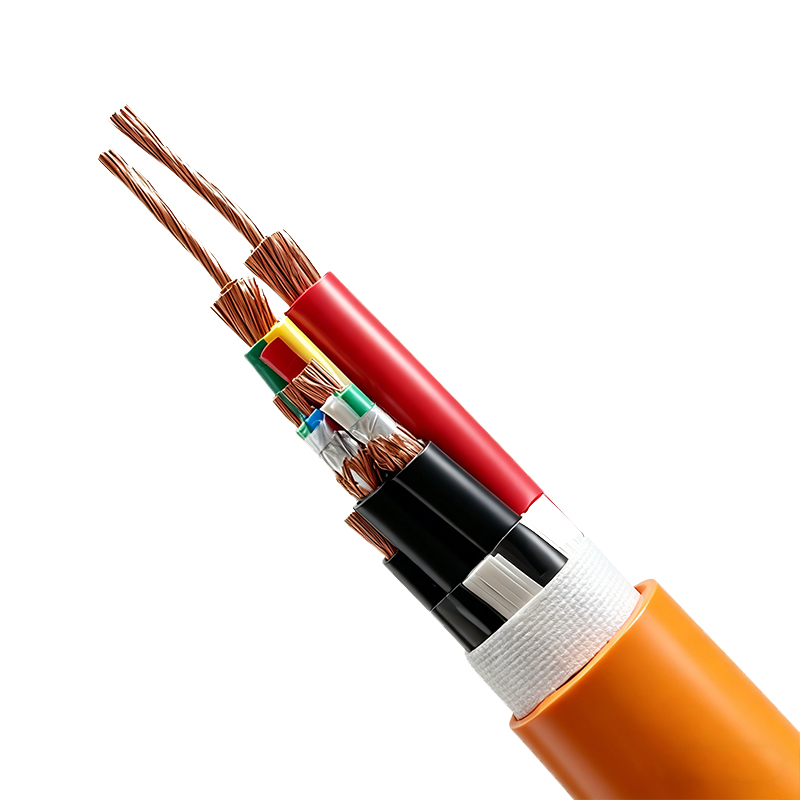
Flexible Fire-proof Cable (Rated Voltage 0.6/1kV)
-
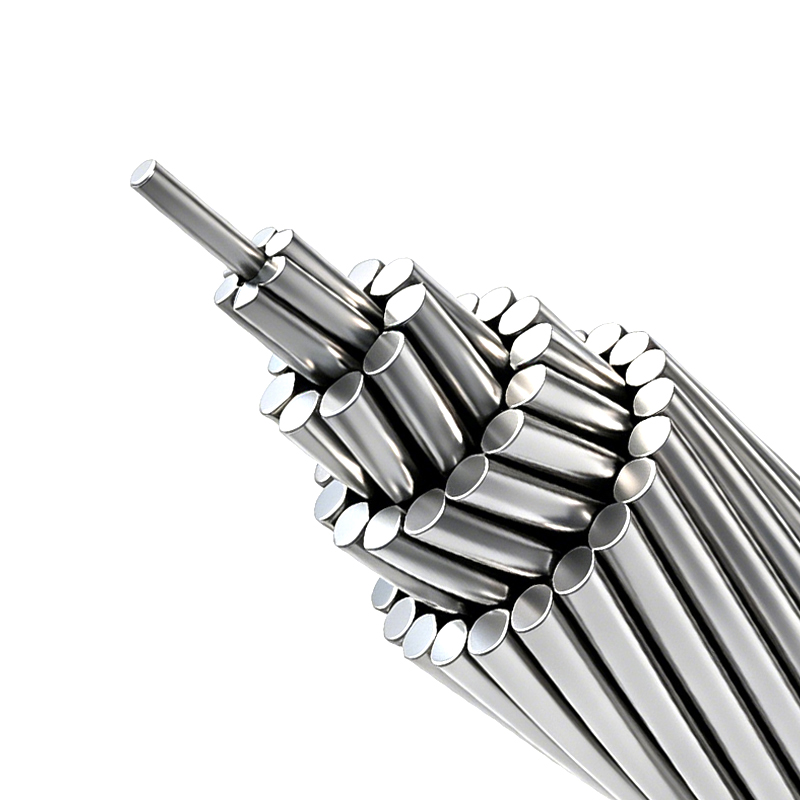
AAC, AAAC & ACSR - Aluminum and Aluminum Alloy Stranded Conductors
-
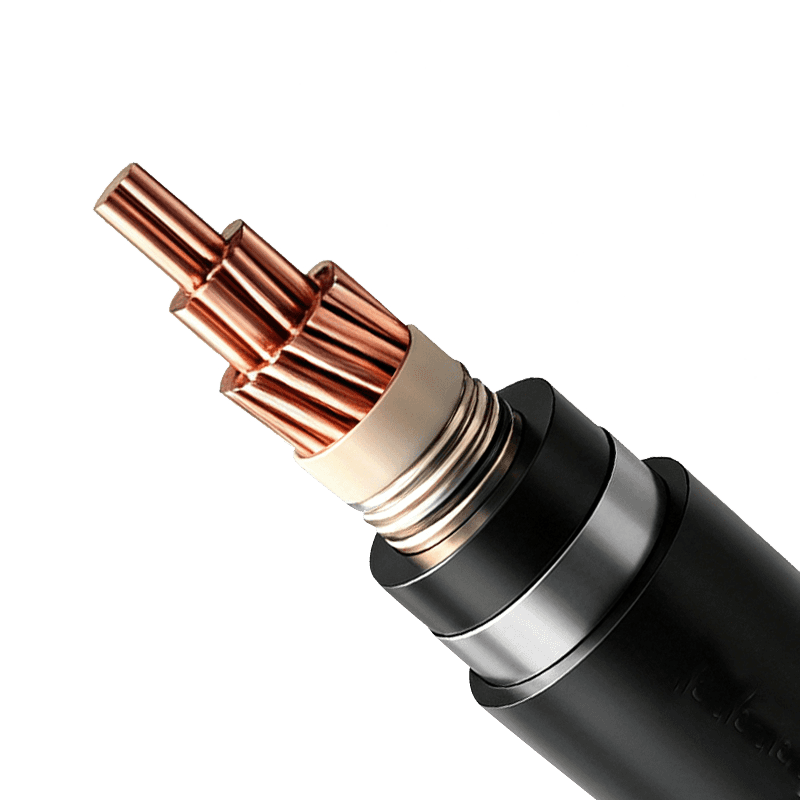
Power Cable for Subway and Urban Rail Transit (Rated Voltage 35kV)
-
Termite and Rodent Resistant Cable

Copyright © Wuxi Guanghuan Cable Co., Ltd. All Rights Reserved. Power Cables Manufacturer Electrical Wire And Cable Factory

