


 English
 中文简体
中文简体 русский
 Español
 عربى
عربى
Learn about the electrical performance testing of cables in two minutes
The electrical performance inspection of cables is the core link to ensure the stability of power transmission and ensure the safety of electricity use. It is also a key criterion for measuring the quality of cables. In two minutes, we will help you quickly grasp the core logic of this core test.
Electrical performance inspection focuses on three core indicators, each of which is directly related to the actual operating performance of the cable. The first is the insulation resistance inspection, which is the "safety barrier" of the cable. During the inspection, DC high voltage is applied to detect the ability of the insulation layer to prevent current leakage. The higher the insulation resistance value, the stronger the insulation performance, which can eliminate the risk of leakage from the source and protect the safety of electricity.
Next is the conductor DC resistance test, which determines the "transmission efficiency" of the cable. The inspection uses professional equipment such as a double-arm bridge to accurately measure the resistance value of the conductor. The smaller the conductor resistance, the lower the loss during power transmission. It can not only improve energy utilization, but also reduce line heating, avoid safety hazards caused by overheating, and ensure stable and efficient transmission.
The last step is the voltage test, which is the "strength test" of the cable. The test simulates extreme working conditions by applying AC or DC high voltage that far exceeds the rated voltage, and tests whether the cable insulation layer can withstand short-term high-voltage impact. Only by passing the withstand voltage test can we ensure that the insulation layer of the cable will not break down and maintain normal operation under extreme conditions such as sudden voltage fluctuations and short circuits, thus building a solid bottom line for the safety of the power system.
From insulation protection to transmission efficiency to the ability to withstand extreme working conditions, electrical performance testing uses accurate data to endorse quality. Behind every qualified cable is the full protection of this rigorous inspection, making power transmission more reliable and making electricity safer and more secure.
-
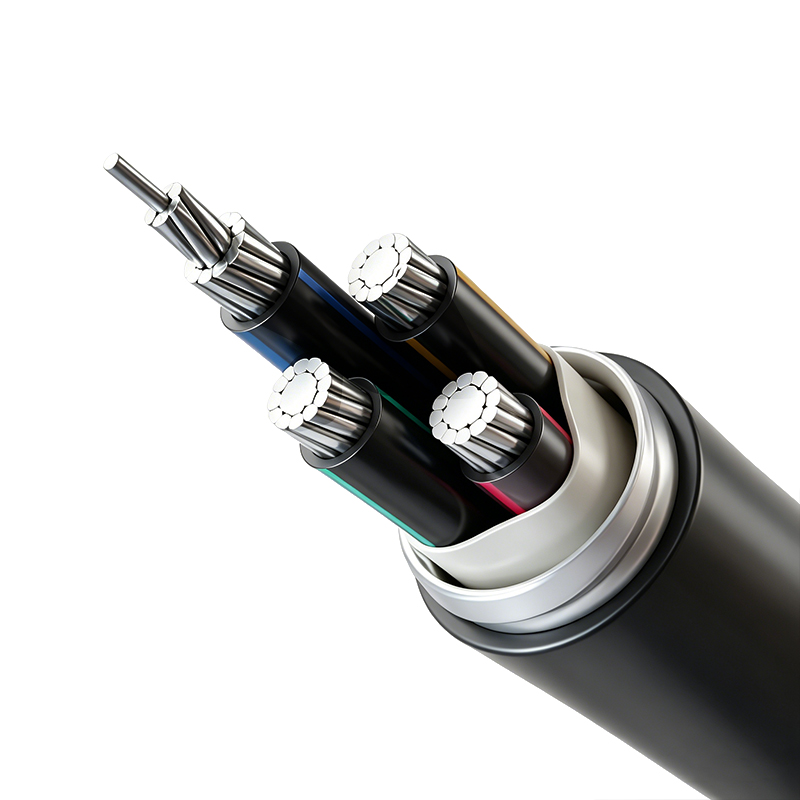
Aluminum Alloy Conductor Plastic Insulated Power Cable (Rated Voltage up to 26/35kV)
-
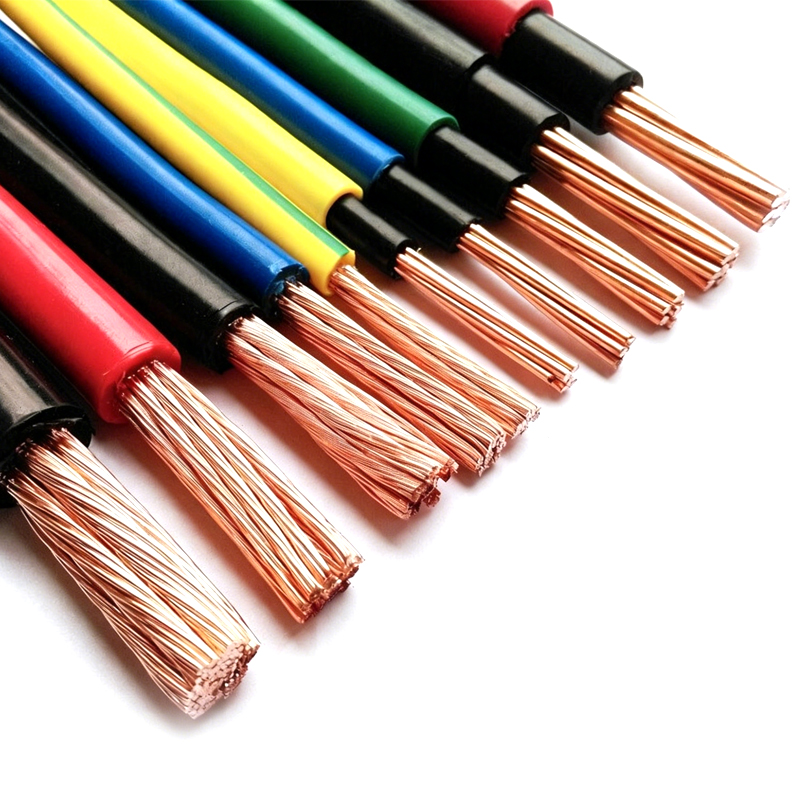
Cross-linked Polyolefin (XLPO) Insulated Wire and Cable (Rated Voltage 450/750V and below)
-
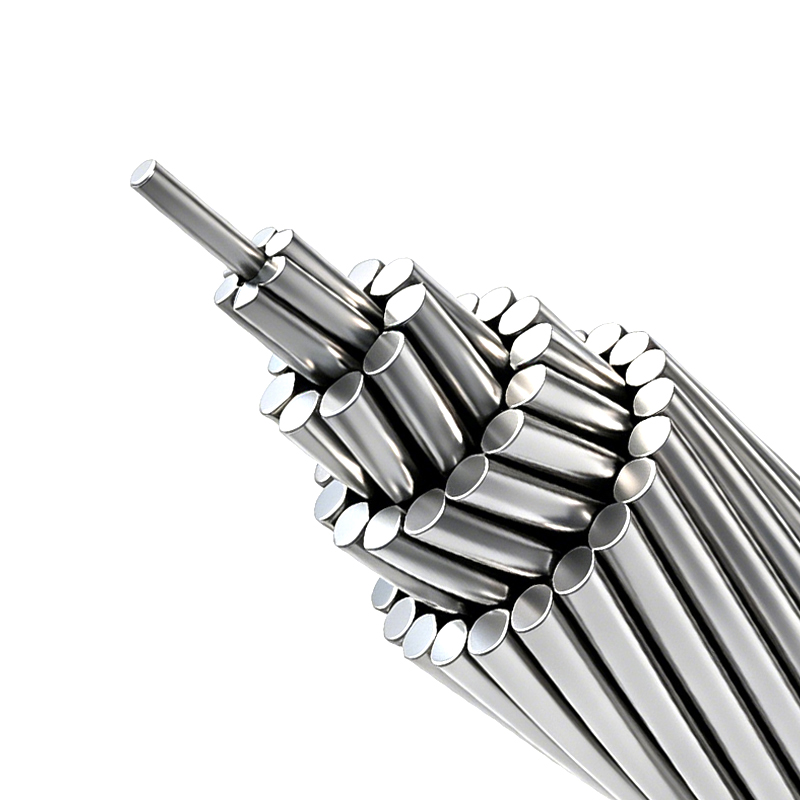
AAC, AAAC & ACSR - Aluminum and Aluminum Alloy Stranded Conductors
-
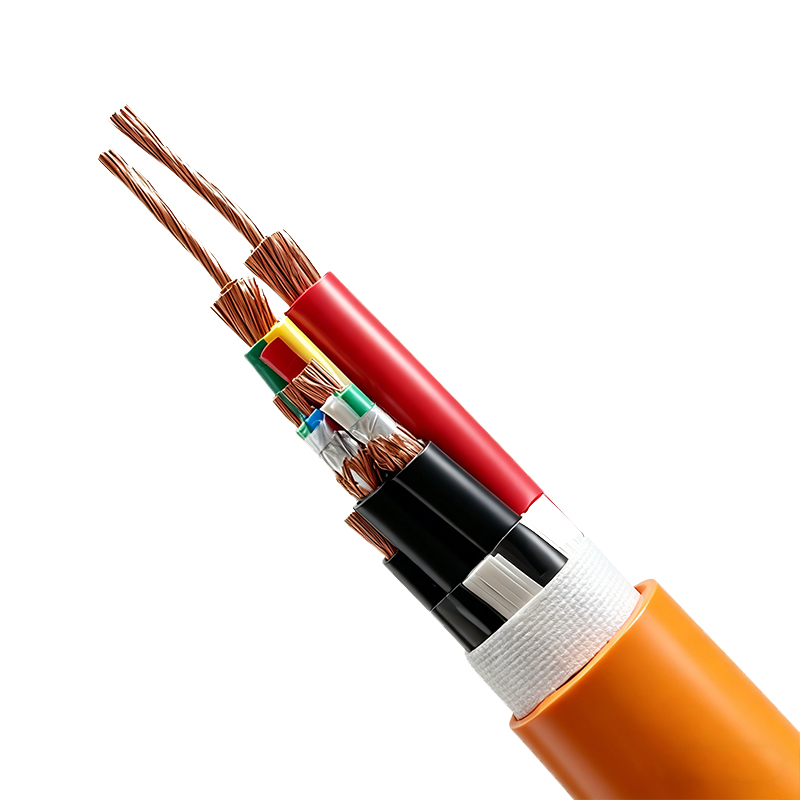
Flexible Fire-proof Cable (Rated Voltage 0.6/1kV)
-
Rated Voltage 3.6/6kV–26/35kV XLPE Insulated Power Cable

Copyright © Wuxi Guanghuan Cable Co., Ltd. All Rights Reserved. Power Cables Manufacturer Electrical Wire And Cable Factory

