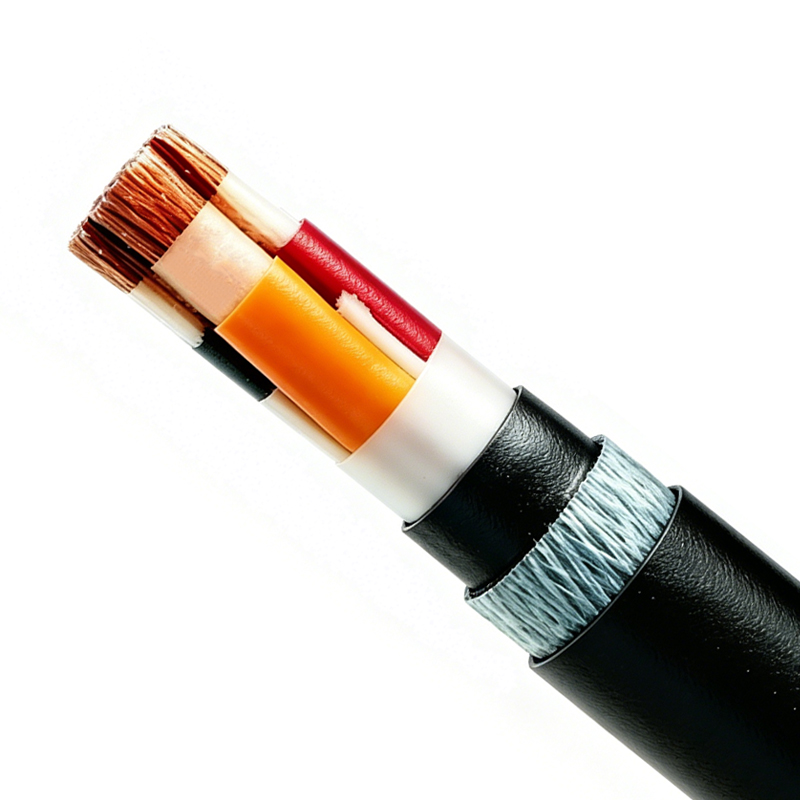
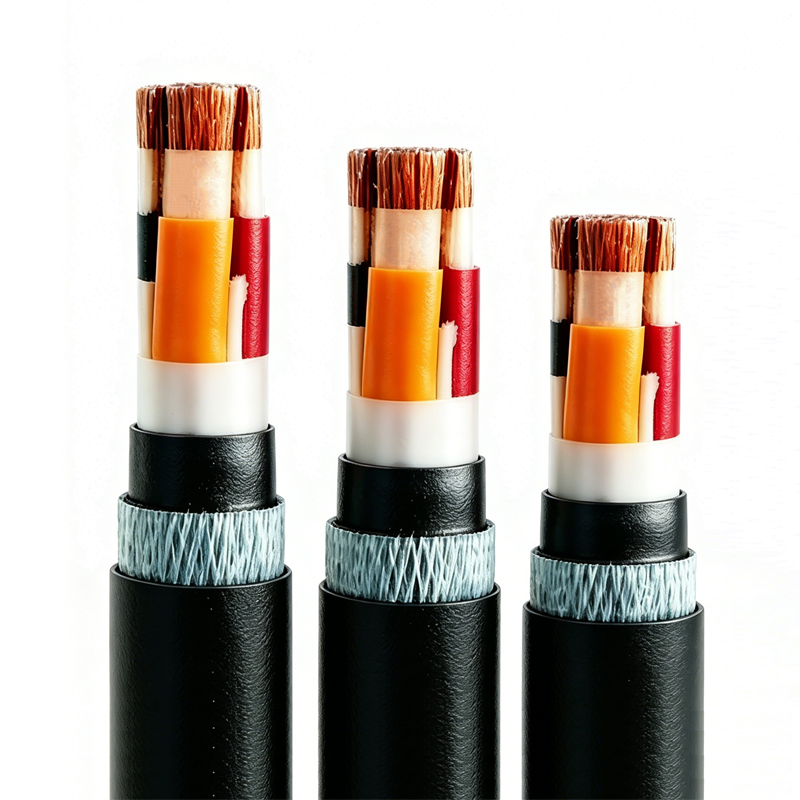
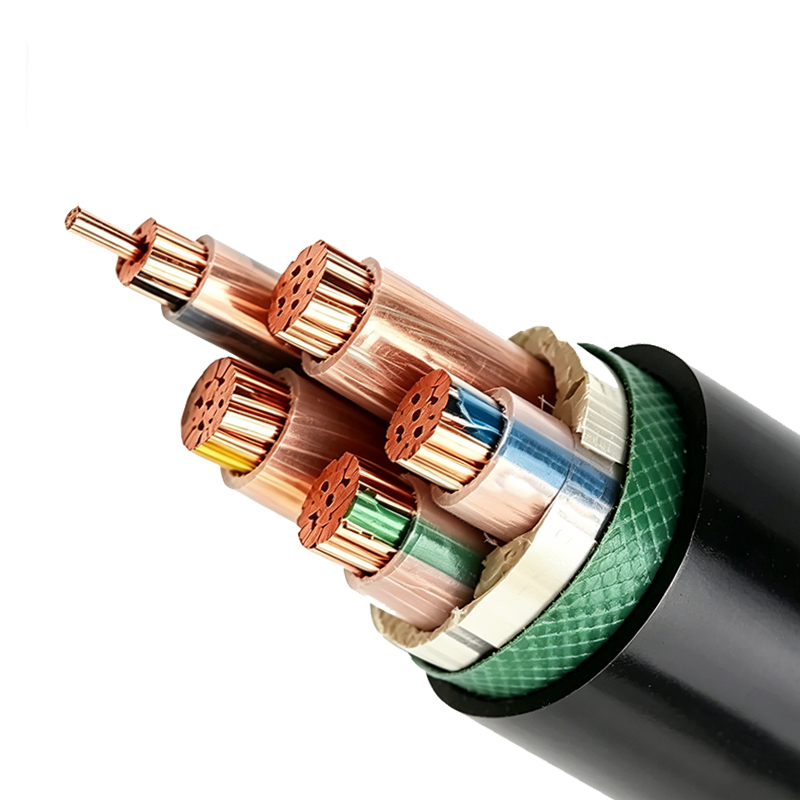
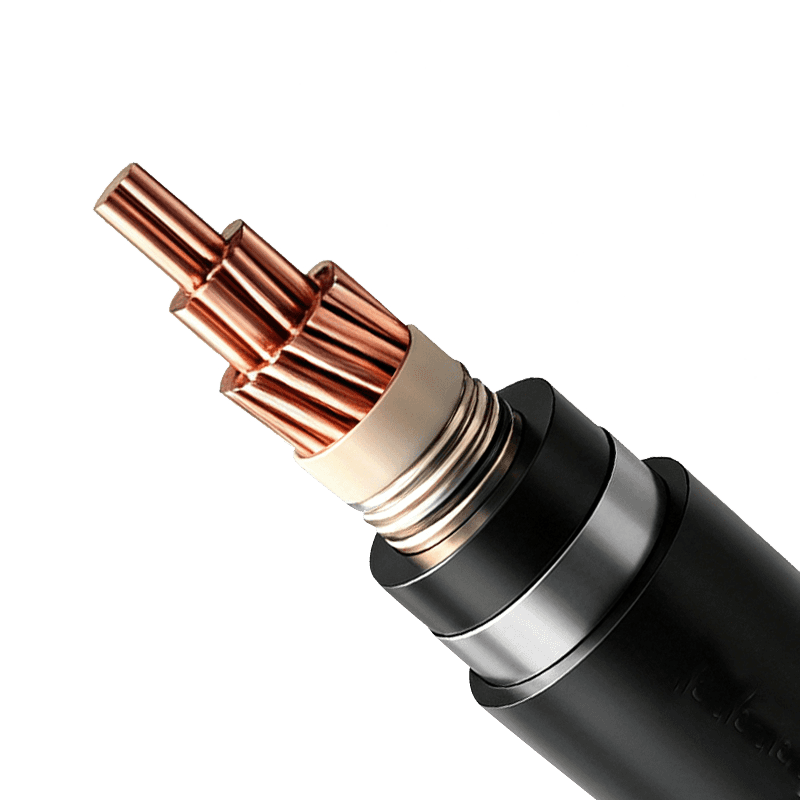
Technical Standards
To ensure survivability under extreme fire conditions involving flames, mechanical impact, and water spray, these products are strictly tested against multiple domestic and international authoritative standards:
* Flame Retardancy: Compliant with the GB/T 18380.3 series (equivalent to IEC 60332-3), covering classes A, B, C, and D.
* Fire Resistance: Compliant with GB/T 19216.21 and relevant requirements for circuit integrity.
* Environmental Safety (for LSZH series): Compliant with GB/T 17650.2 (halogen acid gas emission) and GB/T 17651.2 (smoke light transmittance ≥ 60%).
Model Logic and Nomenclature
The model names are precisely composed of a "Combustion Characteristic Code" and the "Base Cable Model", facilitating accurate selection for design institutes and engineering firms:
1. Flame-Retardant (FR):
* Halogenated FR: Identified by codes ZA, ZB, ZC, or ZD, representing flame-retardant classes A, B, C, and D respectively (Class A offers the highest performance).
* Low-Smoke Zero-Halogen (LSZH) FR: Prefixed with WDZ (or WDZA, WDZB, etc.), emphasizing environmental safety and non-toxicity.
2. Fire-Resistant:
* Regular Fire-Resistant: Identified by the code N, often combined with FR levels (e.g., ZAN, ZBN).
* LSZH Fire-Resistant: Identified by WDZN and its derivative models.
Core Performance Indicators and Advantages
* Graduated Flame Protection: Based on the volume density ($L/m$) of non-metallic materials, the cables undergo fire tests ranging from 0.5 L/m to 7 L/m, ensuring the desired fire-prevention effect across various installation densities.
* Vitality in High-Heat Environments: Fire-resistant models maintain circuit integrity at rated voltages in flames between 750°C and 1000°C for over 90 minutes (plus a 15-minute cooling period).
* Optimized Evacuation Environment (LSZH Type):
* Low Toxicity: The PH weighted value of combustion products is ≥ 4.3, with conductivity ≤ 10 μS/mm, minimizing the risk of suffocation and corrosion from fire smoke.
* High Visibility: Achieves a minimum light transmittance of over 60%, ensuring escape routes remain clearly visible during an emergency.
Core Application Scenarios
Due to their versatile fire-safety configurations, these cables are widely deployed in projects with high life-safety requirements:
* Densely Populated and High-Rise Buildings: Ideal for power transmission and distribution in shopping malls, hospitals, hotels, and exhibition centers.
* Critical Public Infrastructure: Essential for subways, airports, underground tunnels, and major transportation hubs.
* High-Precision and Specialized Industrial Environments: Specified for nuclear power plants, petrochemical facilities, and data centers where low-voltage distribution stability is a critical requirement.
Flame-retardant and heat-resistant cable series
Type composing
The type of heat-resistant and flame-retardant cable consists of the code of combustion characteristic and revalent wire and cable type,sourcebits:
|

|
|
Model of wire and cable
Product combustion characteristic code
|
|
Series Name
|
Code name
|
Name
|
|
Flame-retardant Series
|
There is a halogen
|
ZA
ZB
ZC
ZD
|
Flame-retardant Class A
Flame-retardant Class B
Flame-retardant Class C
Flame-retardant Class D
|
|
Zero halogen, low smoke
|
WDZ
WDZA
WDZB
WDZC
WDZD
|
Zero-halogen, low-smoke, flame-retardant
Halogen-free, low-smoke, flame-retardant Class A
Halogen-free, low-smoke, flame-retardant Class B
Halogen-free, low-smoke, flame-retardant Class C
Halogen-free, low-smoke, flame-retardant Class D
|
|
Fire-resistant series
|
There is a halogen
|
N
ZAN
ZBN
ZCN
ZDN
|
fire-resistant
Flame-retardant Class A fire-resistant
Flame-retardant Class B fire-resistant
Flame-retardant Class C fire-resistant
Flame-retardant Class D fire-resistant
|
|
Zero halogen, low smoke
|
WDZN
WDZAN
WDZBN
WDZCN
WDZDN
|
Zero halogen, low smoke, flame-retardant, and fire-resistant
Halogen-free, low-smoke, flame-retardant, Class A fire-resistant
Zero halogen, low smoke, flame-retardant, Class B fire-resistant
Zero halogen, low smoke, flame-retardant, Class C fire-resistant
Zero halogen, low smoke, flame-retardant, Class D fire-resistant
|
Flame-retardant characteristic
|
Code name
|
Sample non-metallic material volume/(L/in)
|
Fire supply time/min
|
Composite indicators
|
Test Method
|
|
ZA
ZB
ZC
ZDa
|
7
3.5
1.5
0.5
|
40
40
20
20
|
1) The maximum length of carbonization on the sample should not exceed 2.5mm above the bottom edge of the nozzle
2) The flame burning time on the sample after stopping the fire supply should not exceed 1 hour
|
GB/T18380.3
IEC 60332-3-25
|
|
A ZD is suitable for wires and cables with a sample outer diameter not exceeding 12mm.
|
Heat-resistant characteristic
|
Code name
|
Scope of Application
|
Fire supply time+cooling time/min
|
Test voltage/
|
Composite indicators
|
Test Method
|
|
N
|
0.6/1KV and below cables
|
90+15
|
Rated value
|
1) 2A fuse continuously
2) The indicator light does not turn off
|
GB/T17650.2
|
No-halogen characteristic
|
Code name
|
Zero halogen (low corrosiveness)
|
|
PH weighted value
|
Weighted conductivity value/μS/mm
|
Test Method
|
|
W
|
≥4.3
|
≤10
|
GB/T19216.21
|
Low fume characteristic
|
Code name
|
Applicable outer diameter d/mm
|
Number of samples
|
Minimum transmittance/%
|
Test Method
|
|
D
|
d>40
20<d≤40
10<d≤20
5≤d≤10
2≤d≤5
|
2 (roots)
3 (roots)
45/d (root) a
45/3d (root) a.b
|
≥60
|
GB/T17651.2
|
|
a: Calculate the value by rounding off decimals and taking integers (roots or bundles).
b: The unbound sample consists of 7 twisted strands.
|




 English
 中文简体
中文简体 русский
 Español
 عربى
عربى