


 English
 中文简体
中文简体 русский
 Español
 عربى
عربى
How Do You Select the Right Electrical Equipment Cables for Your Application?
Content
What Are Electrical Equipment Cables?
Electrical equipment cables are insulated conductors specifically designed to carry power or signal connections to and from machinery, control panels, appliances, and industrial equipment. Unlike general building wiring, equipment cables are often engineered to handle specific mechanical stresses, such as flexing, vibration, or repeated movement, depending on whether they are used in fixed installations or connected to equipment that moves during operation, such as robotic arms or conveyor systems.
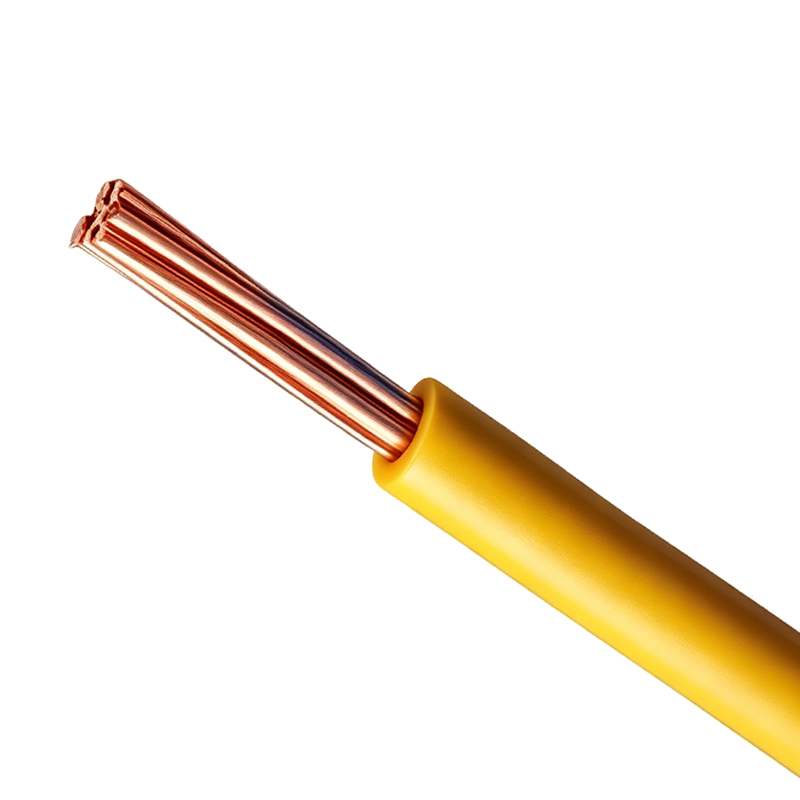
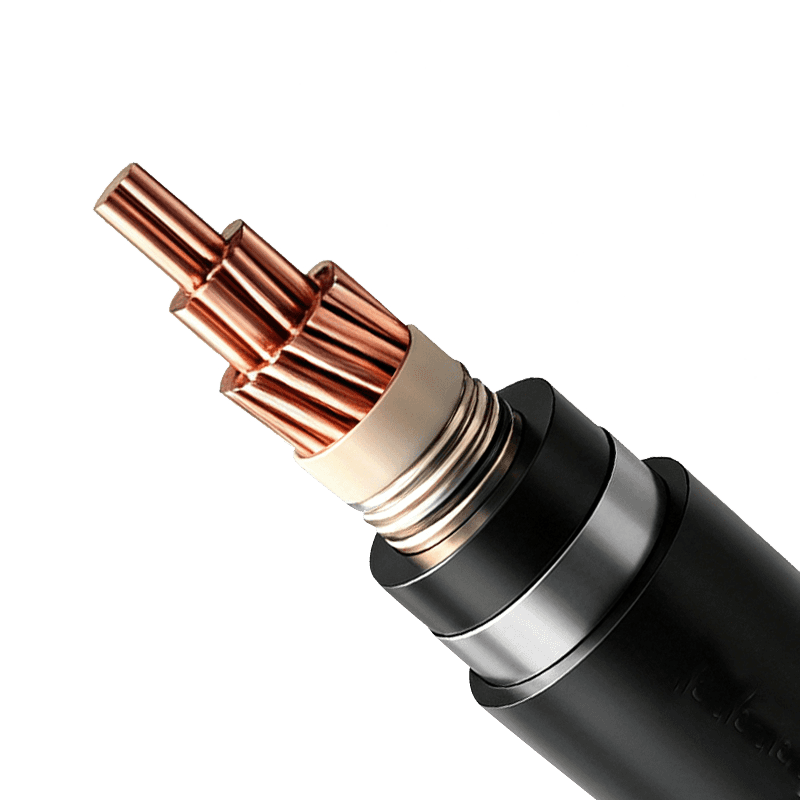
These cables typically consist of one or more conductors, usually copper or aluminum, surrounded by insulation material and often an outer protective jacket. The specific construction, including conductor gauge, insulation type, and shielding, varies significantly based on the voltage requirements, environmental conditions, and mechanical demands of the equipment being powered or controlled.
Key Factors That Determine Cable Suitability
Selecting the correct electrical equipment cable requires evaluating several technical factors that directly affect both safety and long-term performance. Overlooking any of these considerations can result in premature cable failure or, in more serious cases, fire or electrical hazards.
Voltage and Current Rating
Every cable is rated for a maximum voltage and current capacity, which must meet or exceed the equipment's operational requirements. Undersized cables can overheat under load, leading to insulation breakdown or, in severe cases, electrical fires, making accurate load calculation an essential first step in cable selection.
Conductor Material and Gauge
Copper conductors offer higher conductivity and are generally preferred for equipment cables due to their reliability and lower resistance losses, though aluminum conductors are sometimes used in larger installations to reduce weight and cost. Conductor gauge, measured in AWG or square millimeters depending on regional standards, must be sized appropriately to handle the expected current without excessive voltage drop over cable length.
Insulation and Jacket Material
The insulation and outer jacket protect conductors from environmental exposure, mechanical damage, and, in some cases, chemical contact. Common insulation materials include PVC, cross-linked polyethylene, and rubber compounds, each offering different levels of heat resistance, flexibility, and durability suited to specific operating conditions.
Common Types of Electrical Equipment Cables
Different equipment applications call for different cable constructions. The table below outlines several common cable types and their typical use cases.
| Cable Type | Typical Application |
| Control Cable | Signal and control wiring between panels and machinery |
| Power Cable | Delivering electrical power to motors and equipment |
| Flexible Cable | Moving equipment requiring repeated bending or flexing |
| Shielded Cable | Environments with electromagnetic interference risk |
Flexible cables, in particular, are engineered with finer, stranded conductors and specialized jacket compounds to withstand continuous flexing without conductor fatigue, making them essential for applications such as robotic equipment or cable carriers on automated production lines.
Environmental Considerations Affecting Cable Choice
The environment in which equipment cables will operate significantly influences the appropriate jacket material and overall cable construction. Facilities with exposure to oils, chemicals, or extreme temperatures require cables specifically rated to resist degradation from these conditions.
- Oil-resistant jackets for cables installed near machining or lubrication equipment
- UV-resistant jackets for outdoor or direct sunlight-exposed installations
- High-temperature insulation for cables near furnaces or heat-generating equipment
- Flame-retardant jackets for installations in enclosed or high-risk fire zones
Failing to account for these environmental factors can significantly shorten cable service life, even if the electrical ratings themselves are appropriate for the equipment load.
Installation Best Practices
Proper installation practices help ensure electrical equipment cables perform reliably and safely throughout their intended service life. Following established guidelines reduces the risk of premature failure or safety hazards.
- Avoid exceeding the cable's minimum bend radius during routing and installation
- Use proper strain relief at connection points to prevent conductor stress
- Separate power and signal cables where possible to reduce electromagnetic interference
- Label cables clearly at both ends to simplify future maintenance and troubleshooting
Signs That Cables Need Inspection or Replacement
Routine inspection helps identify cable issues before they lead to equipment downtime or safety incidents. Warning signs to watch for include visible cracking or discoloration of the outer jacket, exposed conductor strands at flex points, unusual heat buildup near cable connections, and intermittent equipment faults that may indicate internal conductor damage from repeated mechanical stress.
What to Confirm Before Purchasing
Before purchasing electrical equipment cables, buyers should confirm that the product meets applicable regional safety standards, such as UL or IEC certifications, relevant to the installation location. It is also important to verify that the cable's voltage rating, temperature rating, and mechanical flexibility class align with the specific equipment application, since using a cable outside its rated specifications can compromise both performance and safety over time.

Copyright © Wuxi Guanghuan Cable Co., Ltd. All Rights Reserved. Power Cables Manufacturer Electrical Wire And Cable Factory

