


 English
 中文简体
 русский
 Español
 عربى

14 AWG SIS Wire Explained: Construction, Temperature Ratings and Panel Uses
Content
- 1 The Name on the Wire: What "14 AWG SIS" Actually Tells You
- 2 Inside a 14 AWG SIS Conductor
- 3 Ratings, Standards and What the Label Actually Promises
- 4 Where 14 AWG SIS Wire Earns Its Place
- 5 SIS vs THHN, MTW and TEW: Choosing the Right Switchboard Wire
- 6 Choosing and Installing 14 AWG SIS Wire
- 7 Questions We Hear From Panel Builders
Walk into any switchboard shop and you will see the same scene: neat bundles of small conductors running between breakers, terminal blocks, relays and meters. A good share of them are SIS wire, and 14 AWG is the size that turns up most often for control, signal and indicating circuits.
It is a small wire with a fairly specific job description. Knowing exactly what "14 AWG SIS" means — and what it does not mean — saves a lot of guesswork when you are matching a bill of materials, replacing a damaged run, or writing a specification for a panel that has to pass inspection.
This guide walks through the construction of 14 AWG SIS wire, the ratings hidden behind the type designation, where the wire belongs inside an enclosure, how it compares with THHN, MTW and TEW, and the practical points that matter when you cut, strip and terminate it.
The Name on the Wire: What "14 AWG SIS" Actually Tells You
Two independent pieces of information sit in that short description, and both of them constrain how the wire can be used. One is a size; the other is a type listing.
14 AWG describes the conductor
AWG stands for American Wire Gauge, a logarithmic sizing system in which a larger number means a thinner conductor. A 14 AWG copper conductor has a nominal diameter of about 0.0641 inch, or 1.63 mm, and a cross-sectional area of roughly 2.08 mm². In Class B stranding, which is the usual construction for this size, the conductor is made up of seven strands.
That is a modest amount of copper. It is enough for control circuits, relay coils, indicating lamps, small contactors and signal wiring, which is precisely why 14 AWG dominates inside cabinets rather than in the feeder compartments.
SIS describes the insulation and the listing
SIS is a wire type designation, not a brand and not a family of cables. It refers to a single-conductor, thermoset-insulated switchboard wire rated 600 V, traditionally at 90°C in dry locations. It is defined in the UL 83 framework for thermoset-insulated wires and is widely referenced in switchboard, switchgear, panelboard and industrial control panel specifications.
The word "switchboard" is the key. SIS was created for wiring inside equipment enclosures, where conductors are short, bends are tight, and the ambient temperature around breakers and transformers is higher than in a typical wall. It is not a building wire, not a flexible cord and not a substitute for a jacketed multi-core cable.
So the full description — 14 AWG SIS — pairs a small conductor with a heat-resistant, thin-walled insulation intended for dry panel interiors. Change either half of that description and you are talking about a different product with different approvals.
Inside a 14 AWG SIS Conductor
Peel back the insulation and the construction is simple, but each layer has a reason for being there.
The conductor
SIS wire is normally built on stranded, tinned copper. Tinning is not cosmetic: it keeps the copper from oxidizing during storage and long service, improves solderability, and gives a more stable surface under terminal pressure when a connection runs warm. The stranding itself, seven strands at 14 AWG, keeps the wire supple enough to route around corners inside a crowded enclosure without springing back out of a wire duct.
The insulation
The insulation is a cross-linked thermoset material, typically cross-linked polyethylene or a cross-linked polyolefin compound. Cross-linking changes the behaviour of the polymer under heat: instead of softening and flowing, the insulation holds its shape and resists dripping. That property is the whole point of a thermoset in a switchboard, where a loose connection or an overloaded component can raise local temperatures well above normal.
The wall is thin, generally around 30 mils for a 14 AWG construction. Thin walls keep the outer diameter small, which matters when dozens of conductors share a narrow duct, and they still deliver the dielectric strength needed at 600 V.
No outer jacket
A SIS conductor has no overall jacket. That is deliberate. Single conductors bend more tightly, terminate directly into terminal blocks, and can be laced or combed into neat runs. Colour-coded insulation then carries the circuit identification that a jacket would otherwise hide.
Panel shops that also build the equipment side of a project sometimes pair SIS jumpers with a flexible cross-linked polyolefin wire for internal equipment connections. Our 450 V XLPO-insulated wire range covers that kind of duty.
 450/750V XLPO Insulated Wire and CableFlexible XLPO-insulated wire for equipment-internal power and signal connections, with LSZH performance and temperature options up to 150°C.View Product →
Ratings, Standards and What the Label Actually Promises
The printed legend on the wire is short, but every element of it is a claim that someone has tested. The table below summarises the values that normally appear on a 14 AWG SIS data sheet.
| Property | Typical value | What it means in practice |
|---|---|---|
| Voltage rating | 600 V | Covers panel and control circuits up to 600 V; verify against system voltage and terminal ratings |
| Temperature rating | 90°C dry, with some listings at 105°C dry | Sets the derating near transformers, contactors and bundled runs |
| Conductor | Stranded tinned copper, Class B | Seven strands at 14 AWG; tinned surface resists oxidation |
| Insulation | Cross-linked thermoset, thin wall | Does not melt or drip under overload; saves space in ducts |
| Flame performance | VW-1, typically | Limits flame spread on a single insulated conductor |
| Reference standards | UL 83, CSA where listed, RoHS and REACH declarations | Confirm the actual file number and listing with the supplier |
One caution is worth repeating. Temperature ratings differ between manufacturers and between individual listings. A wire sold as 90°C SIS and a wire sold as 105°C SIS may look identical on the reel, but only the second one supports the higher ambient assumption in your thermal calculation. Read the legend, not the catalogue photo.
Compliance documentation matters just as much as the printed rating. Our own product certification pages list the standards and approvals our cable families are tested against, which is a sensible place to start when a customer asks for evidence rather than a promise. You can review them here: product certification overview.
Where 14 AWG SIS Wire Earns Its Place
Inside a control panel, SIS wire is the general-purpose conductor for everything that is not a power feeder. The usual applications include:
- Internal wiring of switchboards, panelboards and switchgear assemblies
- Motor control centres, contactor coils and starter circuits
- Control, interlock and signal circuits between relays and terminal blocks
- Indicating lamps, push buttons, selector switches and meter connections
- Jumper links across terminal strips and din-rail components
- Wiring near transformers and power supplies, within the temperature rating
- Internal enclosure lighting and low-power auxiliary loads
Equally useful is knowing where the wire should not go. SIS is a dry-location, single-conductor product: it is not intended for burial, continuous flexing, outdoor exposure, or wet and oily environments unless the specific listing says otherwise. It is also a poor choice where mechanical protection is needed, because there is no jacket to absorb abrasion.
When a design moves from individual SIS conductors to multi-core control and signal circuits, the natural next step is a plastic-insulated control cable, which bundles several cores under one sheath and simplifies routing between compartments.
 450/750V Plastic Insulated Control CableMulti-core control cable that bundles several cores under one sheath, simplifying routing for monitoring, control and signal circuits.View Product →
SIS vs THHN, MTW and TEW: Choosing the Right Switchboard Wire
Several wire types look similar on a shelf and behave very differently in service. The comparison below is deliberately simplified, because a single product can carry more than one type designation.
| Type | Insulation | Typical rating | Where it fits |
|---|---|---|---|
| SIS | Thermoset, cross-linked | 600 V, 90°C dry | Switchboards, panelboards and control panels |
| THHN / THWN | PVC with nylon sheath | 600 V, 90°C dry, 75°C wet | Conduit and building wire runs |
| MTW | Thermoset or PVC | 600 V, 90°C, oil and moisture resistant | Machine tool and equipment wiring |
| TEW | PVC | 600 V, 105°C | Appliance and equipment internal wiring |
The practical difference between SIS and THHN comes down to insulation chemistry and location. THHN is designed for raceways and building distribution; its nylon jacket resists abrasion and gasoline, and it carries a wet-location rating in the THWN form. SIS is designed for the inside of equipment, where the priorities are heat resistance, thin walls and tight bends.
MTW overlaps with SIS in panel work and adds oil and moisture resistance, which is why machine tool builders often standardise on it. If a panel will see cutting fluid mist or washdown, that difference matters more than a few cents per metre.
Runs that leave the enclosure and continue through a building are a different story. PVC-insulated 450/750 V wire is the usual, more economical choice for those circuits.
 PVC Insulated Cable and Wire for 450/750V CircuitsEconomical PVC-insulated wire for building runs and fixed wiring at 450/750 V, suited to circuits leaving the enclosure.View Product →
Choosing and Installing 14 AWG SIS Wire
Most field problems with small panel wire are not caused by the wire itself. They come from a mismatch between the conductor, the terminal and the current it is asked to carry. A short checklist helps:
- Confirm the listing. Match the type designation, voltage rating and temperature rating on the reel to the panel specification, and keep the certificate on file.
- Check the termination. A 14 AWG conductor may be rated for far more current in free air than the terminal block or breaker lug it lands on. The lower of the two governs.
- Apply ambient and bundling derating. Inside an enclosure, temperature around heat-generating components can sit well above room temperature, and tightly bundled conductors run warmer than singles.
- Strip carefully. Nicked strands reduce the effective cross-section and create a hot spot. Use a stripper set for 14 AWG rather than a knife.
- Terminate with the right hardware. Tinned copper accepts compression lugs, ferrules and spring terminals; follow the tooling and torque values recommended by the terminal maker.
- Respect the bend radius. Thin-walled thermoset insulation tolerates tight bends, but sharp edges in a duct will still cut through it. Deburr pass-throughs and use grommets.
- Identify the circuit. Colour coding and wire markers are not decoration; they are what makes the next maintenance visit survivable.
Designers weighing conductor size, insulation type and routing in one decision often find it helpful to compare the trade-offs side by side rather than in isolation; this discussion of how to choose electrical equipment cables covers the wider selection logic.
Questions We Hear From Panel Builders
Can 14 AWG SIS wire carry a 20 A load?
The conductor itself is not the usual limitation. A 14 AWG copper conductor with 90°C insulation appears in ampacity tables at roughly 25 A in free air, but panel reality intervenes: terminal ratings, bundle position, ambient temperature and the overcurrent device all pull that number down. In many installations, 14 AWG ends up protected at 15 A. Follow the local code and the equipment listing rather than the table alone.
Is SIS wire the same as THHN?
No. Both can be 600 V single conductors, but they use different insulation systems and carry different listings for different locations. Substituting one for the other without checking the specification is a common inspection finding.
Does 14 AWG SIS come in solid and stranded versions?
Both exist. Solid conductor is easier to terminate in some terminal blocks and holds a shape neatly in a duct; stranded conductor tolerates vibration and repeated handling better. For panel work, stranded tinned copper is the more common choice.
How should the wire be stored on site?
Keep reels dry, off the floor and out of direct sun. Thermoset insulation is tough, but UV exposure, oil drips and sharp gravel will still shorten its service life before it ever reaches a terminal.
Small wire carries a lot of responsibility. A 14 AWG SIS conductor is inexpensive compared with the equipment it controls, yet a wrong temperature rating or a poorly crimped terminal can take a whole panel out of service. Treating the type designation as a specification rather than a label is the simplest way to avoid that.
Wuxi Guanghuan Cable Co., Ltd. has been manufacturing wire and cable in Guanlin, Yixing — the area known as China's cable town — since 1998. Our product range covers power cables, electrical equipment cables, overhead conductors and special cables, and our team is glad to talk through insulation types, temperature ratings and documentation when you are matching conductors to a panel design.
-
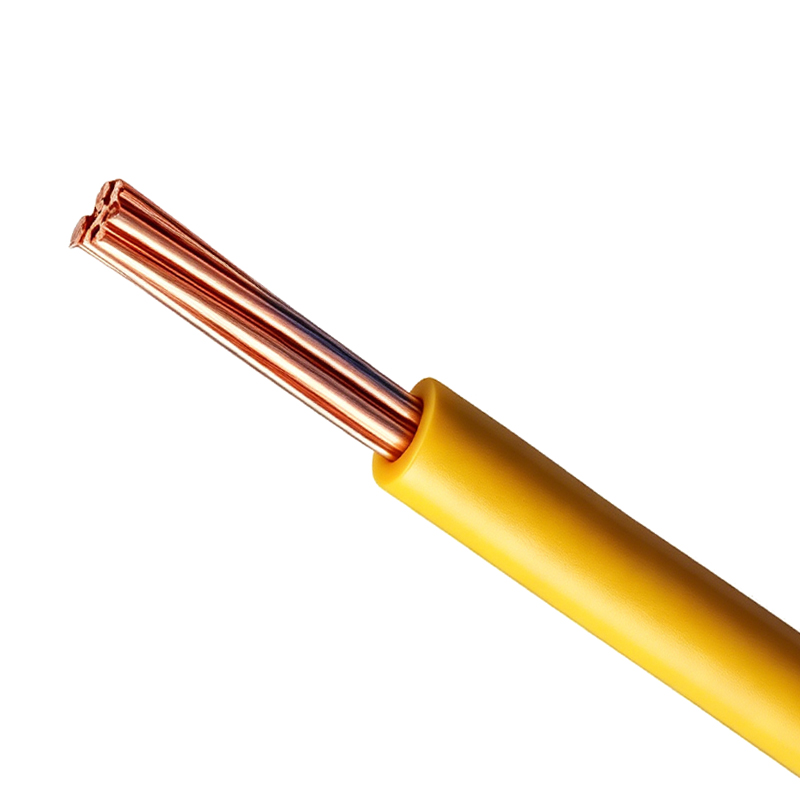
PVC Insulated Cable and Wire (Rated Voltage 450/750V and below)
-
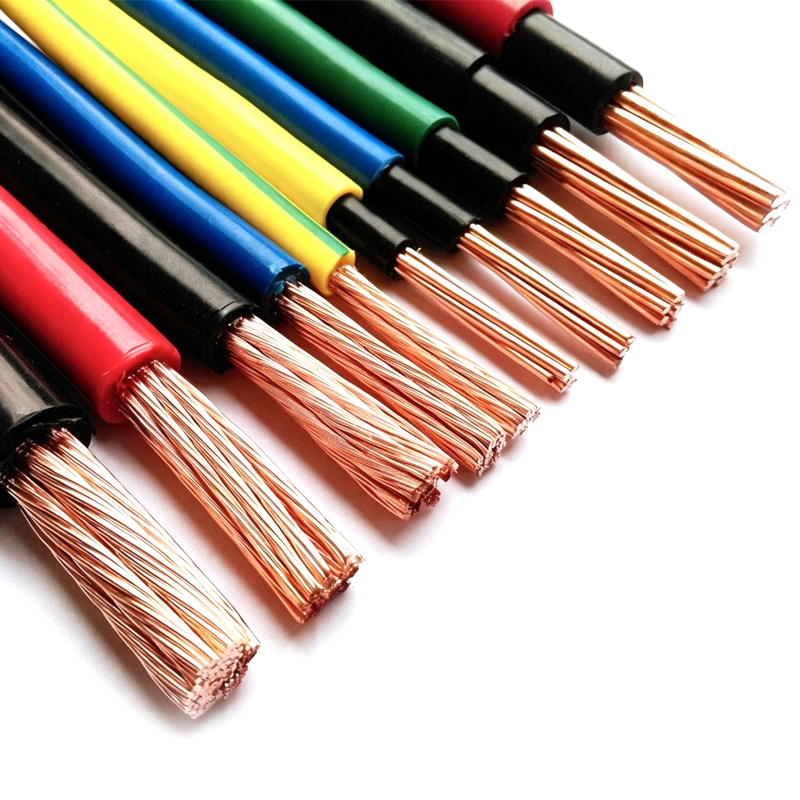
Cross-linked Polyolefin (XLPO) Insulated Wire and Cable (Rated Voltage 450/750V and below)
-
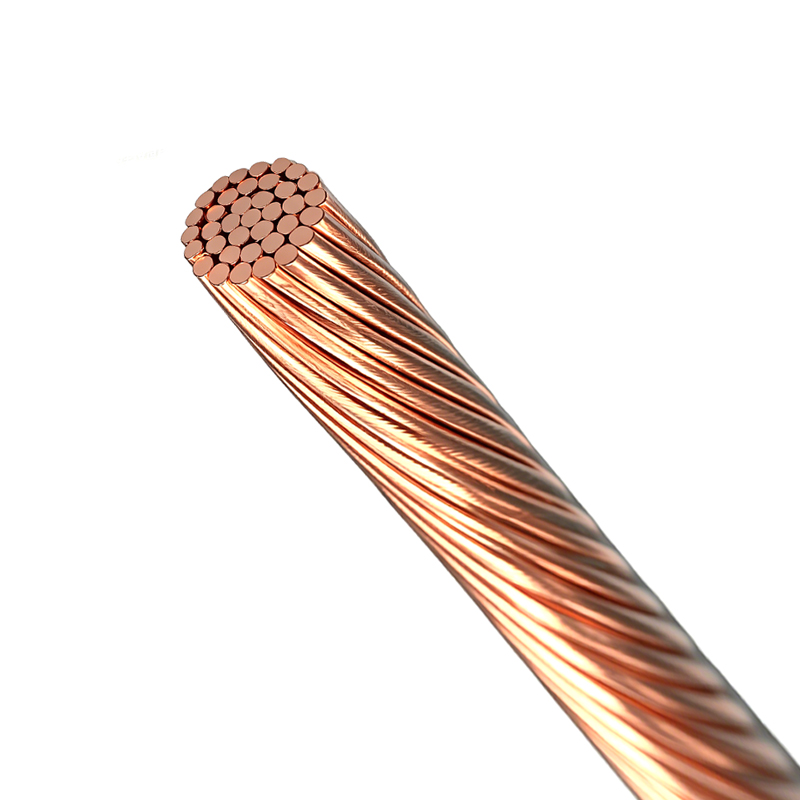
Copper Stranded Wire (TJ, TJR & TJX Series)
-
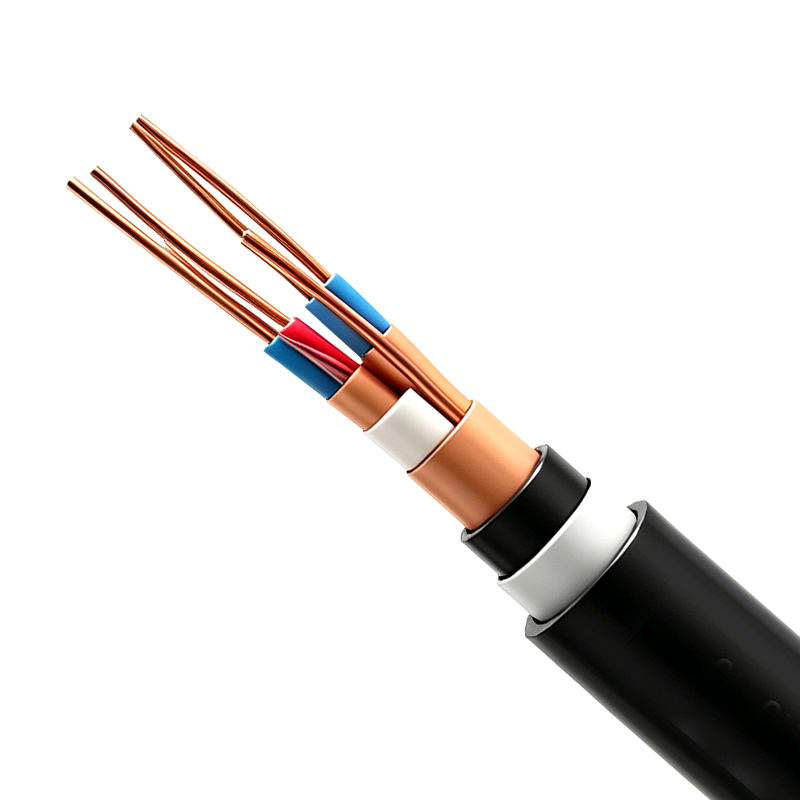
Computer and Instrument Shielded Cable
-
AAC, AAAC & ACSR - Aluminum and Aluminum Alloy Stranded Conductors

Copyright © Wuxi Guanghuan Cable Co., Ltd. All Rights Reserved. Power Cables Manufacturer Electrical Wire And Cable Factory

