


 English
 中文简体
中文简体 русский
 Español
 عربى
عربى
What is the difference between low-voltage cross-linked cable and PVC cable?
In the field of wires and cables, there are clear specifications for the allowable long-term working temperature of wire cores: for rubber-insulated wire cores, the allowed long-term working temperature is usually set to 65°C; for PVC-insulated wire cores, this temperature is 70°C; and for cross-linked polyethylene insulated wire cores, the allowed long-term working temperature can reach 90°C. Under short-circuit conditions (short-circuit time does not exceed 5 seconds), the maximum allowable temperature of the conductor is also strictly defined: 160°C for polyvinyl chloride insulated conductors and 250°C for cross-linked polyethylene insulated conductors.
In the process of decoration construction, engineering construction and distribution system selection, the two professional terms "low-voltage cross-linked cable" and "polyvinyl chloride cable" appear frequently. Many people have misunderstandings and believe that the two are essentially the same and can be used at will. However, there are significant differences between the two cables in key dimensions such as core materials, heat resistance, safety and service life. Once the wrong choice is made, it will not only cause unnecessary cost waste, but also may cause serious safety hazards for the entire power system. Next, we will comprehensively analyze the core differences between the two in an easy-to-understand way to help you make accurate selections and avoid decision-making errors.
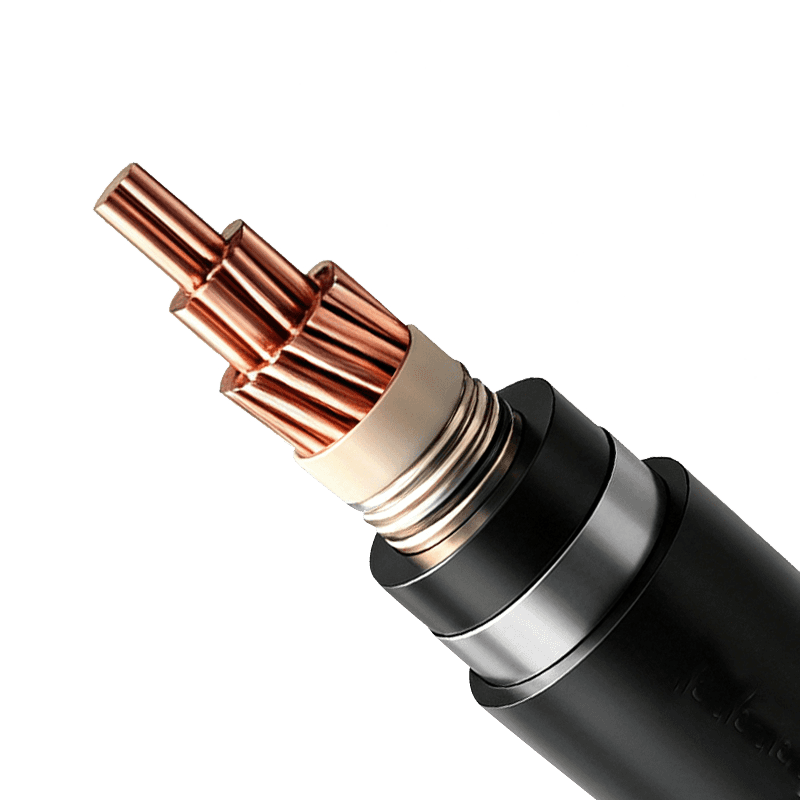
So, what are the essential differences between low-voltage cross-linked cables (represented by the common model YJV) and polyvinyl chloride cables (common model VV)?
First, the materials used in the insulation layer are completely different.
The insulation layer of polyvinyl chloride cables is made of PVC as the main material. With the advantages of low cost and mature technology, it has become the representative of traditional cable materials. The insulation layer of low-voltage cross-linked cables is made of cross-linked polyethylene (XLPE). This material has been treated with a special process and has a more stable molecular structure. It belongs to a new generation of high-performance insulation materials.
Second, there is a significant difference in temperature resistance and current carrying capacity.
The long-term operating temperature limit of polyvinyl chloride cables is 70°C. Once the load increases, it will easily generate heat, resulting in a limited carrying capacity. On the other hand, cross-linked cables have a long-term operating temperature of up to 90°C and have stronger high-temperature resistance. Under the same cross-section specification, the carrying capacity is more considerable and can carry the power demand of more electrical equipment. Compared with PVC cables, cross-linked cables not only have a larger carrying capacity and stronger overload capacity, but also have a longer service life. Specifically, under good environmental conditions, PVC cables have a thermal life of approximately 20 years, while XLPE cables have a thermal life of up to 40 years.
Third, the fire safety performance contrasts sharply.
When ordinary PVC wires and cables (including insulation layer and sheath) burn, the fire will spread rapidly and the power supply function will be lost in just 1 to 2 minutes. The dense black smoke released during the combustion process can even reach the point where you can't see your fingers, seriously hindering people's breathing and safe evacuation. What’s even more serious is that when PVC burns, it will decompose to produce highly toxic and corrosive halogen gases such as hydrogen chloride (HCl) and dioxins. These substances are one of the key causes of death in fires. At the same time, the dilute hydrochloric acid conductive film formed by combustion will adhere to electrical equipment, greatly weakening the insulation performance of the equipment, and causing secondary disasters that are difficult to completely eliminate.
In stark contrast, XLPE materials exhibit low smoke and low toxicity when burned. With this outstanding advantage, cross-linked cables are increasingly highly recognized by design and use departments.
Taken together, PVC cables are mostly used in temporary line laying, simple power distribution scenarios, and situations with low performance requirements due to their price advantage. Cross-linked cables, although more expensive, have become the preferred mainstream product for power distribution systems in newly built communities and various projects due to their excellent comprehensive performance.
-
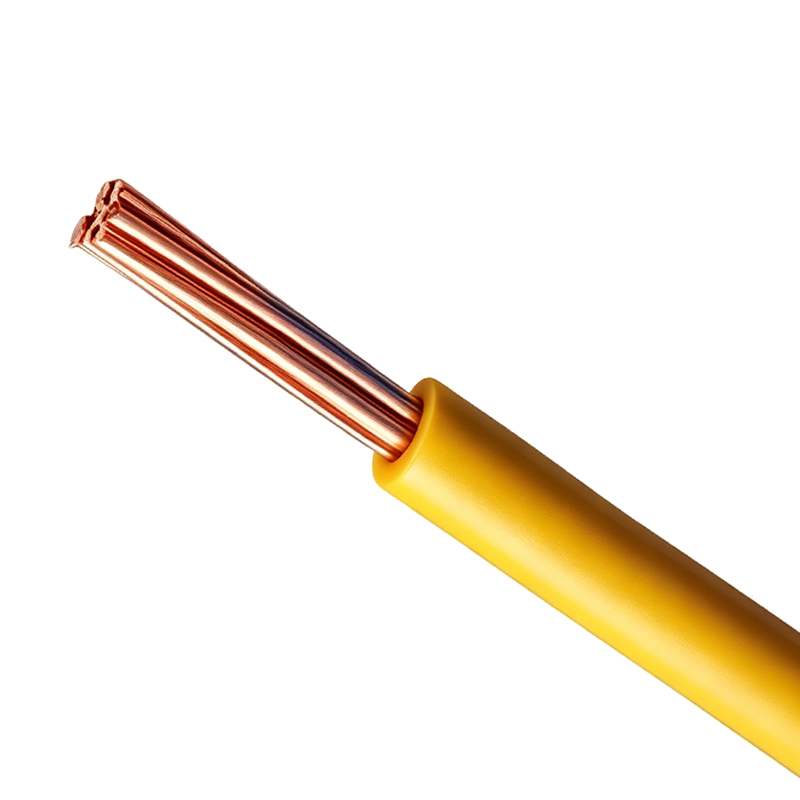
PVC Insulated Cable and Wire (Rated Voltage 450/750V and below)
-
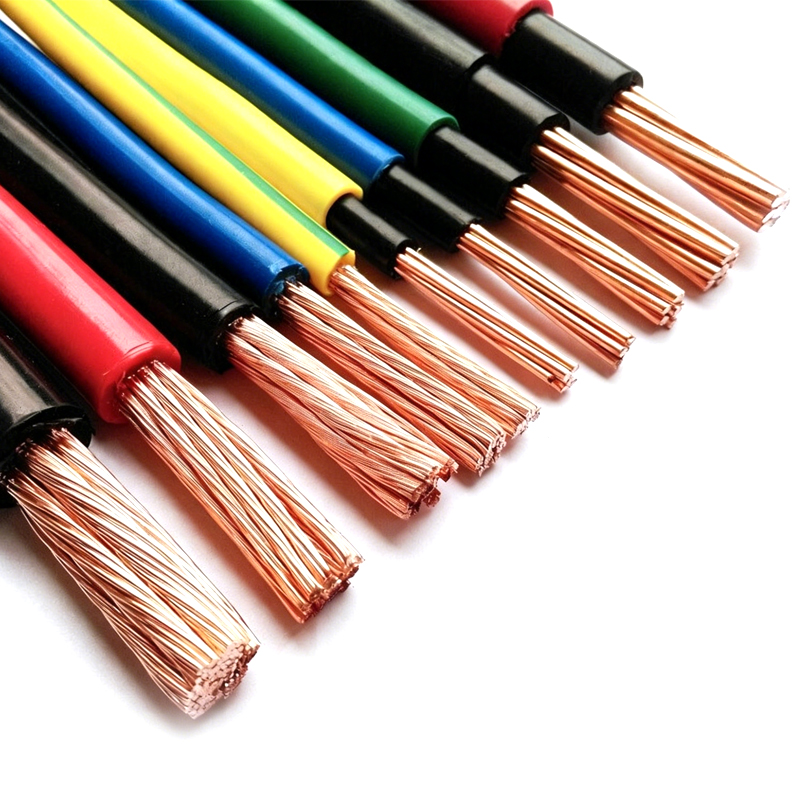
Cross-linked Polyolefin (XLPO) Insulated Wire and Cable (Rated Voltage 450/750V and below)
-
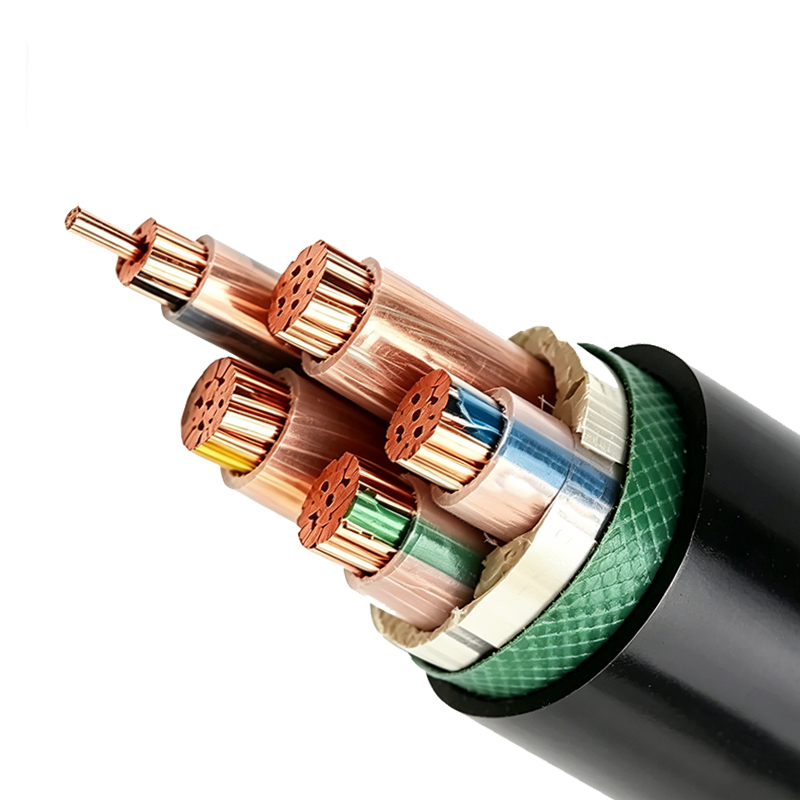
Termite and Rodent Resistant Cable
-
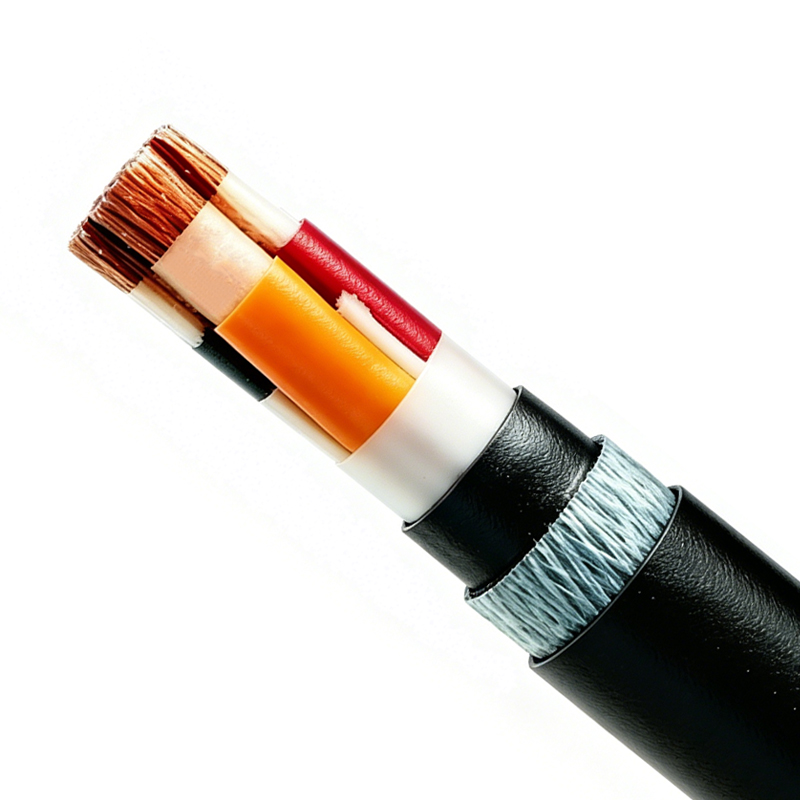
Flame-Retardant and Fire-Resistant Cable Series
-
Power Cable for Subway and Urban Rail Transit (Rated Voltage 35kV)

Copyright © Wuxi Guanghuan Cable Co., Ltd. All Rights Reserved. Power Cables Manufacturer Electrical Wire And Cable Factory

