


 English
 中文简体
 русский
 Español
 عربى

14 Gauge Bare Copper Wire: Key Specifications, Uses, and Selection Guide
Content
When a contractor reaches for a spool of 14 gauge bare copper wire, the job usually calls for something simple and dependable: a conductor that carries current, bonds equipment, or gives a technician a clean point to terminate. It is one of the most common sizes in panels, control cabinets, and low-voltage projects, yet the details still matter. Diameter, temper, stranding, and surface condition all affect how the wire performs in service.
At Wuxi Guanghuan Cable Co., Ltd., we have worked with copper conductors since 1998, drawing, stranding, and insulating wire and cable in Yixing, Jiangsu. A good 14 AWG bare copper wire should measure correctly, bend predictably, and arrive on a spool that protects the surface. You can read more about our company and manufacturing background if you are evaluating a supplier.
What 14 Gauge Bare Copper Wire Means
“14 gauge” refers to the American Wire Gauge system. A 14 AWG conductor has a nominal diameter of 1.628 mm, or 0.0641 in, and a cross-sectional area of about 2.08 mm². “Bare” means the copper has no insulation or outer jacket. It may still be supplied as bright bare copper, soft annealed copper, or tinned copper, and it can be solid or stranded. Those choices are not cosmetic; they change how the wire handles, terminates, and resists corrosion.
Most electrical-grade 14 AWG bare copper wire is made from electrolytic tough pitch copper and supplied in the soft annealed temper. That temper keeps the wire flexible enough for panel bending and field termination. Hard-drawn copper may be specified for mechanical applications, but it is less forgiving in electrical work. Common reference standards include ASTM B3 for soft or annealed copper wire and IEC 60228 for conductor construction, depending on the market.
| Property | Typical value | Practical note |
|---|---|---|
| Nominal diameter | 1.628 mm (0.0641 in) | 14 AWG |
| Cross-sectional area | 2.08 mm² | Equivalent copper area |
| DC resistance at 20°C | 8.286 Ω/km (2.525 Ω/1,000 ft) | Annealed copper |
| Approximate copper weight | 18.5 kg/km | Depends on stranding and tolerances |
| Common temper | Soft annealed (O) | Hard-drawn available for special uses |
| Ampacity | 15 A in many 60°C insulated circuits | Bare free-air and code ratings vary |
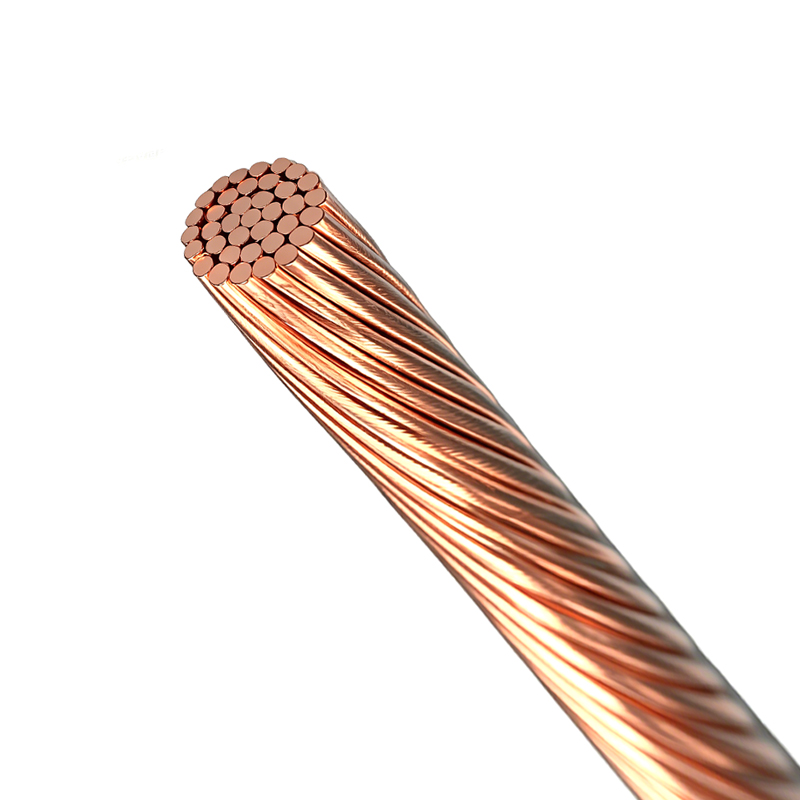
For jobs that call for stranded bare copper rather than a single solid conductor, our copper stranded wire TJ, TJR, and TJX series is a natural place to compare constructions.
 Copper Stranded Wire TJ, TJR and TJX SeriesCompare hard-drawn, annealed, and tin-plated stranded copper constructions from 2.5–400 mm², with controlled DC resistance for power, grounding, and equipment wiring.View Product →
Electrical Performance: Resistance, Voltage Drop, and Ampacity
At 20°C, 14 AWG copper has a resistance of about 8.286 Ω per kilometer, or 2.525 Ω per 1,000 ft. That number is useful for quick voltage-drop checks. For example, a 10 m run carrying 10 A drops roughly 0.83 V in the copper alone. On short control, grounding, and panel runs, that is usually acceptable. On long feeders or low-voltage circuits, the drop may become the limiting factor, and a larger conductor can be the better choice even if the wire is not overheating.
Ampacity is often misunderstood. Many installers know 14 AWG copper as a 15 A conductor in 60°C insulated branch circuits. Bare copper in free air can run cooler than an insulated conductor, but that does not mean any bare 14 AWG wire is automatically suitable for a higher current. The real answer depends on ambient temperature, bundling, termination rating, continuous versus intermittent load, and the applicable electrical code. Treat table values as a starting point, not a permission slip.
What affects current-carrying capacity?
- Heat removal from the conductor surface, including free air versus enclosure.
- Termination temperature ratings and the weakest point in the circuit.
- Continuous load, duty cycle, and allowable voltage drop.
- Local code requirements, which may be more restrictive than a manufacturer’s data.
Mechanically, soft bare copper is easy to bend and form. It can work-harden if it is flexed repeatedly, so solid 14 AWG wire is best for fixed wiring, while stranded constructions suit vibration or repeated movement. Keep bends smooth and avoid nicking the surface during stripping or termination; a deep scratch becomes a stress point and can affect resistance or corrosion resistance over time.
Where 14 AWG Bare Copper Wire Fits in Real Projects
Grounding and bonding
Bare copper is common in grounding and bonding because it needs no jacket and provides a direct metallic path. You will see 14 AWG bare copper in small equipment bonding jumpers, control panel grounds, and low-current connections. Grounding conductor size is not chosen by habit, however. It depends on the circuit rating, overcurrent protection, system grounding arrangement, and code. A 14 AWG wire may be correct in one assembly and undersized in another.
Panel and control wiring
Inside control cabinets, 14 AWG solid bare copper can be formed neatly along terminal blocks and relay bases. It holds its shape, takes a tight bend, and keeps wiring tidy. In high-vibration equipment, stranded bare copper is usually more forgiving. For finished control circuits, many designers move to an insulated control cable once the conductor leaves the enclosure.
OEM fabrication and low-voltage connections
Manufacturers also use 14 AWG bare copper in custom harnesses, sensor leads, test fixtures, and low-voltage connections. It solders well when clean, accepts compression and mechanical terminations, and is easy to cut and form. Tinned 14 AWG copper is often preferred where humidity, sulfur, or long storage can dull the surface and complicate soldering.
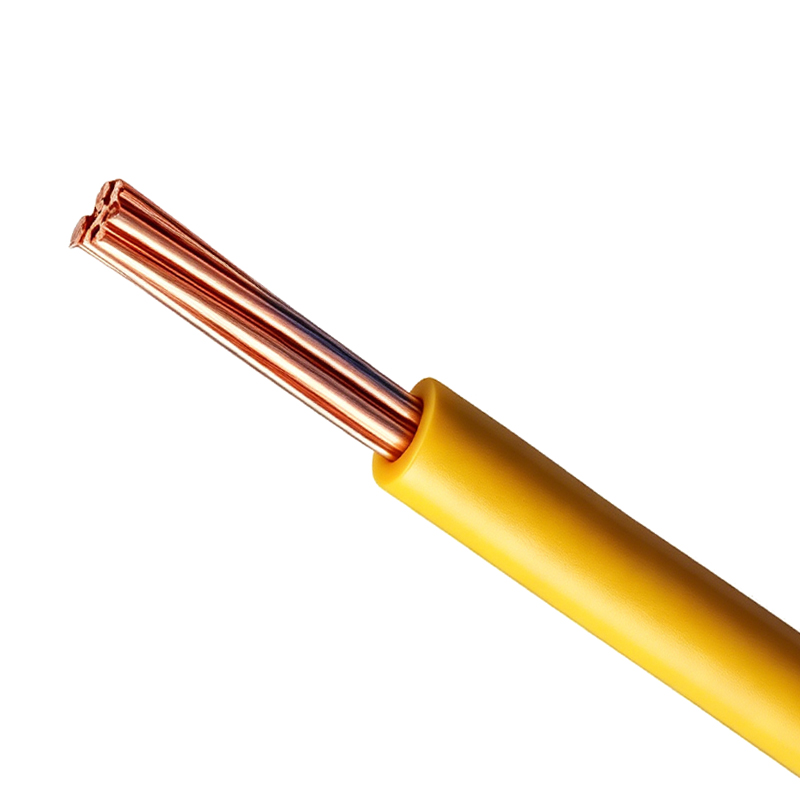
Many finished cables start life as a 14 AWG copper conductor. When the application needs insulation rather than bare metal, our PVC insulated cable and wire range for 450/750 V and below is a practical next step.
 PVC Insulated Cable and Wire, 450/750 VUse this PVC-insulated range for fixed wiring up to 450/750 V, with annealed copper or aluminum conductors and BV, RV, and RVV types.View Product →
Solid, Stranded, Bare, or Tinned?
The right form of 14 gauge bare copper wire depends on how it will be installed and what the termination expects. A few practical distinctions help:
- Solid bare copper is stiff, holds bends, and terminates cleanly in many panel and grounding applications. It is less tolerant of repeated flexing.
- Stranded bare copper is more flexible and resists vibration fatigue, but it needs the correct terminal or lug and may require a suitable end finish.
- Tinned copper adds a thin tin coating that slows oxidation and improves solderability. It is useful in humid, sulfur-bearing, or long-storage conditions, with a small trade-off in conductivity.
- Soft annealed copper is the normal choice for electrical work. Hard-drawn copper is stronger but less flexible and is reserved for specific mechanical needs.
For 14 AWG, solid wire is often the default in panels and grounding, while stranded wire is chosen where movement or vibration is expected. If the wire will be visible or handled frequently, also consider the surface finish and spool package; a bright, clean surface is easier to inspect and terminate.
How to Specify and Inspect 14 Gauge Bare Copper Wire
A short, clear specification prevents most surprises. Include the following points in your purchase request:
- Conductor material and grade, such as electrical-grade copper and soft annealed temper.
- Size and construction: 14 AWG solid or stranded, with the stranding class stated if stranded.
- Surface condition: bright bare or tinned, plus any limit on oxidation or surface defects.
- Standards and tests: diameter, DC resistance, elongation, surface inspection, and the applicable ASTM or IEC reference.
- Packaging and documentation: spool or coil length, label details, and inspection certificates if required.
On incoming inspection, measure the diameter with a calibrated micrometer, check resistance with a Kelvin bridge or four-wire meter, and look for nicks, die marks, and uneven tinning. Confirm the spool length and winding quality as well; a loose spool can damage the wire before it reaches the job. Our factory uses drawing, stranding, and testing equipment suited to both bare conductors and finished cables, so specifications can be matched to the application rather than forced into a catalog number.
Common Questions About 14 Gauge Bare Copper Wire
Is 14 AWG the same as 2.0 mm²?
They are close but not identical. A 14 AWG conductor has about 2.08 mm² of copper area, while a nominal 2.0 mm² conductor is slightly smaller. Do not substitute one for the other without checking resistance, ampacity, and termination requirements.
Can 14 gauge bare copper wire be used for grounding?
It can be, but the size must follow the applicable code and the circuit it protects. A 14 AWG grounding conductor may be acceptable for some small circuits and equipment, but larger circuits often require a larger grounding conductor. Verify the requirement before installing.
What is the difference between bare and tinned copper?
Bare copper has the highest conductivity and a clean, bright surface when new. Tinned copper has a thin coating that resists oxidation and improves solderability, with a slight increase in resistance. The better choice depends on the environment and storage time.
What lengths and packages are available?
Bare copper wire is commonly supplied on spools, coils, and cut lengths. Specify the length, spool type, and maximum number of joints, because those details affect handling and installation efficiency.
Choosing 14 gauge bare copper wire is usually a matter of matching the conductor to the job: confirm the diameter and area, decide between solid and stranded, select bare or tinned surface, and check the ampacity and voltage drop against the installation. When the wire is also the starting point for a finished cable, the same discipline carries through drawing, stranding, insulation, and testing.
If you are comparing suppliers or need a conductor built to a specific standard, contact our team with your size, temper, stranding, and packaging requirements. We will help you narrow the options without overcomplicating a practical decision.
-
Copper Stranded Wire (TJ, TJR & TJX Series)
-
PVC Insulated Cable and Wire (Rated Voltage 450/750V and below)
-
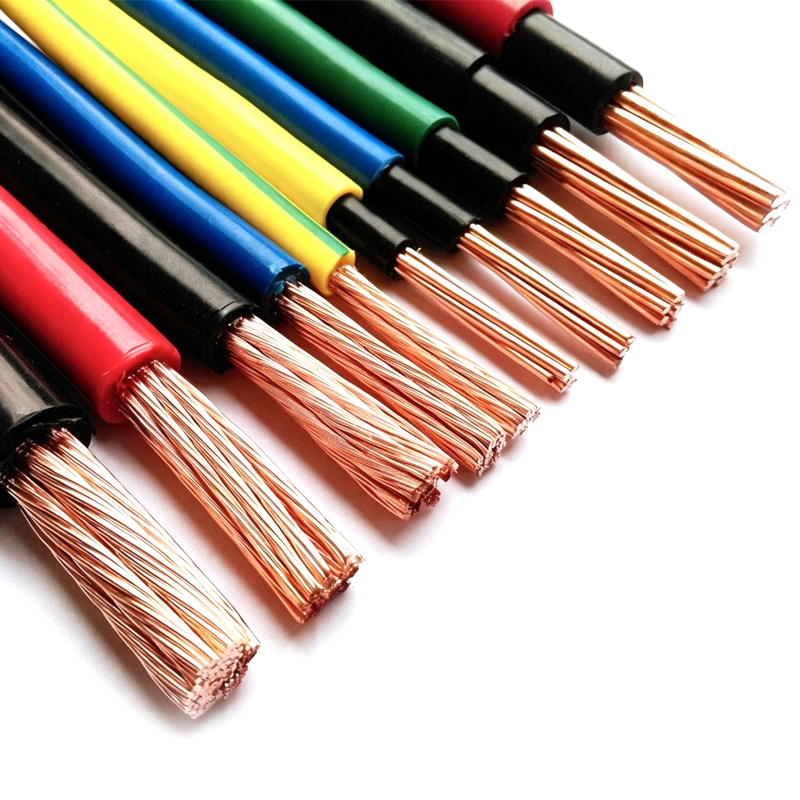
Cross-linked Polyolefin (XLPO) Insulated Wire and Cable (Rated Voltage 450/750V and below)
-
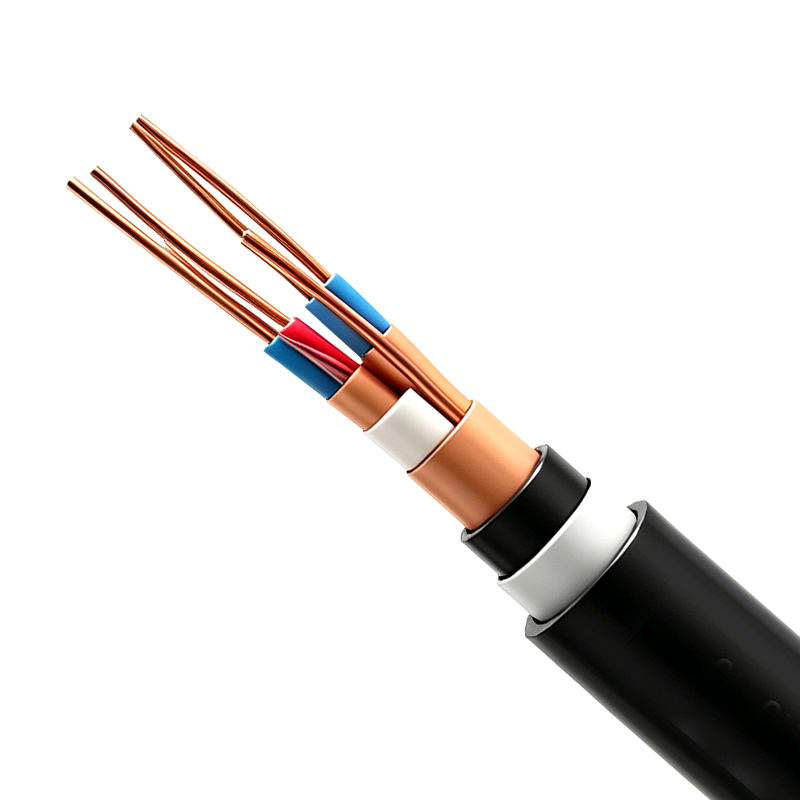
Computer and Instrument Shielded Cable
-
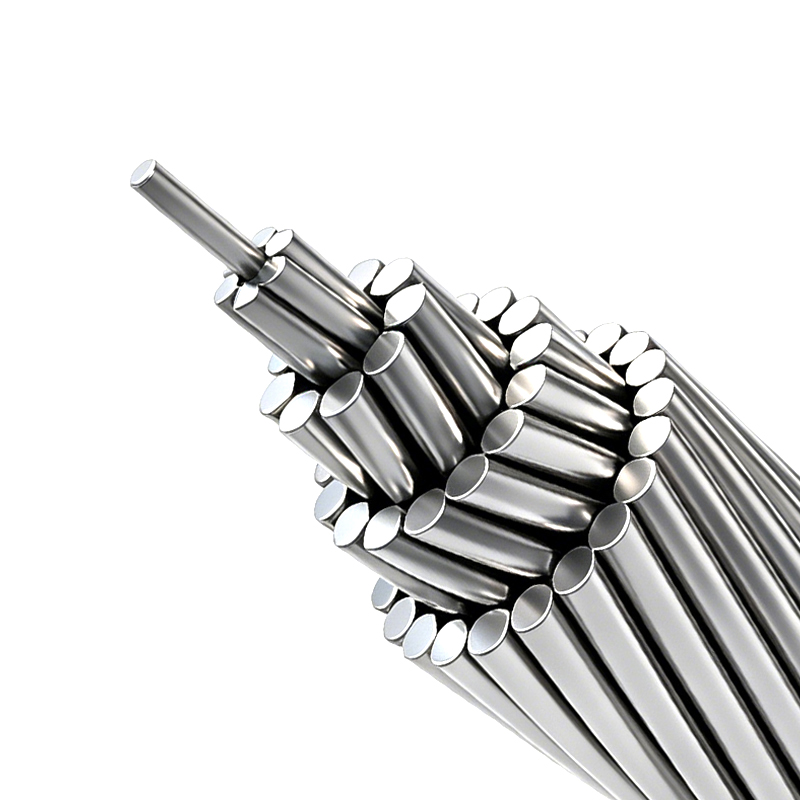
AAC, AAAC & ACSR - Aluminum and Aluminum Alloy Stranded Conductors

Copyright © Wuxi Guanghuan Cable Co., Ltd. All Rights Reserved. Power Cables Manufacturer Electrical Wire And Cable Factory

