


 English
 中文简体
中文简体 русский
 Español
 عربى
عربى
The difference between ordinary insulated wires and flame retardant wires
In the field of power transmission and electricity safety, although ordinary insulated wires and flame-retardant wires have similar appearances, there are essential differences in safety logic, performance, and application scenarios. Accurate understanding of the differences between the two is the key to building a solid line of defense for electricity safety.
1. Core functions: the essential difference between basic protection and active fire prevention
Ordinary insulated wires focus on power transmission and basic insulation. The insulation layer is made of conventional PVC and other materials, which can only resist the risk of daily leakage. When exposed to open flames or high temperatures, the insulation layer is easy to soften and melt. Not only cannot it prevent the spread of fire, it may also release toxic gases, exacerbating fire hazards.
The core of flame-retardant wires is that they are "refractory to fire and self-extinguishing when removed from fire." The insulation layer is added with special flame-retardant ingredients. Even if it encounters a fire source, it can effectively suppress the spread of flames, delay the burning rate, gain critical time for personnel evacuation and rescue, and upgrade from passive protection to active fire prevention.
2. Material technology: deep differences between conventional configuration and flame-retardant design
The material selection of ordinary insulated wires focuses on cost and basic electrical performance. The production process only meets the insulation integrity and has no special fire protection design. The mechanical strength and heat resistance are both at conventional levels and are suitable for low-risk scenarios.
Flame-retardant wires require stricter material development and process control. Flame retardant capabilities are improved from the source by adding flame retardants such as halides and metal oxides, or using halogen-free and low-smoke formulas. At the same time, the stability of the insulating layer is enhanced through a special cross-linking process to ensure that the flame retardant performance is long-term and reliable, and it is not easily degraded by aging even if it is operated for a long time.
3. Application scenarios: precise adaptation of low-risk and high-risk scenarios
Ordinary insulated wires are suitable for low-risk scenarios such as home lighting branch lines and power supply for small office equipment. In such scenarios, fire hazards are low, and basic power needs can be met through stable transmission.
Flame-retardant wires are a must-have in high-risk scenarios, such as high-rise building evacuation passages, subway tunnels, hospital operating rooms, data centers and other places with densely populated or critical facilities. Once a fire occurs, the flame-retardant ability of wires is directly related to life safety and the operation of core equipment. Flame-retardant wires must be relied upon to meet safety regulations and avoid major risks.
Ordinary insulated wires meet basic electricity needs, and flame-retardant wires build a solid bottom line for safety. There is no superiority or inferiority between the two, but there are differences in scenarios. Choosing the right adapting wire is not only a prerequisite for ensuring stable power consumption, but also the core essence of protecting safety.
-
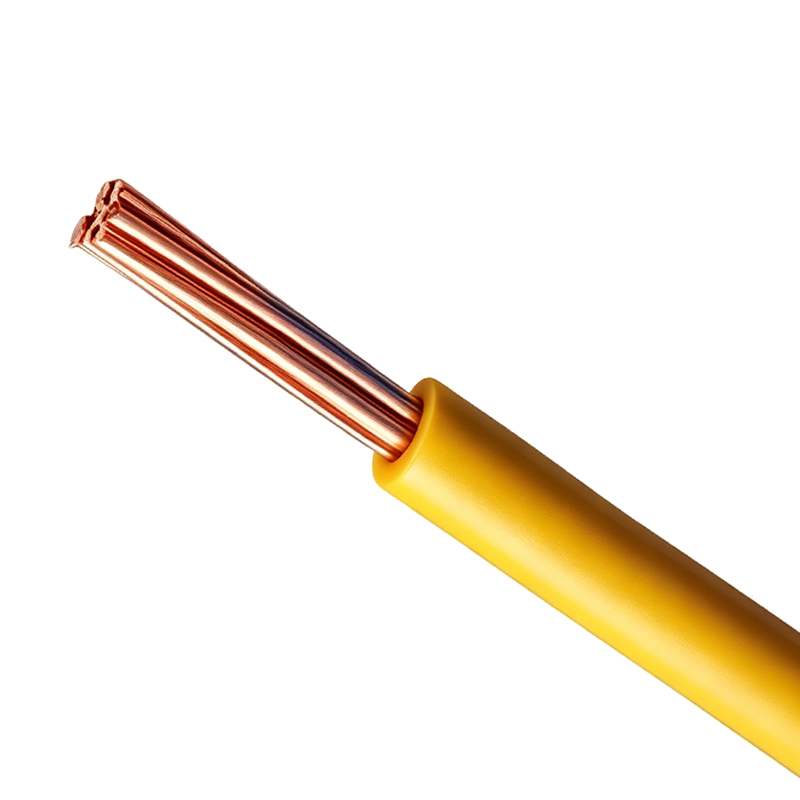
PVC Insulated Cable and Wire (Rated Voltage 450/750V and below)
-
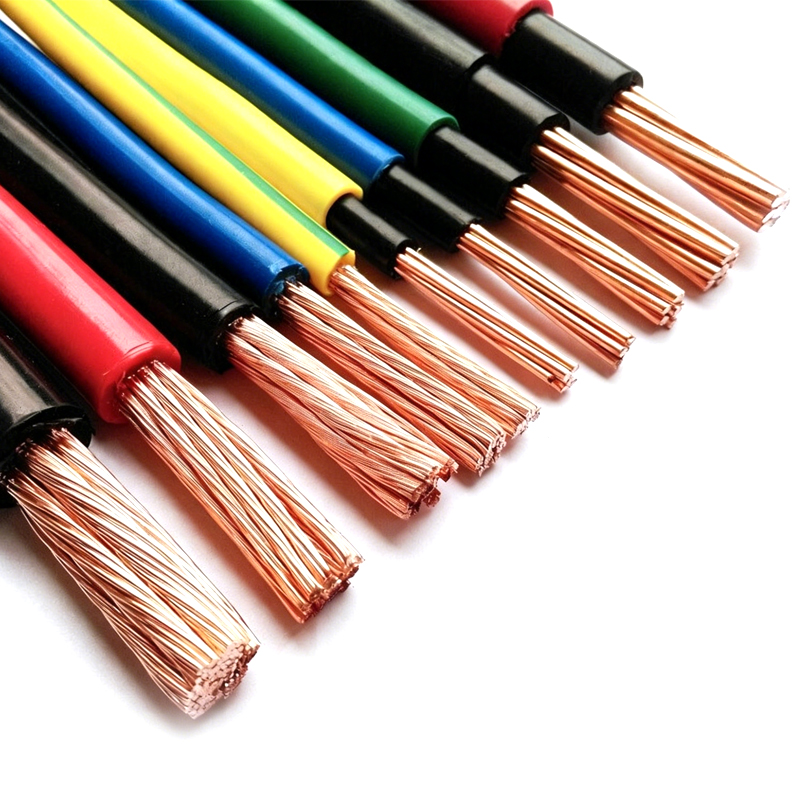
Cross-linked Polyolefin (XLPO) Insulated Wire and Cable (Rated Voltage 450/750V and below)
-
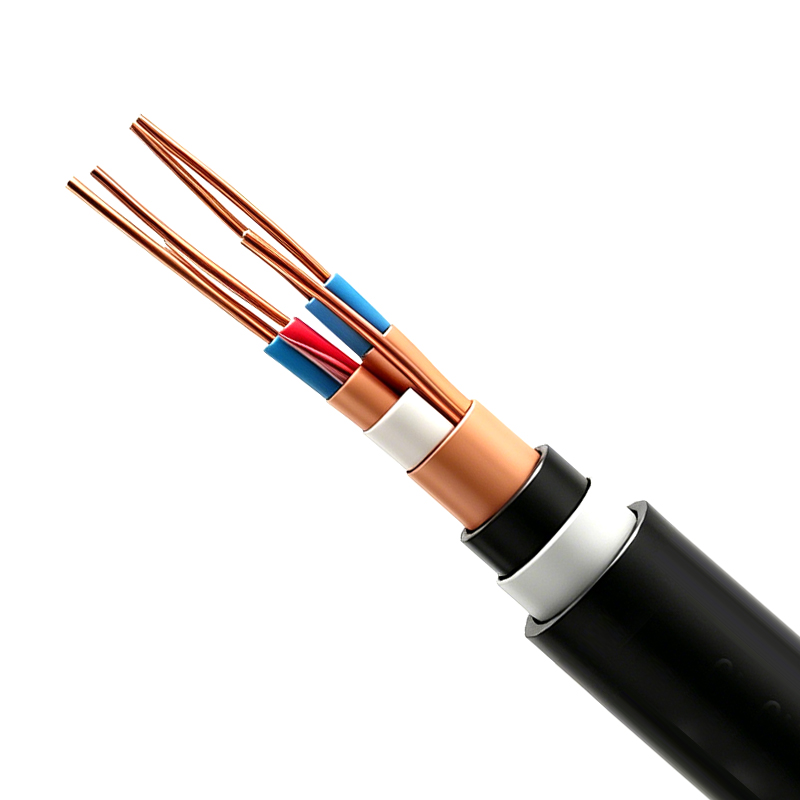
Computer and Instrument Shielded Cable
-
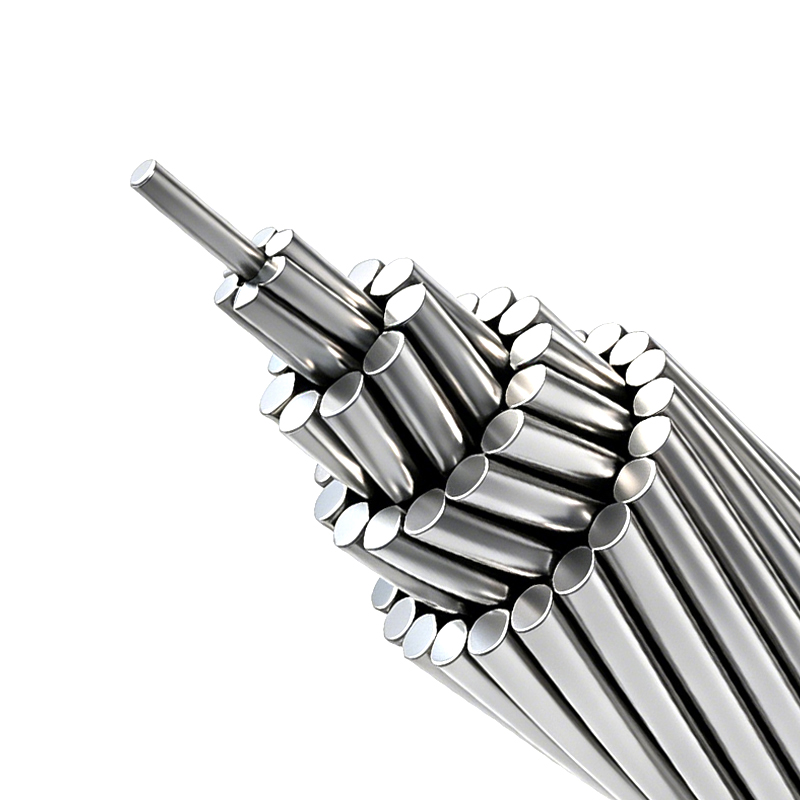
AAC, AAAC & ACSR - Aluminum and Aluminum Alloy Stranded Conductors
-
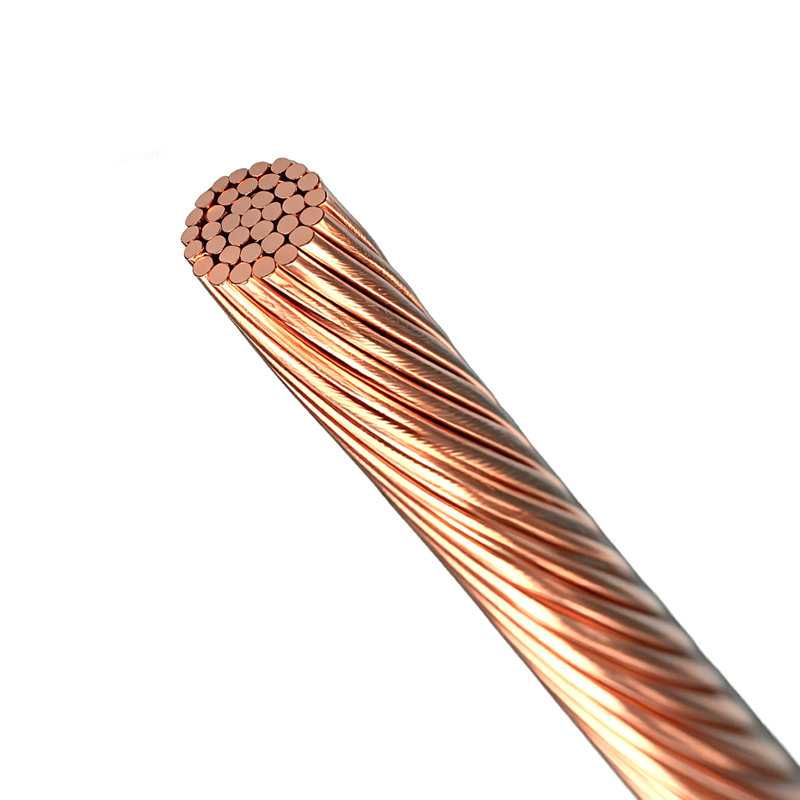
Copper Stranded Wire (TJ, TJR & TJX Series)

Copyright © Wuxi Guanghuan Cable Co., Ltd. All Rights Reserved. Power Cables Manufacturer Electrical Wire And Cable Factory

