-
 Email: [email protected]
-
 Tel: +86-13606153863

 English
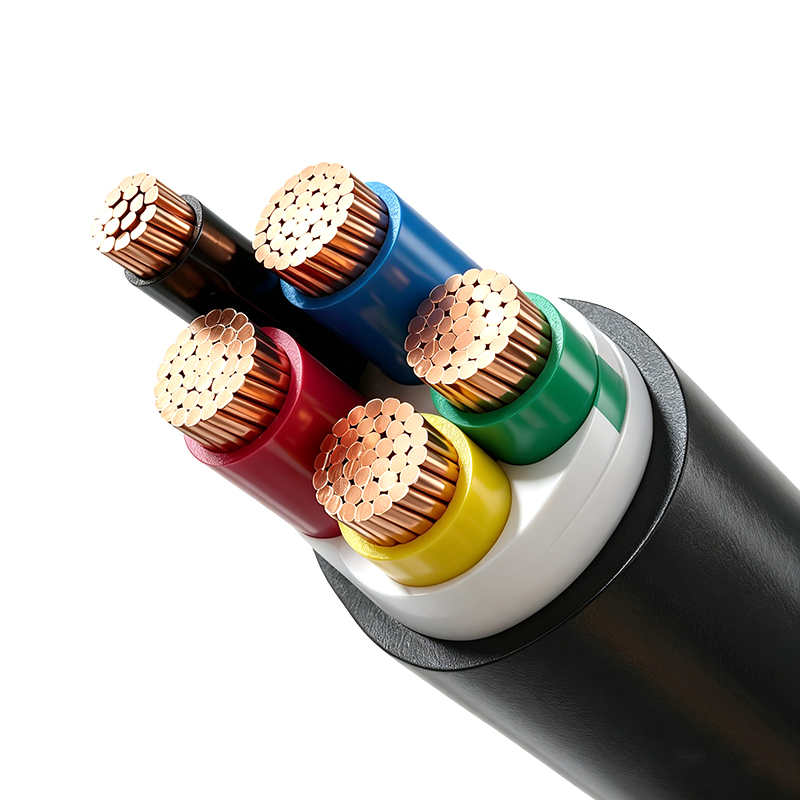
What is the difference between low-voltage cross-linked cables and polyvinyl chloride cables?
The allowable long-term working temperature for wire and cable cores is usually 65 ℃ for rubber insulation, 70 ℃ for PVC insulation, and 90 ℃ for cross-linked polyethylene insulation; The higher allowable temperature for conductors during short circuits (with a duration not exceeding 5 seconds) is 160 ℃ for PVC insulation and 250 ℃ for cross-linked polyethylene insulation.
What are the differences between low-voltage cross-linked cables and polyvinyl chloride cables?
1. Low voltage cross-linked (XLPE) cables have developed rapidly since their application in the mid-1990s, and currently share half of the market share with polyvinyl chloride (PVC) cables. Compared with polyvinyl chloride cables, cross-linked cables have higher current carrying capacity, stronger overload capacity, and longer service life (PVC cables generally have a thermal life of 20 years in better environments, while XLPE cables generally have a thermal life of 40 years); PVC decomposes and releases a large amount of black smoke and toxic gases during combustion, while XLPE does not produce halogen toxic gases during combustion. The superiority of cross-linked cables is increasingly recognized by design and usage departments.
2. Ordinary PVC wires and cables (insulated and sheathed) burn rapidly, fueling the fire and losing power supply within 1-2 minutes. The black smoke released by their combustion decomposition can reach the level of being out of reach, causing difficulty in breathing and evacuation for personnel. More seriously, when PVC burns, it decomposes and releases highly toxic and corrosive halogen gases such as hydrogen chloride (HCL) and dioxins, which are the main causes of death in fires (accounting for 80% of fire related deaths). They also form dilute hydrochloric acid conductive films that adhere to electrical equipment, seriously reducing the insulation performance of the equipment and forming a secondary disaster that is difficult to eliminate.

Copyright © Wuxi Guanghuan Cable Co., Ltd. All Rights Reserved.

