-
 Email: [email protected]
-
 Tel: +86-13606153863

 English
Two minutes to understand the electrical performance testing of cables
A certain quality inspection agency once conducted a sampling survey on domestic wires and cables, and the results showed that the qualification rate of their wires and cables was also below 90%. However, those small-scale wire and cable production enterprises that have not passed certification have a product qualification rate of less than 30%. The quality of wires and cables in China is worrying.
So, don't be too busy talking about whose cables are cheaper. Let me introduce you to electrical performance testing, one of the common inspection items for wires and cables. I hope to help you better understand the knowledge of wires and cables.
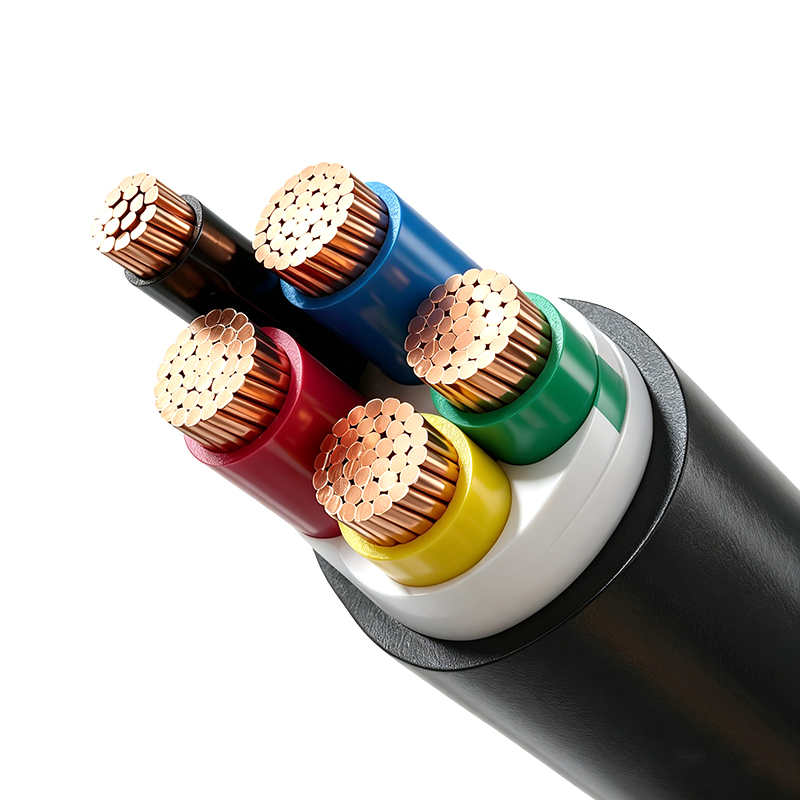
Electrical performance testing mainly includes conductor DC resistance, insulation resistance, finished product voltage test, and insulation wire core voltage test, each of which is very important.
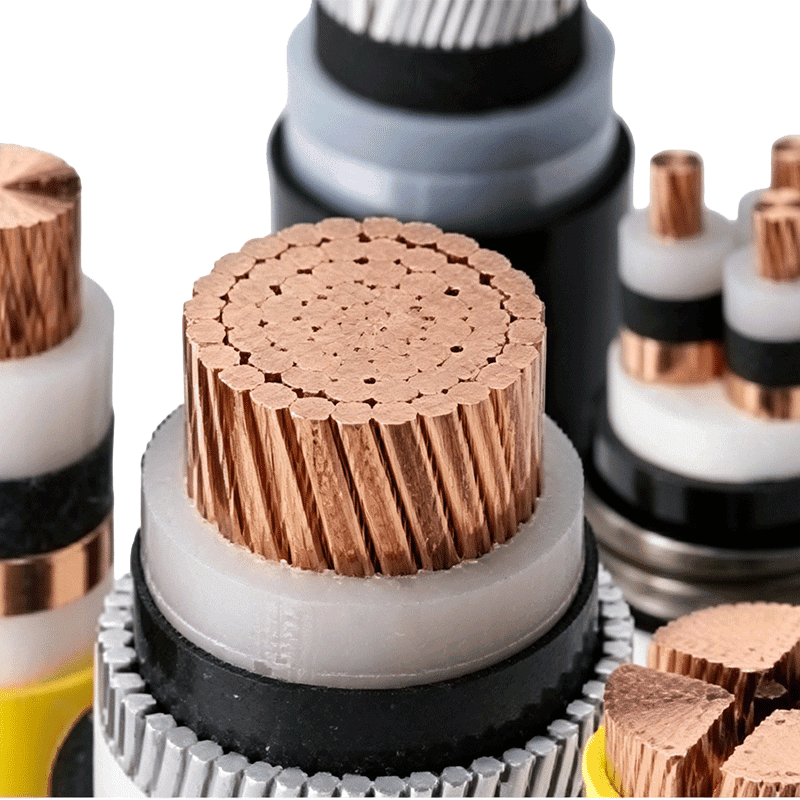
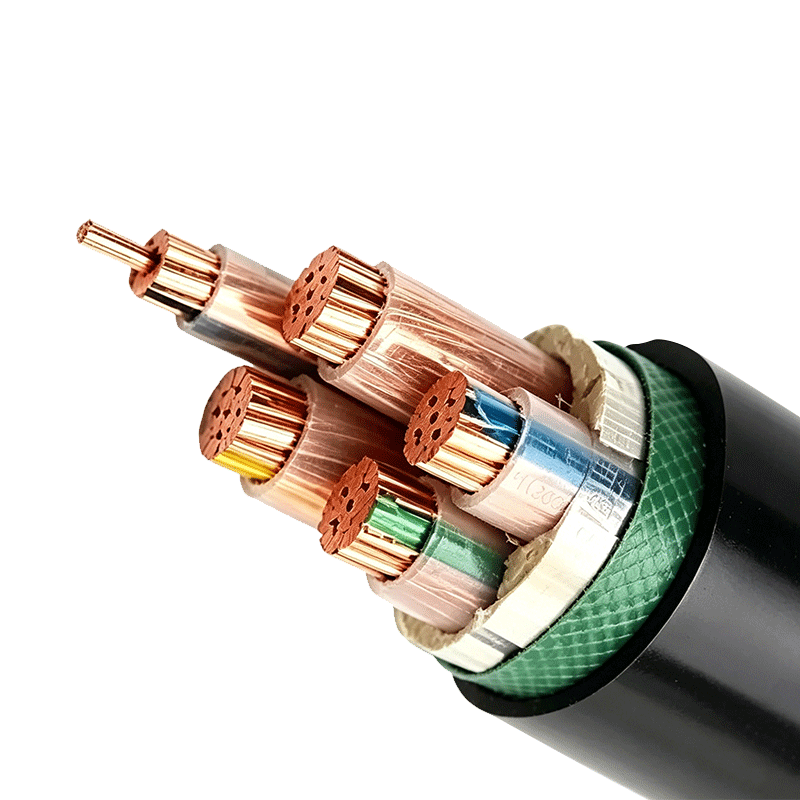
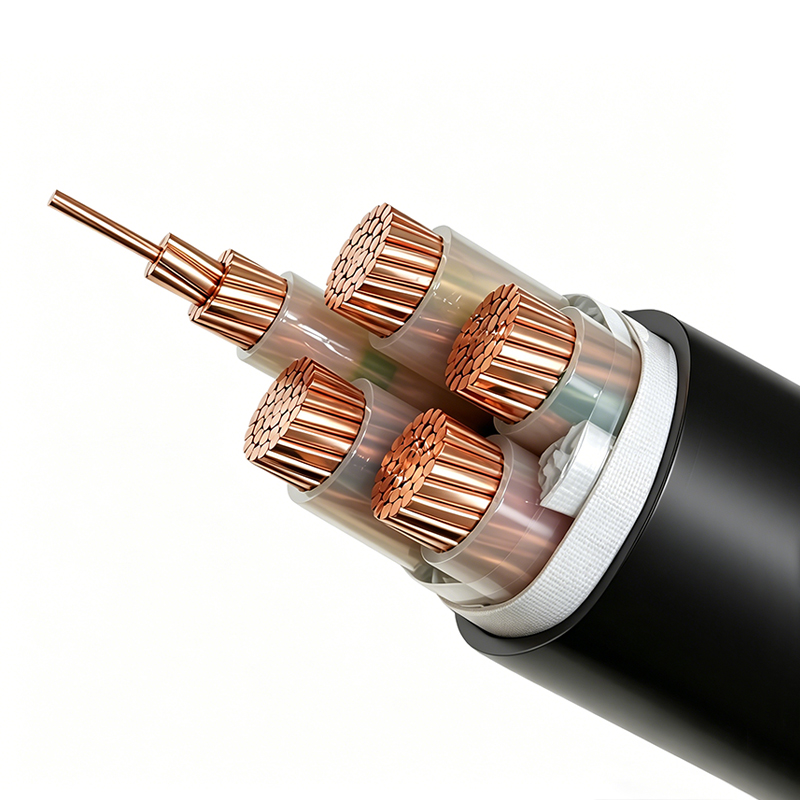
The conductor resistance directly reflects the electrical transmission performance of the cable, which directly affects the temperature, service life, voltage drop, and operational safety of the cable during power operation. It mainly tests the material and cross-sectional area of the conductor. If the material of the conductor is poor or the cross-sectional area is seriously insufficient, it will cause the direct current resistance of the conductor to exceed the standard. This type of cable will increase the loss of current passing through the line when it is laid in the line, causing the cable conductor itself to heat up, causing the insulation of the wrapped conductor to age and crack, resulting in leakage, short circuit, and even fire in the power supply line, endangering the safety of people and property. The standard has strict regulations on the DC resistance value of conductors for cables of different specifications, which shall not exceed the value specified in the standard.
The insulation resistance, finished product voltage test, and insulation wire core voltage test all test the electrical insulation performance of the cable insulation layer and sheath layer. The insulation resistance is the resistance of the insulation material between two conductors, and it should be large enough to provide insulation protection. The finished product voltage test and insulation wire core voltage test not only require the cable to have sufficient insulation capacity, but also require the insulation or sheath material to be uniform and free of impurities, with sufficient thickness, and the surface should not have invisible sand holes, pinholes, etc., otherwise it will cause local breakdown during the withstand voltage test.

Copyright © Wuxi Guanghuan Cable Co., Ltd. All Rights Reserved.

