-
 Email: [email protected]
-
 Tel: +86-13606153863

 English
What is the difference between high voltage cables and low voltage cables?
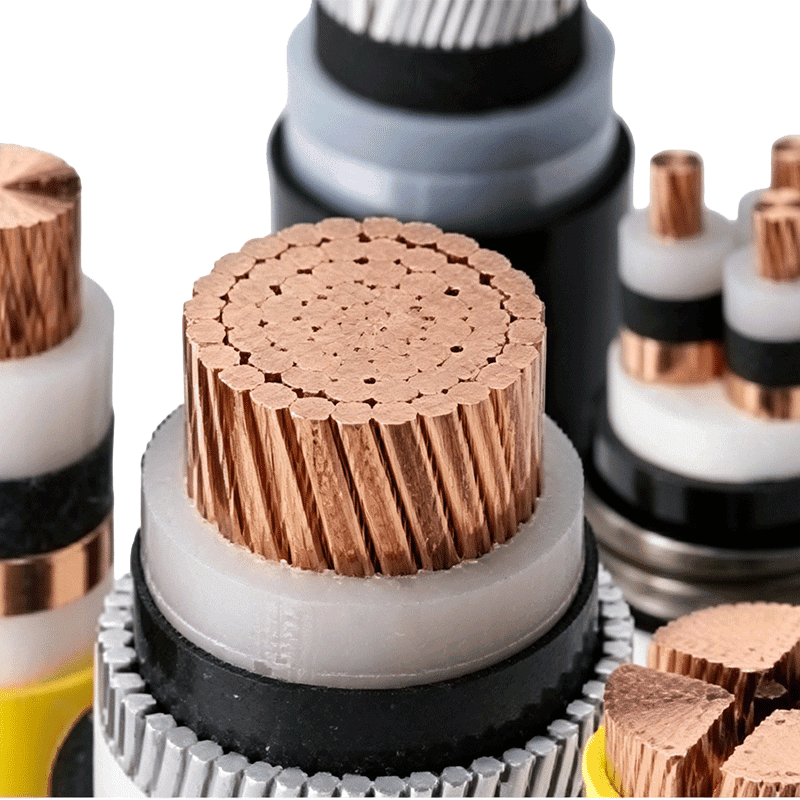
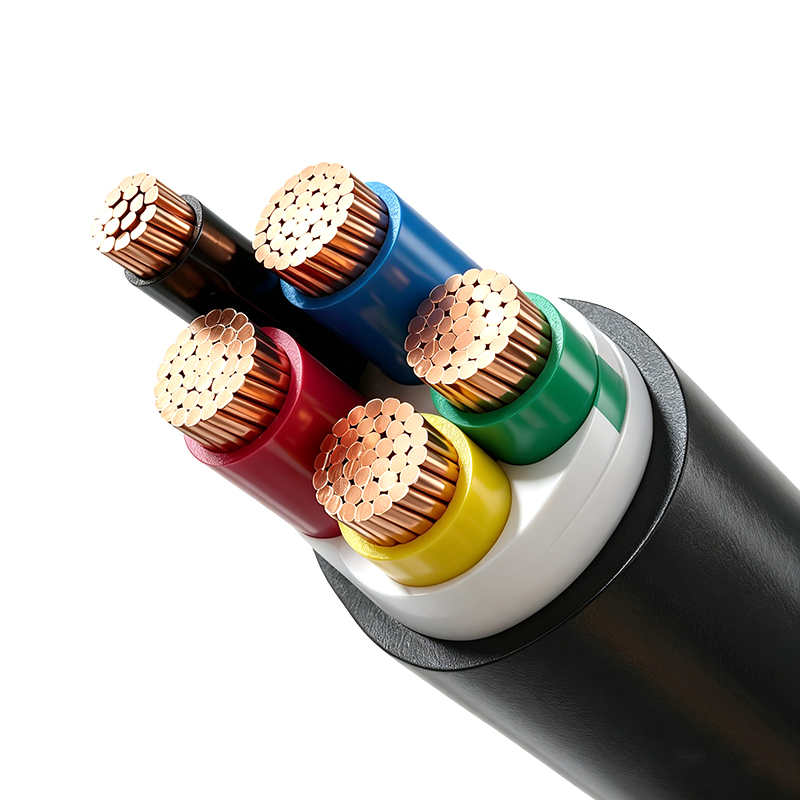
Let me take you through the structures of low-voltage and high-voltage cables: high-voltage cables consist of conductor, inner semiconductor layer, insulation layer, outer semiconductor layer, metal armor, and sheath layer from the inside out.
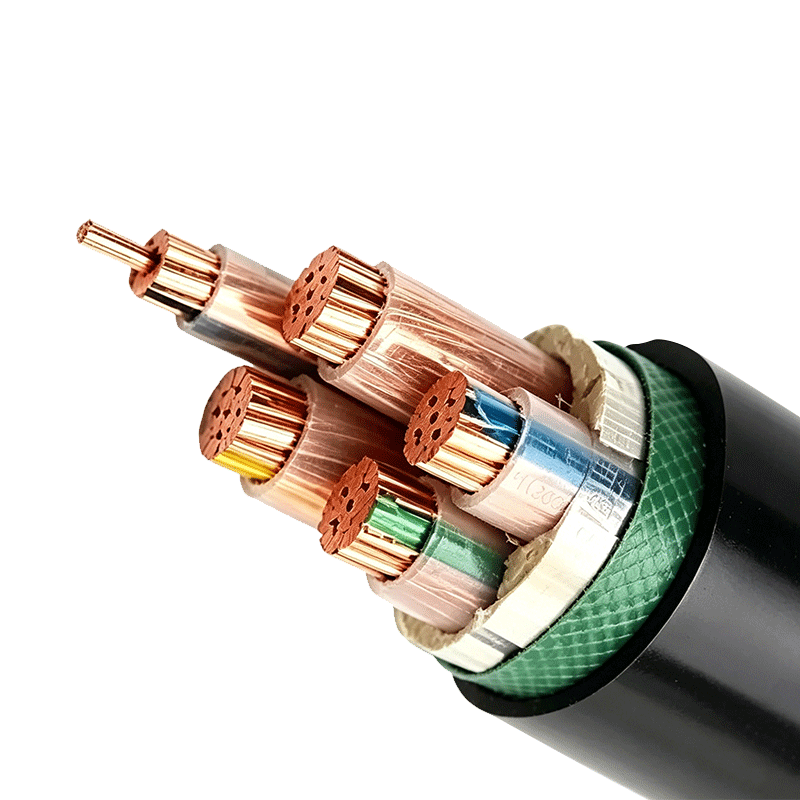
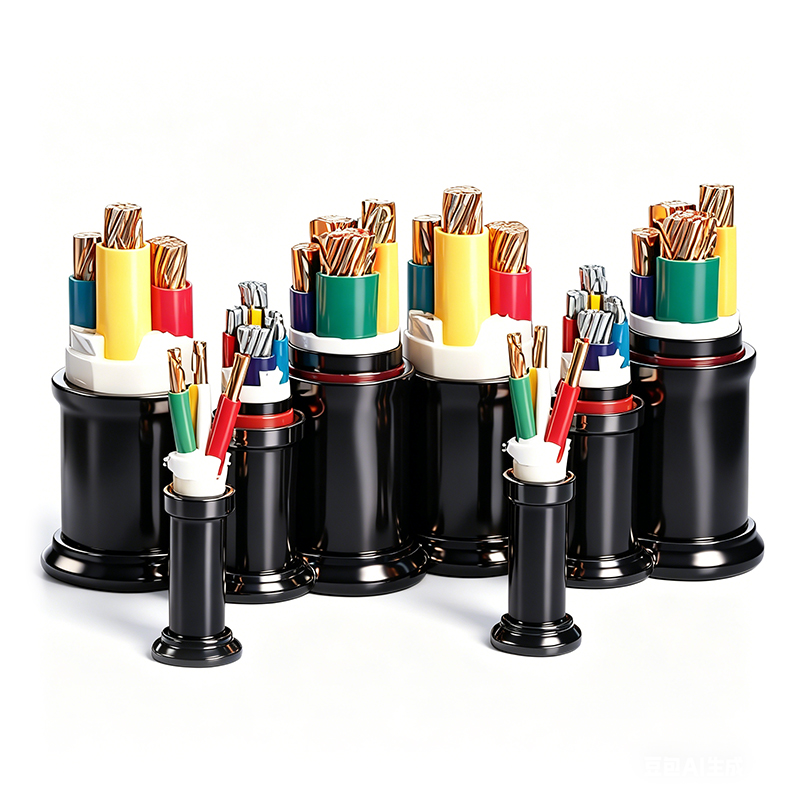
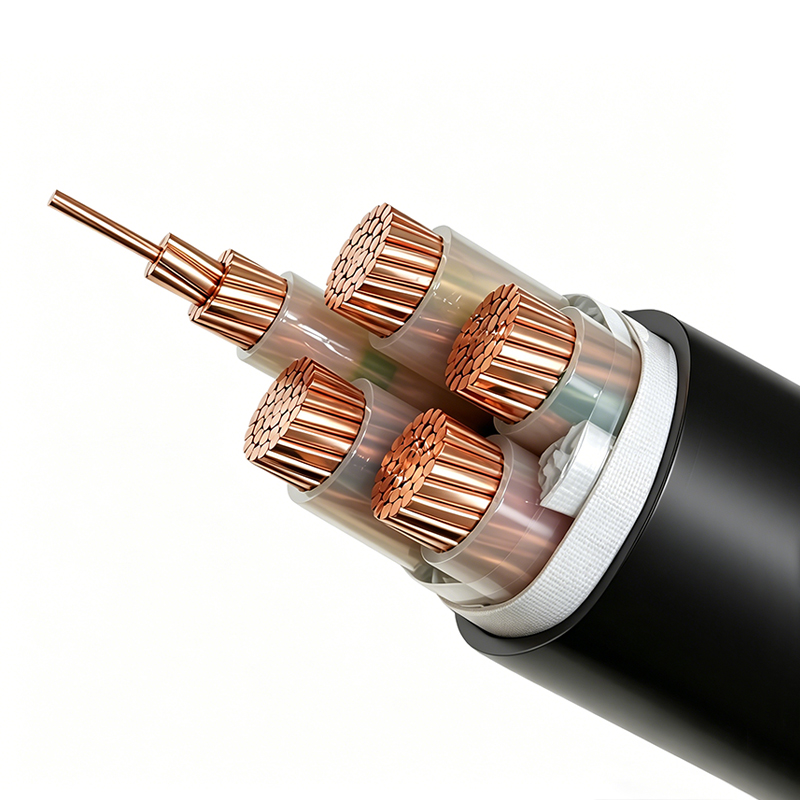
Low-voltage cables are divided into conductor insulation layer, steel strip sheath from inside to outside (many low-voltage cables do not have steel strips); The main difference between high-voltage cables and low-voltage cables is that high-voltage cables have more semiconductor layers and shielding layers than low-voltage cables. So the insulation layer of high-voltage cables is much thicker than that of low-voltage cables, and the structure is complex, with high process requirements.
1、 Semiconductor layer
The main function of the inner semiconductor layer is to improve the electric field effect. Due to the gap between the high-voltage cable conductor and the insulation layer, partial discharge is prone to damage the insulation layer. To improve this situation, a shielding layer of semiconductor material is added between the metal conductor and the insulation layer to serve as a transition. The outer semiconductor layer and the inner semiconductor layer have the same function, which is to prevent partial discharge between the insulation layer and the metal sheath.
2、 Shielding layer
The main functions of the metal shielding layer of high-voltage cables are threefold:
1. Shielding electric fields
Since it is a shielding layer, as the name suggests, it plays a role in shielding. The voltage inside the high-voltage cable is relatively high, and the electric field it generates is very strong. The shielding layer can effectively prevent the high-voltage cable from interfering with the outside world.
2. Current through the capacitor during operation
The inner layer of the high-voltage line is a conductor, with an insulation layer in the middle and a metal sheath on the outside. Two conductors (internal copper wire+metal sheath) separated by an insulating medium (insulation layer) can be regarded as a capacitor. The basic principle of a capacitor is two metal plates separated by an insulating medium. AC power can charge and discharge capacitors, so the shielding layer can provide a circuit for capacitor charging and discharging.
In addition, the metal shielding layer and metal armor of high-voltage cables need to be grounded at one end.
3. Can be used as a short-circuit current channel
When the insulation of high-voltage cables is damaged, if there is no shielding layer, the cable will leak to the ground, which poses a hidden danger. If there is a shielding layer, the leakage current will flow to the ground through the shielding layer.
How to distinguish between high-voltage cables and low-voltage cables. Firstly, we can examine the structure. High voltage cables have multiple layers, and when the outer layer is peeled off, there is armor, a shielding layer, an insulation layer, a conductor, etc., inside. Low-voltage cables usually have their outer layer removed, and inside is the insulation layer or wire.
Secondly, the insulation layer of high-voltage cables is relatively thick, while the insulation layer of low-voltage cables is relatively thin. The insulation layer of low-voltage cables is generally within 3 millimeters, while the insulation layer of high-voltage cables is generally above 5 millimeters.
Again, you can refer to the nameplate on the outer layer of the cable. The relevant parameters of the cable are usually printed on the outer layer of the cable, including cable model, cross-sectional area, rated voltage, length, and other parameters.
Have you gained a deeper understanding of the difference between high-voltage cables and low-voltage cables through the above introduction? If you are interested in our wire and cable products, you can consult Jinko Cable's online customer service.

Copyright © Wuxi Guanghuan Cable Co., Ltd. All Rights Reserved.

