-
 Email: [email protected]
-
 Tel: +86-13606153863

 English
Analyze the characteristics of cross-linked polyethylene cables
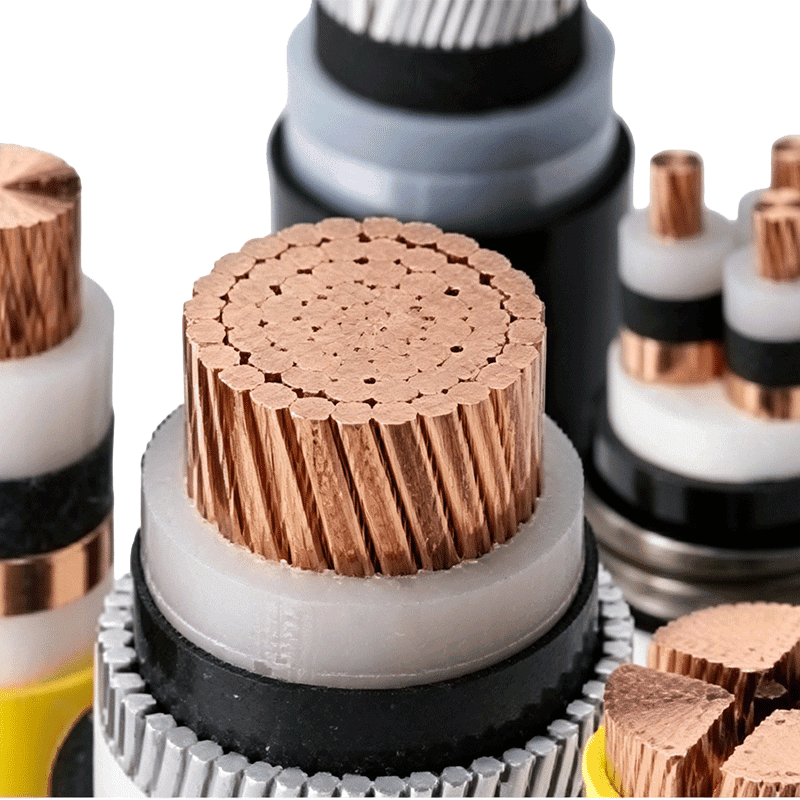
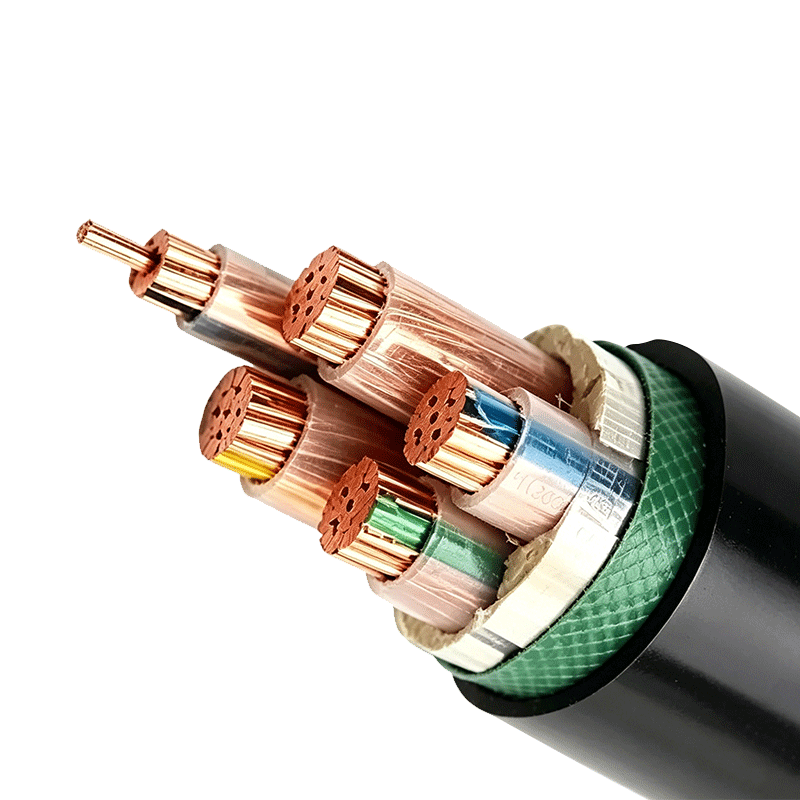
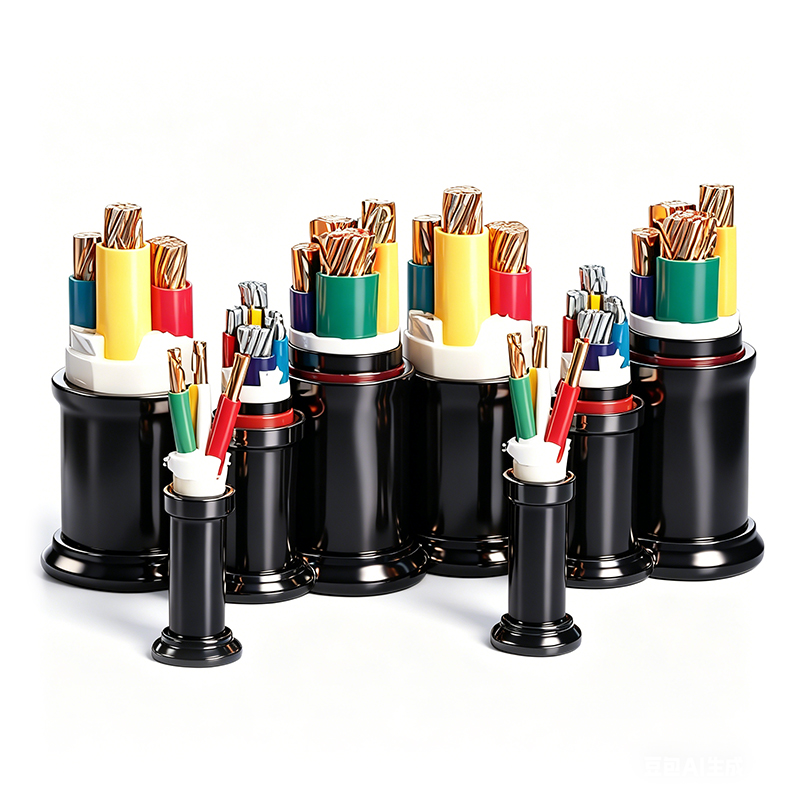
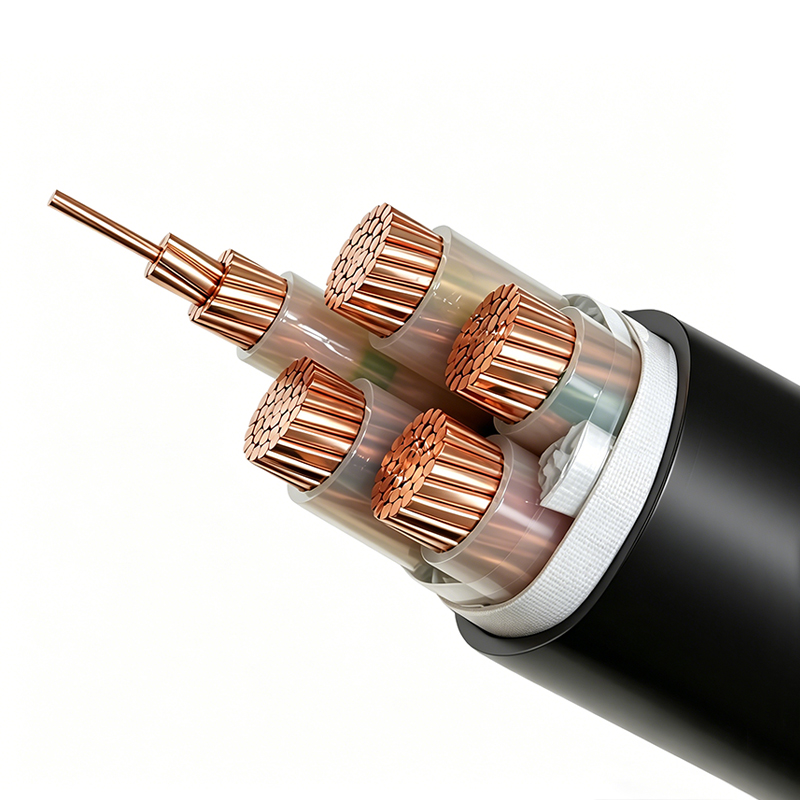
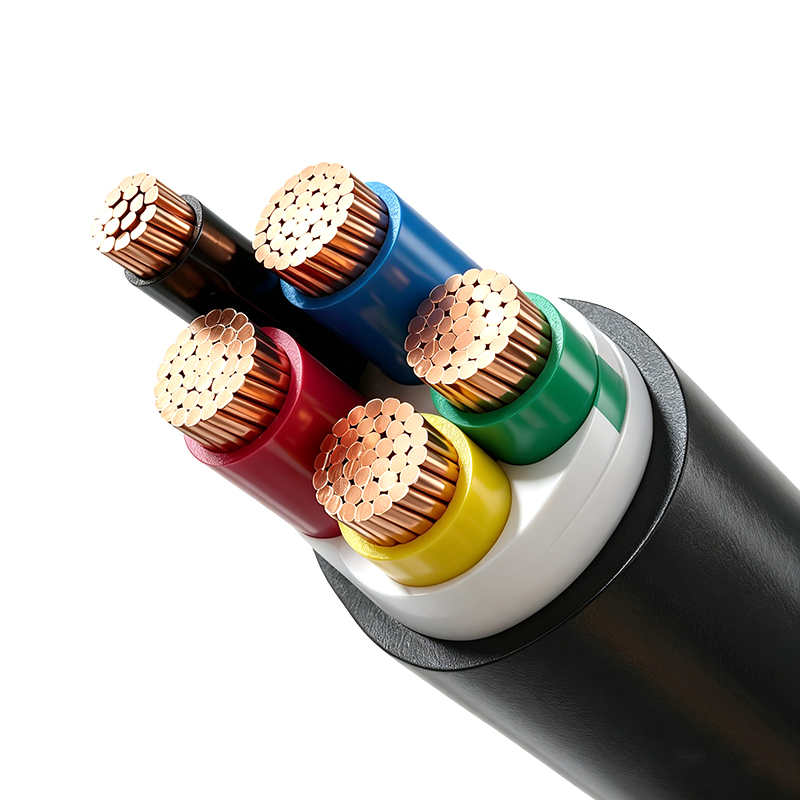
Cross-linked polyethylene cables are widely welcomed by the public due to their electrical and heat resistance, large transmission capacity, lightweight structure, easy bending, simple accessory joints, convenient installation, and no height drop restrictions, especially without the risk of oil leakage and fire. In recent years, they have been continuously developing towards high voltage and high voltage fields, showing a trend of gradually replacing oil paper cables. Let's talk about this environmentally friendly cable in detail below.
The widespread application of cross-linked polyethylene cables is mainly attributed to the performance of the following cross-linked polyethylene:
1. Heat resistance performance
XLPE with a mesh-like three-dimensional structure has heat resistance. It will not decompose or carbonize below 200 ℃, with a long-term working temperature of up to 90 ℃ and a hot use time of up to 40 years.
2. Insulation performance
XLPE maintains the good insulation properties of PE and further increases the insulation resistance. Its dielectric loss tangent is very small and is not greatly affected by temperature.
3. Mechanical characteristics
Due to the establishment of new chemical bonds between macromolecules, the hardness, stiffness, wear resistance, and impact resistance of XLPE have been improved, thus compensating for the disadvantage of PE being prone to cracking under environmental stress.
4. Chemical resistance properties
XLPE has strong acid and alkali resistance, as well as oil resistance. Its combustion products are mainly water and carbon dioxide, which pose little harm to the environment and meet the requirements of modern fire protection.
The original insulation material for wires and cables was mainly polyvinyl chloride, but due to the presence of halogens in polyvinyl chloride, accidents and burning of wires and cables can release toxic smoke, seriously polluting the environment and hindering the firefighting and evacuation of personnel. Cross-linked polyethylene is an environmentally friendly type of wire and cable that does not produce harmful substances during combustion, flame retardants do not contain halogens, and does not emit toxic gases during daily operation.
The heat resistance of cables insulated with cross-linked polyethylene is higher than that of polyvinyl chloride. It can be used for a long time at 90 ℃ and can withstand high temperatures up to 250 ℃ during short circuits. The insulation resistance is high, the dielectric loss tangent is small, and it basically does not change with temperature changes. It has good wear resistance and resistance to environmental stress cracking. Once cross-linked polyethylene is burned, it produces carbon dioxide and water, while PVC cables produce harmful gases such as hydrogen chloride during combustion. In addition, the density of cross-linked polyethylene is about 40% lower than that of PVC, which can reduce the quality of overhead wires.

Copyright © Wuxi Guanghuan Cable Co., Ltd. All Rights Reserved.

