-
 Email: [email protected]
-
 Tel: +86-13606153863

 English
The difference between ordinary insulated wires and flame-retardant wires
Everything in the world has its own attributes and levels, not to mention the wide application and variety of cable products. Even if you are in the industry, you may not know everything. Today's article, compiled by the editor, provides a brief introduction to ordinary insulated wires and flame-retardant wires, hoping to help you better understand.
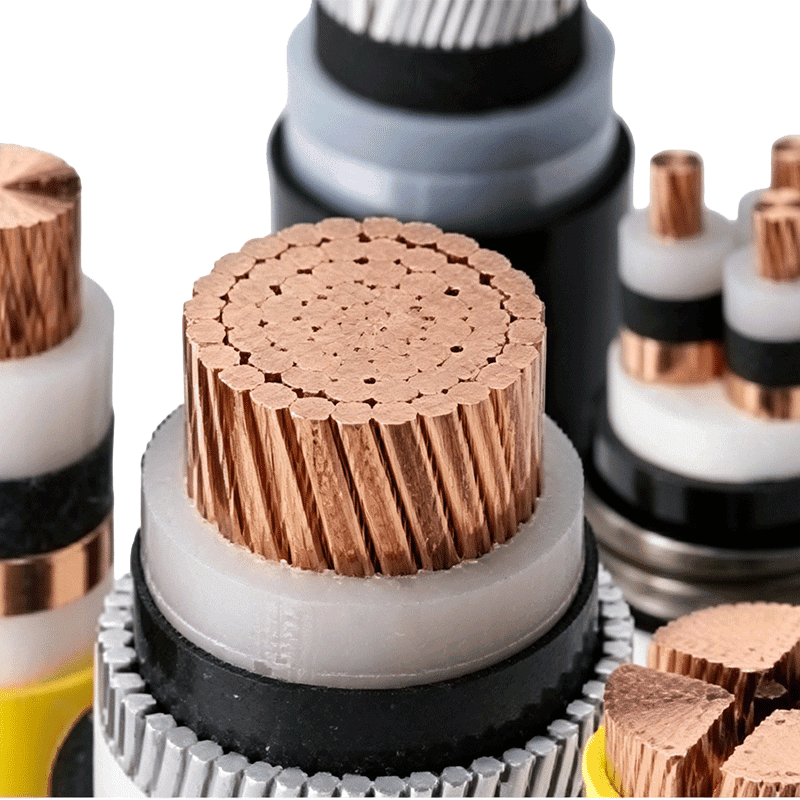
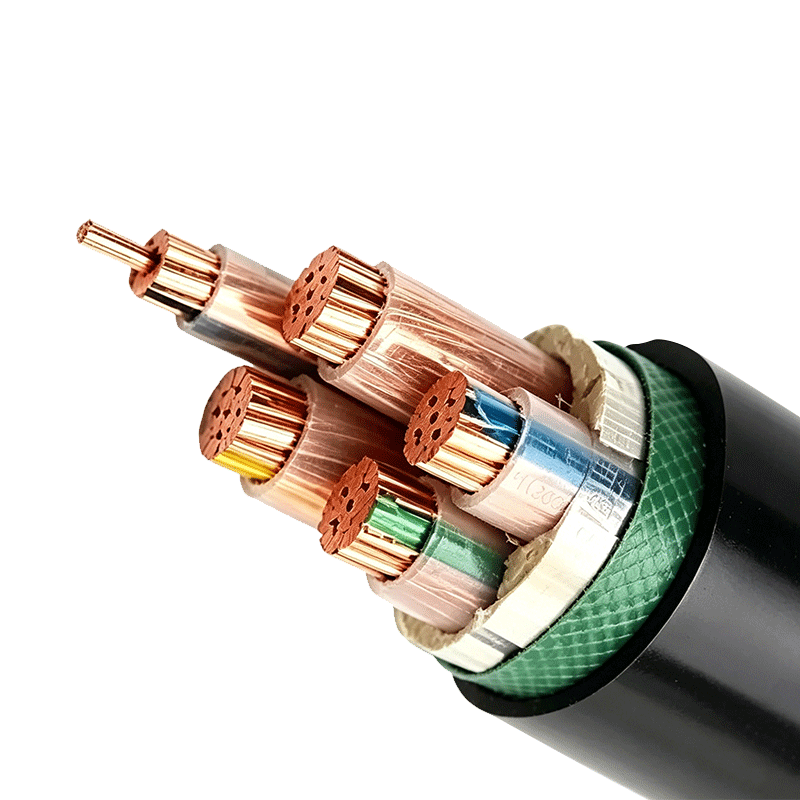
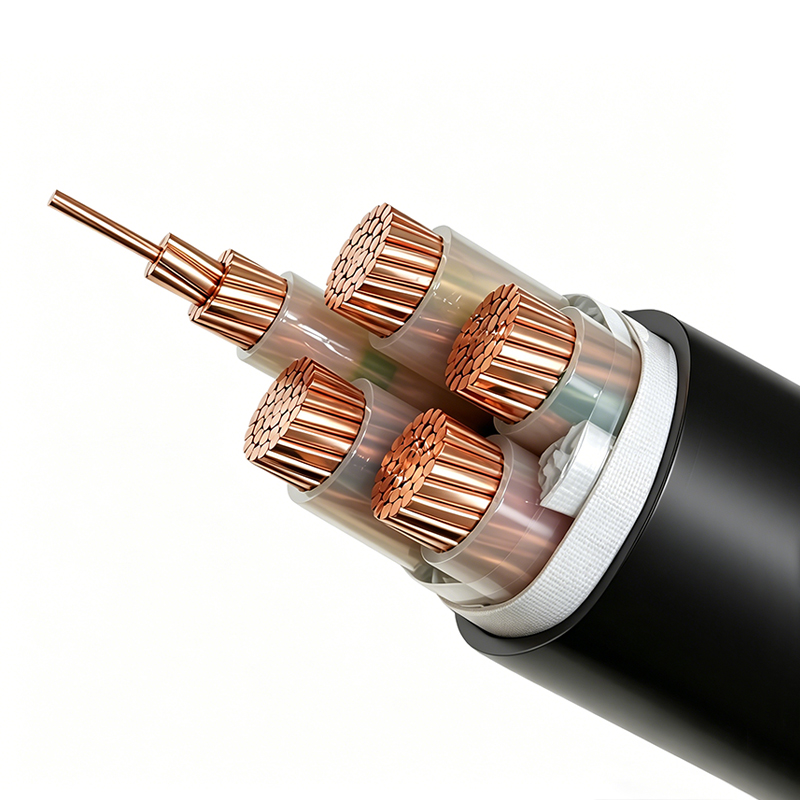
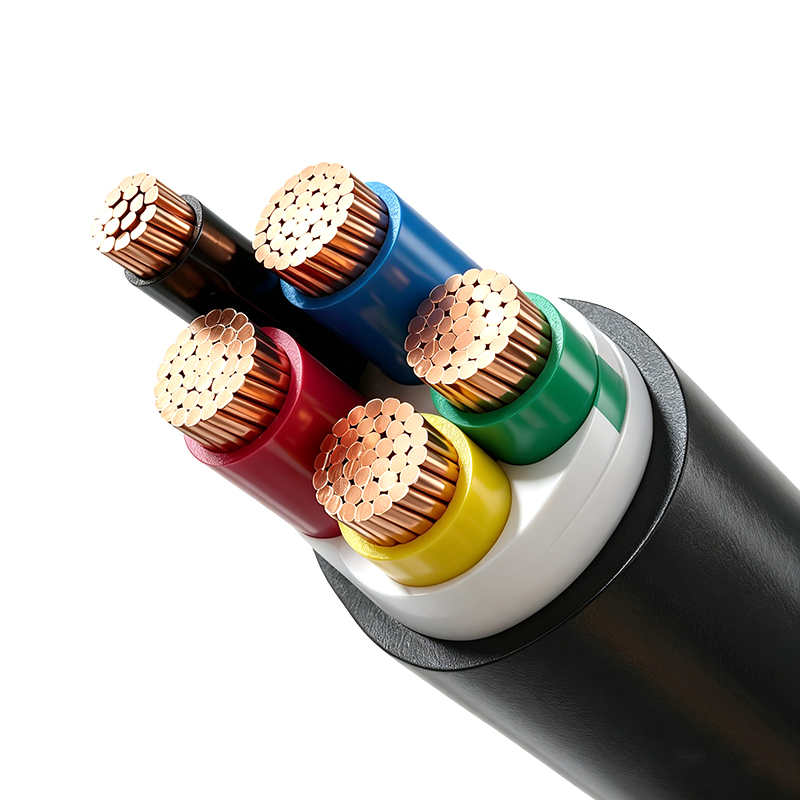
The difference between ordinary insulated wires and flame-retardant wires is that flame-retardant wires have passed flame-retardant testing or certification, while ordinary cables do not. Most ordinary insulated wires and flame-retardant wires do not have significant differences in appearance, but domestic flame-retardant wires will add ZR words to the printed content, and foreign standards, such as UL, have VW-1, CMP, CMR, and other words printed on them according to different flame retardant levels. Flame-retardant cable refers to a cable in which the sample is burned under specified test conditions, and after removing the test source, the spread of the flame is only within a limited range, and the residual flame or burn can self-extinguish within a limited time.
The fundamental characteristic is that it may be burned out and unable to operate in the event of a fire, but it can prevent the spread of the fire. Simply put, in the event of a fire in a power line, it can limit the combustion to a local area, prevent spread, protect other equipment, and avoid causing greater losses.

Copyright © Wuxi Guanghuan Cable Co., Ltd. All Rights Reserved.

