-
 Email: [email protected]
-
 Tel: +86-13606153863

 English
What is the difference between control cables and signal cables?
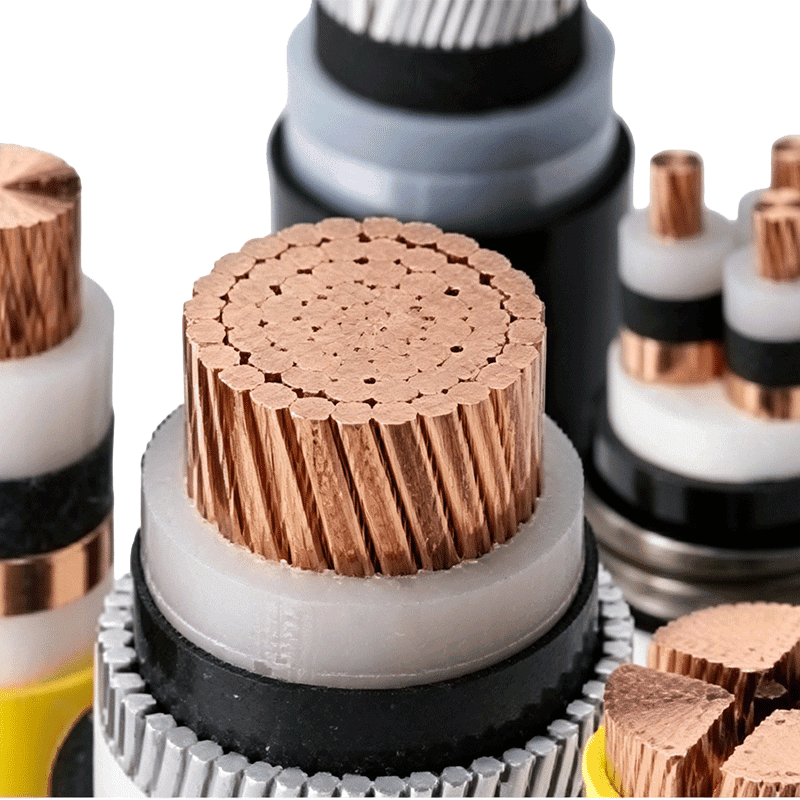
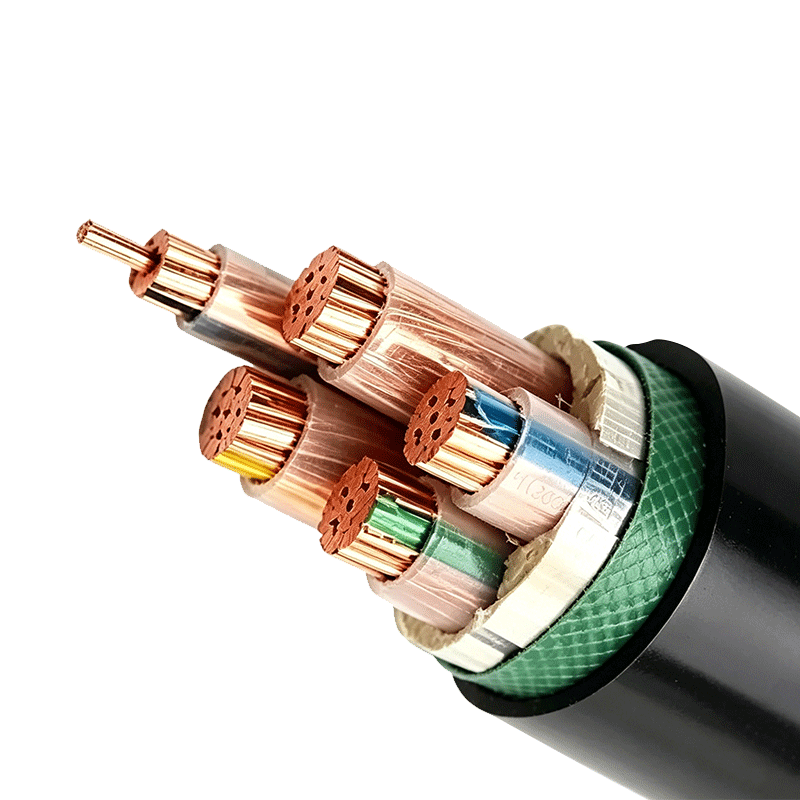
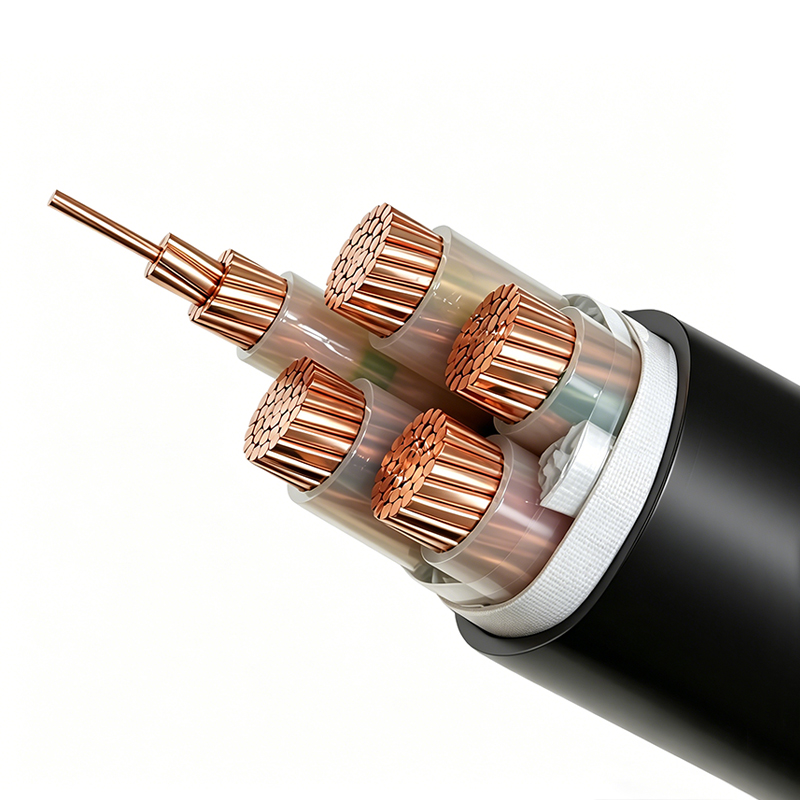
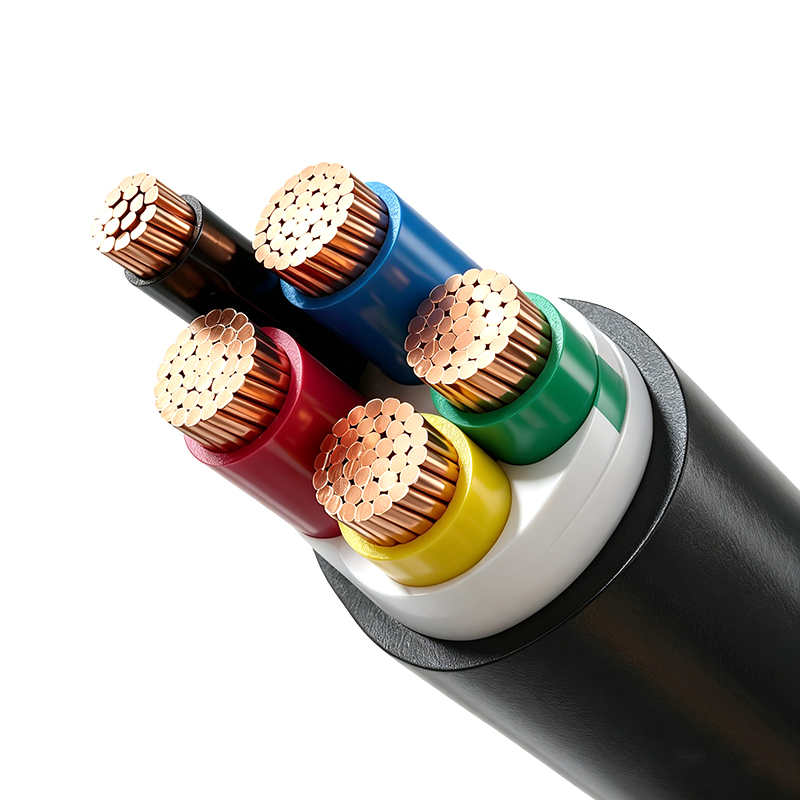
Control cables are mainly used for transmitting electrical signals and are generally unshielded. They are suitable for use in control systems of industrial and mining enterprises, energy and transportation departments, and control and protection lines for equipment with AC rated voltage below 450/750 volts. They are PVC-insulated and PVC-sheathed control cables.
Signal cables are mainly used to transmit data signals, and they are shielded to prevent external signal interference. The wires and cables used in information transmission systems mainly include local telephone cables, television cables, electronic cables, RF cables, fiber optic cables, data cables, electromagnetic wires, power communication, or other composite cables.
Characteristics of control cable usage: Rated voltage: U0; U is 450/750V. The long-term operating temperature of the conductor core is 70 ℃ and 95 ℃, and the cable laying temperature is not lower than 0 ℃. The allowable bending radius for cables is as follows: for unarmored cables, it should not be less than 6 times the outer diameter of the cable; for armored or copper tape shielded cables should not be less than 12 times the outer diameter of the cable.
Shielded flexible cable, not less than 6 times the outer diameter of the cable. Control cables generally refer to equipment and instrument power supply; Signal control, representative model: KVV, KYJV, also has other instrument lines, etc.

Copyright © Wuxi Guanghuan Cable Co., Ltd. All Rights Reserved.

