-
 Email: [email protected]
-
 Tel: +86-13606153863

 English
Measures to prevent fires in wires and cables
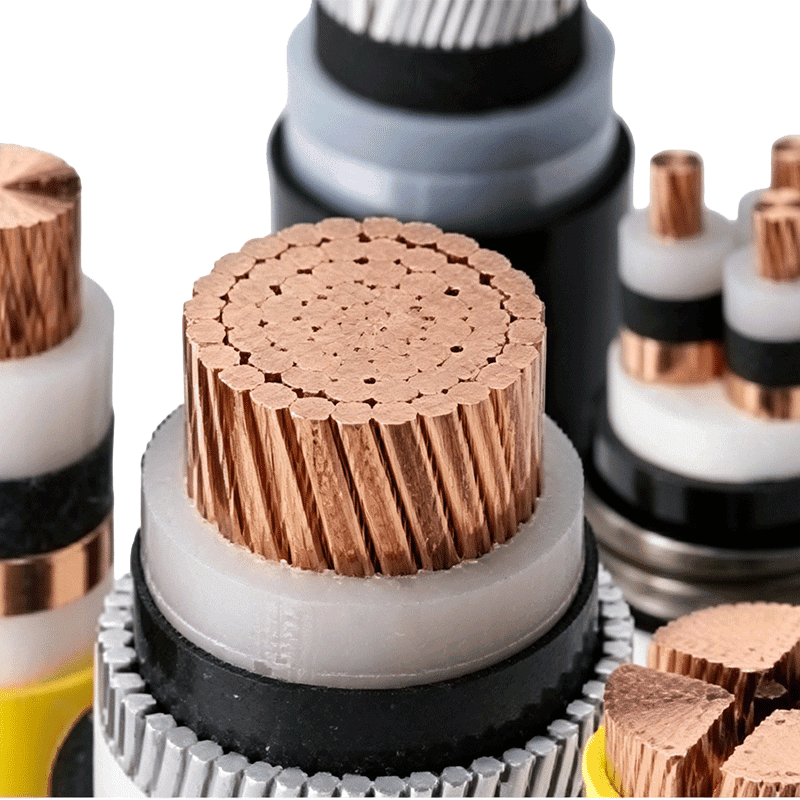
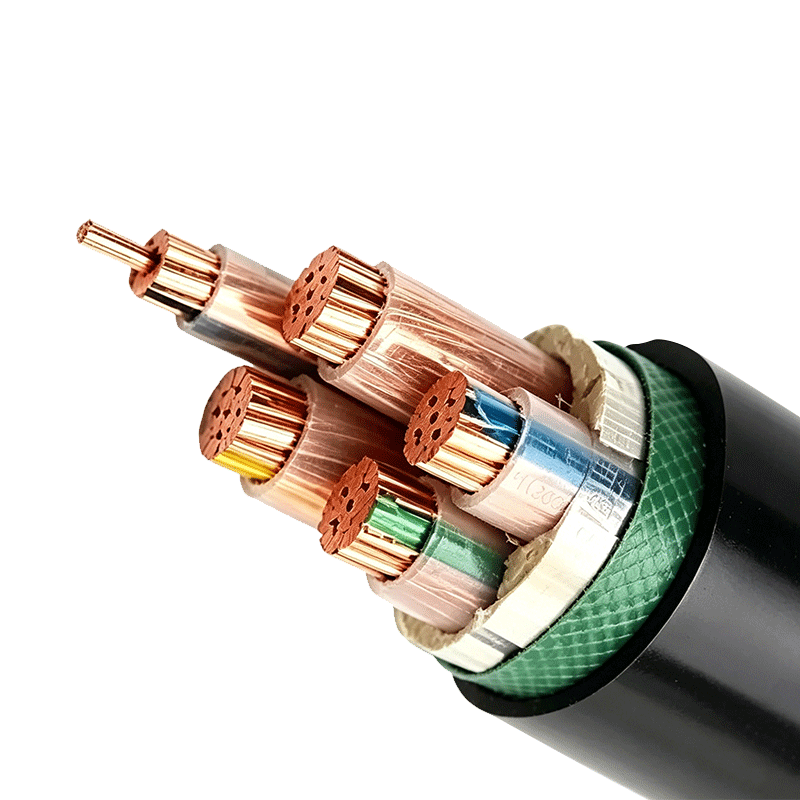
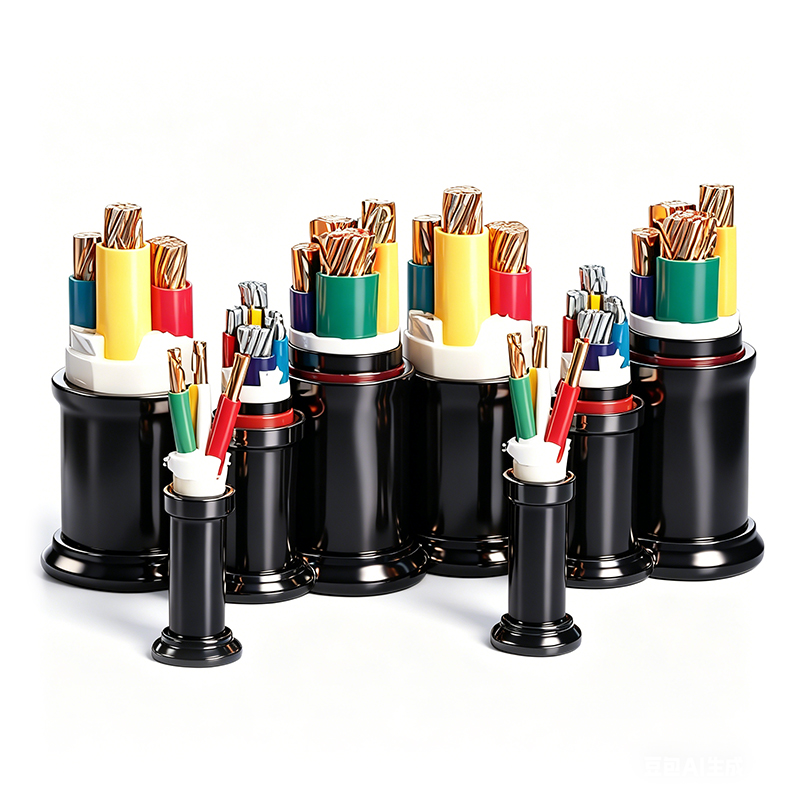
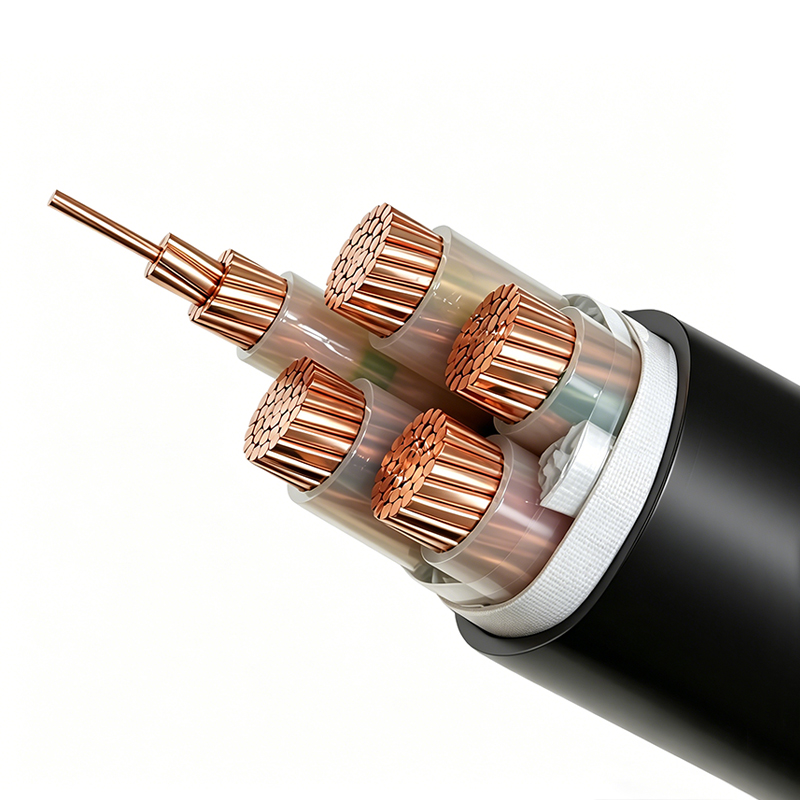
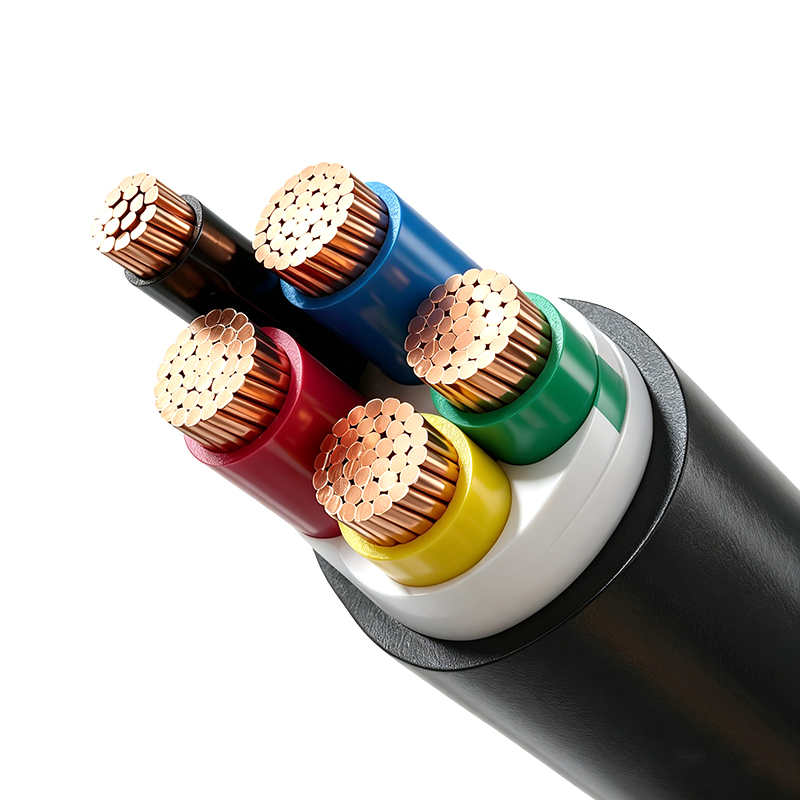
Wires and cables are wire products used to transmit electrical (magnetic) energy, information, and achieve electromagnetic energy conversion. Broadly speaking, wires and cables are also referred to as cables. Narrowly defined, cables refer to insulated cables, which can be defined as a collection of one or more insulated wire cores, as well as their respective possible cladding layers, total protective layer, and outer protective layer. Cables can also have additional uninsulated conductors.
Measures to prevent wire and cable fires:
1. Ensure construction quality, especially the production quality of cable heads, must strictly comply with regulatory requirements.
2. Strengthen cable operation monitoring to avoid cable overload operation.
3. Regularly conduct cable testing and promptly address any abnormalities found.
4. The cable trench should be kept dry to prevent the cables from getting damp, causing insulation degradation and short circuits.
5. Regularly clean the accumulated dust on the cables to prevent the dust from self-igniting and causing cable fires.
6. Strengthen the regular calibration and maintenance of cable circuit switches and protections to ensure their reliable operation.
7. When laying cables, it is necessary to maintain a sufficient distance from the heat pipe and control the cables to be no less than 0.5 meters; The power cable shall not be less than 1 meter. Control cables and power cables should be routed, layered, and arranged separately, without overlapping between layers. For parts that do not comply with regulations, flame-retardant and thermal insulation measures should be taken for cables.
8. Install fire alarm devices to promptly detect fires and prevent cable fires.
The fire and flame-retardant measures for cables include
(1) Wrap the cable with insulation and fire-resistant materials. When the surrounding area of the cable catches fire, the wrapped cable is isolated from the fire by the insulation and fire-resistant materials to prevent burning. If the cable catches fire on its own, the lack of oxygen in the wrapping body can cause the fire to extinguish on its own, preventing the fire from spreading outside the wrapping body.
(2) Seal the holes where cables pass through walls, trays, and vertical shafts tightly with refractory materials to prevent the spread and expansion of high-temperature smoke when cables catch fire.
(3) Apply fire-resistant coating on the surface of the cable.
(4) Wrap the fire-resistant parts of the cable with fire-resistant tape.
(5) Install heat-resistant fire-resistant plates between cable layers to prevent inter-layer ignition and expand the fire situation.
(6) Set up segmented partition walls and fire doors in cable channels to prevent cable ignition and expand the fire situation.
(7) Equip with necessary firefighting equipment and facilities. The fire of overhead cable can be put out by common fire extinguishing equipment, but automatic or remote control fire extinguishing devices, such as 1301 fire extinguishing device, water spray fire extinguishing device, should be installed at cable interlayer, shaft, trench, and tunnel.
The extinguishing of cable fires: When a cable fire occurs, the alarm should be immediately triggered, the system and direction of the cable on fire should be identified, the operating mode of the cable on fire should be adjusted as soon as possible, and the power supply of the cable on fire should be cut off to exit operation. When cables burn, toxic gases are produced, so special attention should be paid to protection when extinguishing cable fires.

Copyright © Wuxi Guanghuan Cable Co., Ltd. All Rights Reserved.

