-
 Email: [email protected]
-
 Tel: +86-13606153863

 English
Two minutes to know the difference between fire-resistant cables and flame-retardant cables
With the improvement of national awareness, flame-retardant and fire-resistant cables are increasingly widely used in our lives. Many people cannot distinguish between the concepts of the two. Although they are both fire-resistant cables, the difference is still significant. Let me explain it to you.
Flame-retardant cable (ZR): It blocks and delays the spread of flames along the cable, preventing the fire from expanding. Due to its low cost, it is a widely used cable variety in fire-resistant cables. The cable may be burnt out and unable to operate in the event of a fire, but it can prevent the spread of the fire and avoid causing greater losses.
Flame-retardant cables maintain the electrical and physicochemical properties of ordinary cables while having self-extinguishing properties, which means they are not easy to burn. When the cable catches fire due to reasons such as self-ignition or external ignition, the cable will no longer continue to burn after the fire is extinguished, or the combustion time will be very short (within 60 minutes), or the flame extension length will be very short.
Fire-resistant cable (NH): It can maintain normal operation of the line for a certain period of time under flame combustion, and this type of cable has a certain power supply capacity in flames for a certain period of time. Simply put, in case of a fire, the cable will not ignite immediately, and the circuit is relatively reliable.
The ability of fire-resistant cables to continue working (transmitting current and signals) in the event of a fire is not included in the assessment of whether they can sustain combustion. Flame-retardant cables quickly stop working in the event of a fire, and their function is to be flame-retardant and capable of self-extinguishing without affecting; And fire-resistant cables can maintain normal operation for 180 minutes in flame combustion at 750-800 ℃.
The main difference between the two is that fire-resistant cables can maintain a normal power supply for a period of time during a fire, while flame-retardant cables do not have this characteristic. This characteristic determines that fire-resistant cables play an important role in modern urban and industrial buildings.
In general, fire-resistant cables can replace flame-retardant cables, but flame-retardant cables cannot replace fire-resistant cables. Flame-retardant cables are suitable for places with high requirements for flame retardancy, such as concentrated personnel and low air density. Fire-resistant cables are suitable for all circuits that need to maintain normal operation during a fire, such as fire protection systems, emergency lighting systems, life-saving systems, alarms, and important monitoring circuits in industrial and civil buildings.
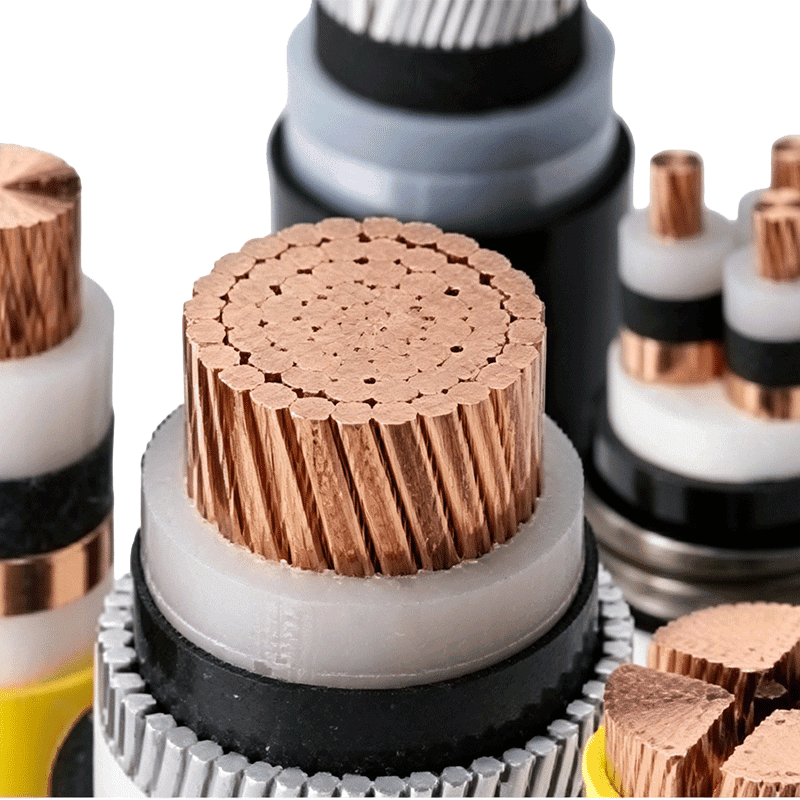
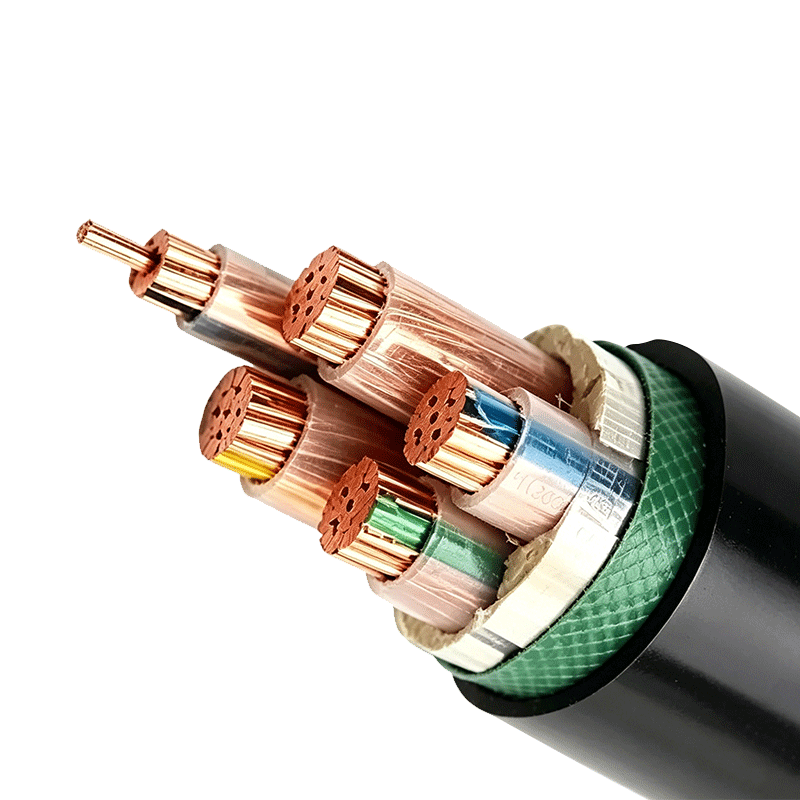
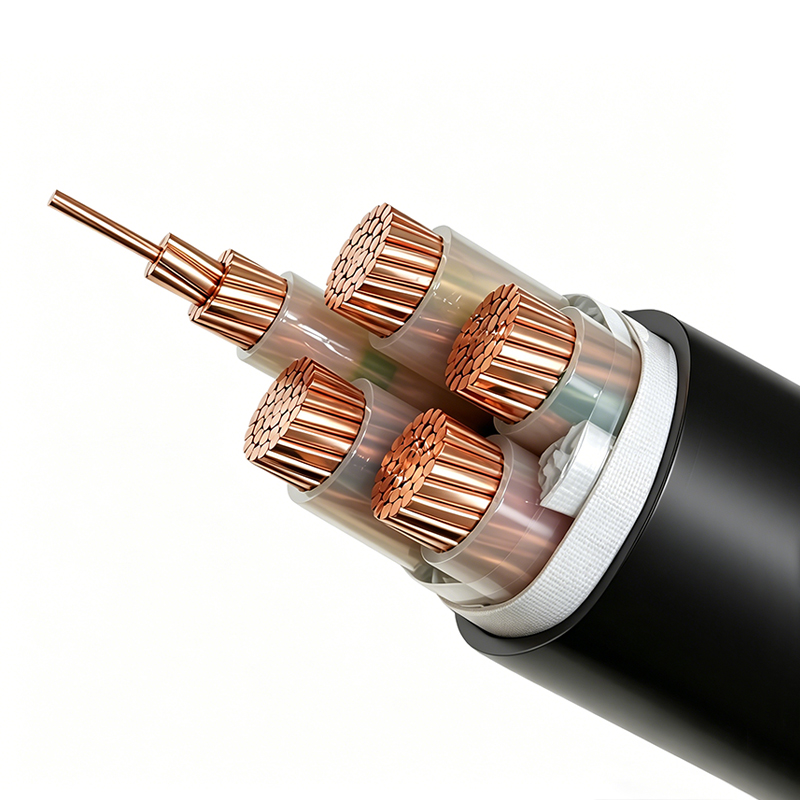
In addition, everyone should pay attention to the distinction between flame-retardant and fire-resistant cables, as well as ordinary and halogen-free cables. Therefore, when purchasing, it is important to clarify whether it is a halogen-free cable, such as halogen-free low smoke flame-retardant and fire-resistant copper core cross-linked polyethylene insulated wires that do not emit a large amount of smoke during combustion. When a fire occurs, the spread speed is slow, the smoke concentration is low, the visibility is high, the release of harmful gases is small, and it is easy for personnel to evacuate.

Copyright © Wuxi Guanghuan Cable Co., Ltd. All Rights Reserved.

